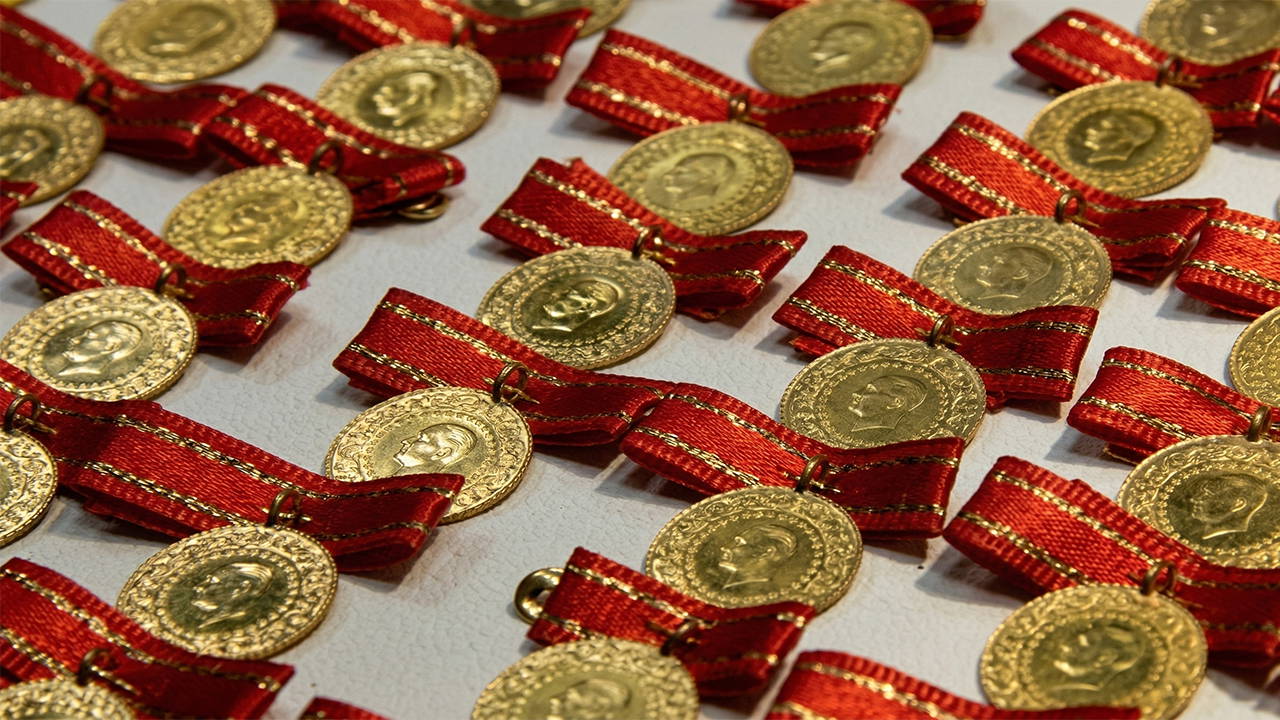
On a recent trading day, financial markets across India registered a notable shift in sentiment regarding precious metals. The trading floor saw gold and silver prices decline significantly, marking a pause in the upward momentum that had characterized the preceding weeks. For investors holding positions or planning purchases, this movement offered a clear signal of changing market dynamics just before the cultural peak known as Diwali.

The immediate reaction from traders was swift. Reports indicated that gold prices fell by 0.59% during the session. This percentage drop represented a meaningful adjustment for those tracking the asset's performance against inflation benchmarks. Simultaneously, silver prices dropped by 3,700 rupees, reflecting the broader pressures on the commodity market.
This downturn did not occur in isolation; it reflected broader pressures emanating from global financial centers. A primary driver identified in the analysis was the expectation of higher interest rates in the United States. When the Federal Reserve signals tighter monetary policy, the cost of borrowing rises, which often draws capital away from tangible assets like gold toward more yield-bearing investments. Consequently, the value of the currency strengthens relative to the dollar-denominated standard, exerting downward pressure on the price of commodities traded globally.
This created a divergence between the cultural calendar and the economic calendar, leaving investors to weigh the festive demand against the macroeconomic headwinds.
In India, the impact was felt through the lens of local exchanges. The Multi Commodity Exchange (MCX) in New Delhi served as the central hub where these fluctuations were priced into futures contracts. As the MCX processed the data, it became evident that the domestic market was absorbing the external shock. Traders in New Delhi watched the tickers closely, noting how the Indian rupee's strength influenced the conversion rates used to calculate the final loss figures. The exchange provided the liquidity necessary to absorb the sell-off without causing a panic that would have destabilized the broader economy.
The timing of the decline added a layer of complexity to the narrative. With Diwali approaching, there is typically a surge in demand for gold, particularly for traditional jewelry and investment purposes. However, the fall occurred before this demand spike could fully materialize. Instead of fueling a rally, the anticipation of rising US rates dampened enthusiasm. This created a divergence between the cultural calendar and the economic calendar, leaving investors to weigh the festive demand against the macroeconomic headwinds.
Historically, these support levels provide context for where the market stands. While specific historical highs are referenced in the broader analysis, the current trajectory suggests a test of resilience. The support levels mentioned indicate a baseline where buyers step in to prevent further erosion of value. If the price holds near these supports, the decline may be viewed as a temporary correction rather than a structural break. Conversely, if the trend continues, the implications for long-term holders become significant.
As the trading day closed, the focus shifted to the next week. The Federal Reserve remains the anchor of the narrative, with its decisions shaping the environment for months to come. For now, the numbers tell a story of caution. Gold fell 0.59%, and silver fell 3,700 rupees, as the broader market adjusted to the new reality of potential rate hikes. The situation remains fluid, but the direction is clearly set by the interplay between global monetary policy and local market conditions.

Ultimately, the move underscores the interconnectedness of financial systems. What happens in Washington echoes in New Delhi, influencing everything from the price of a gram of gold to the savings accounts of ordinary citizens. On a recent date, the lesson was clear: even in a market driven by tradition and culture, the logic of interest rates ultimately dictates the price of wealth.