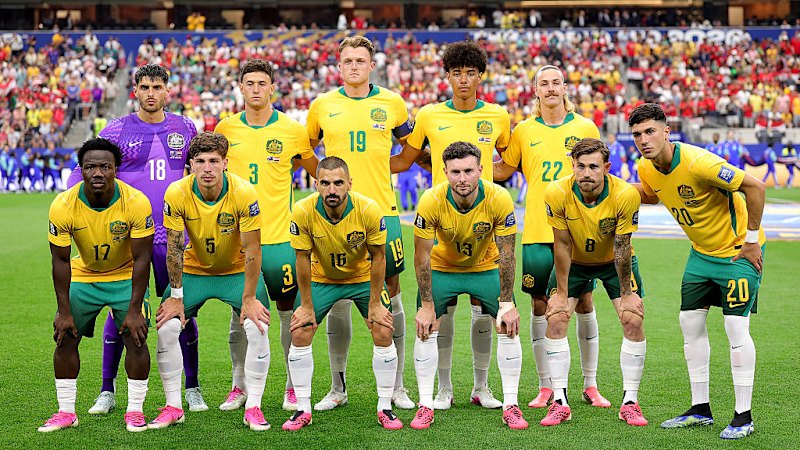
The excitement surrounding the Socceroos' upcoming match against Jordan, scheduled for November 17 in Amman, has been overshadowed by a growing sense of unease. What should have been a straightforward squad announcement has turned into a complex dilemma for Football Australia. On November 6, the organization announced a delay in revealing the team roster, a decision driven by overwhelming player opposition to the trip. This unexpected turn of events highlights the delicate balance between sporting commitments and player safety, a concern that resonates deeply within the world of professional sports.

The players, who are the heart of any national team, have expressed significant apprehension regarding the security situation in Jordan. Their worries are not merely personal; they reflect a broader sentiment among athletes who are increasingly aware of the geopolitical realities that can affect their safety while traveling for international matches. Professional Footballers Australia, the players' union, has been vocal in its criticism of the planned trip, emphasizing that the players' well-being must take precedence over sporting obligations. This critical stance underscores the evolving nature of athlete advocacy, where players are not just participants in the game but also stakeholders in their own safety and welfare.
In response to the mounting concerns, Football Australia is now faced with a challenging decision. The organization is considering various options, including relocating the match or postponing the squad announcement to allow for further discussions with players. This reflects a shift in how sports organizations are navigating player concerns, recognizing that the voices of athletes carry significant weight in decision-making processes. The situation is a reminder that the landscape of international sports is not just about competition but also about the safety and comfort of those who play the game.
As international travel becomes increasingly scrutinized, the intersection of sports and politics is more pronounced than ever.
Despite the players' opposition, the Jordan Football Association remains steadfast in its commitment to hosting the match. In a statement released on the same day as the squad announcement delay, they affirmed that the match against the Socceroos is still scheduled to take place without any changes. This position illustrates the complexities of international sports diplomacy, where local organizers may prioritize the event for national pride and economic reasons, while visiting teams must weigh safety concerns against the desire to compete.
Adding to the tension, Australian authorities have advised citizens to reconsider their need to travel to Jordan, citing security concerns. This advisory serves as a stark reminder of the geopolitical context in which sports operate. For the Socceroos, the implications of this advice are significant. It not only impacts the players' willingness to travel but also raises questions about the broader responsibilities of sports organizations in ensuring the safety of their athletes. As international travel becomes increasingly scrutinized, the intersection of sports and politics is more pronounced than ever.
As the situation unfolds, it presents an opportunity for reflection on the role of athletes in shaping the conversation around safety and security in sports. The Socceroos' predicament is emblematic of a larger trend where players are taking a stand on issues that affect their lives beyond the pitch. This moment could serve as a catalyst for change within the football community, prompting a reevaluation of how matches are scheduled and how player welfare is prioritized in the decision-making process.
As of now, the future of the Socceroos' match against Jordan hangs in the balance. Football Australia must navigate the delicate terrain of player safety, organizational commitments, and international relations. The outcome of this situation will likely set a precedent for how similar issues are handled in the future, not just in Australian football but across the global sports landscape. As the November 17 date approaches, all eyes will be on Football Australia and the Socceroos, waiting to see how they will respond to the challenges at hand. The stakes are high, and the decisions made in the coming days could resonate far beyond the realm of football, influencing the broader conversation about athlete safety and international sporting events.
