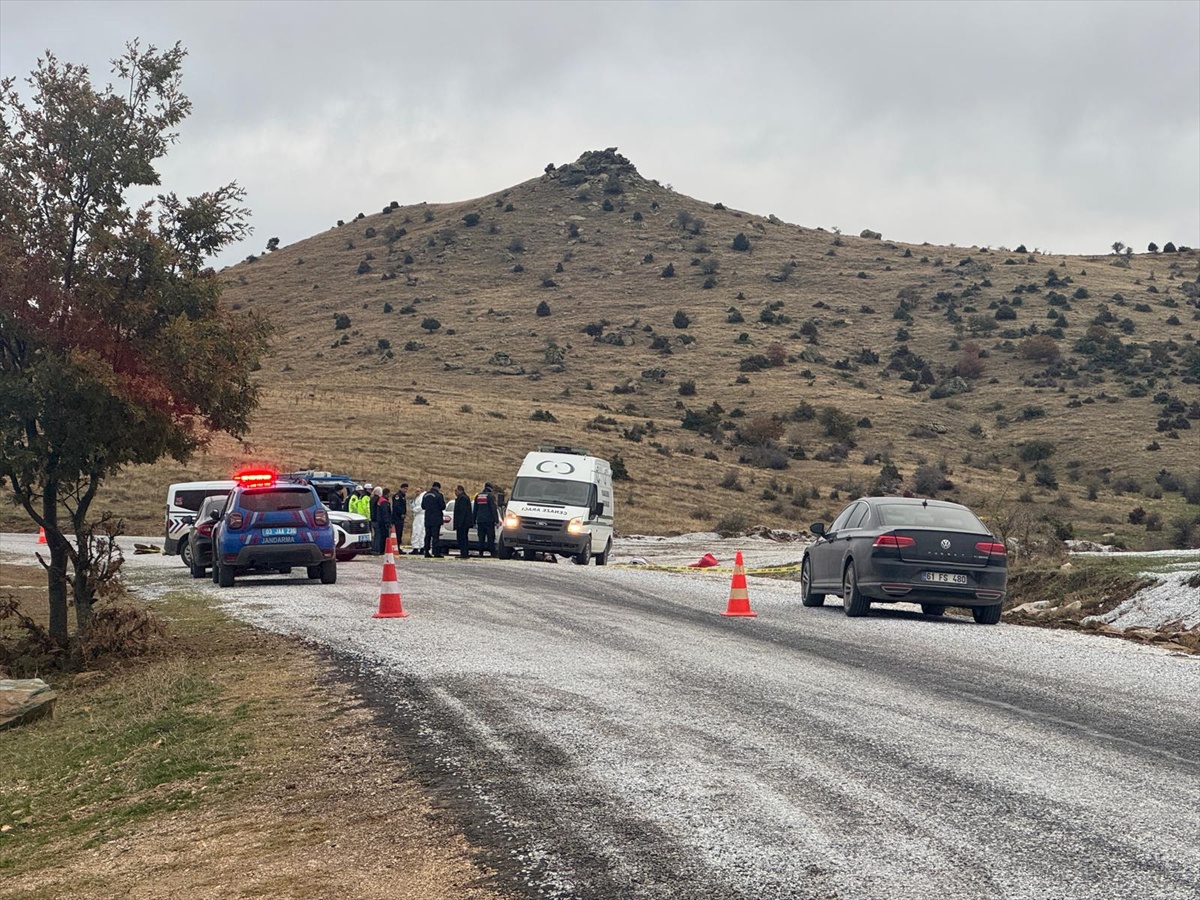
In the small district of İhsaniye, a suburb of Afyonkarahisar in central Turkey, the rhythm of daily life was shattered. The incident began as armed attacks that culminated in a scene of staggering loss: eight people were found dead and one more was seriously injured. The victims were discovered in three separate cars, a detail that underscores the chaotic and indiscriminate nature of the assault. As news of the tragedy spread, the initial shock quickly gave way to the grim task of accounting for who was lost. Among the deceased were two female teachers, a fact that amplified the sense of tragedy, as these individuals represented not just lives cut short, but the future potential of the students they guided. The discovery of the bodies in the vehicles provided the first concrete evidence of the attacker’s path, painting a picture of a predator moving through a quiet community with lethal intent.
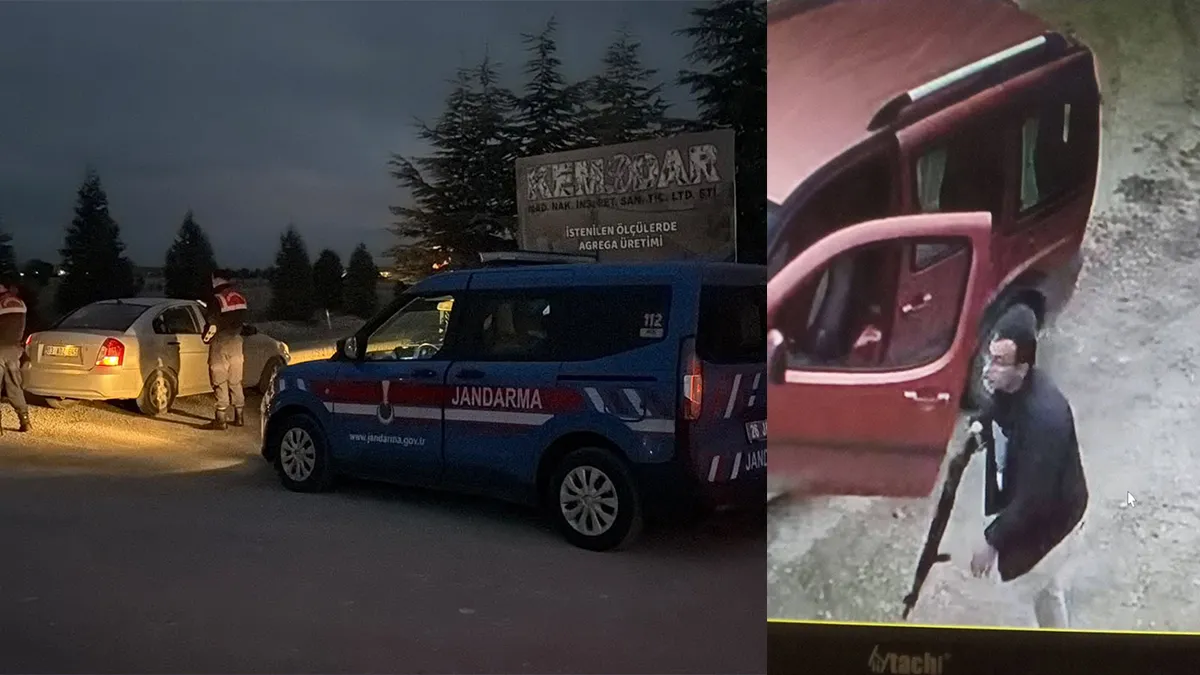
The details of the attack, as confirmed by investigators, reveal a strikingly brutal and indiscriminate approach. The suspect did not target specific individuals but instead attempted to stop vehicles at random, turning a public road into a killing ground. Witnesses and forensic evidence pointed to the attacker raining down bullets on those in their cars, a pattern that left no room for escape. This method of attack, involving the stopping of civilian vehicles and the subsequent discharge of firearms, indicates a level of premeditation and disregard for the safety of bystanders. The vehicles in question were not just containers for victims; they were the primary sites of the carnage, with the bodies of all eight deceased ultimately located within them. The one survivor, listed as seriously injured, adds another layer to the narrative of survival in a situation where others were not so fortunate. The randomness of the targeting suggests the suspect was operating with a singular, volatile mindset, seeking chaos rather than specific retribution against a known enemy.
As the sirens began to wail and security forces mobilized, the suspect made their exit. Investigators quickly identified the getaway vehicle as a light commercial vehicle, painted in a distinctive red color. This specific detail—a small, utilitarian vehicle that stands out in a sea of sedans and SUVs—became the focal point of the immediate search. The use of a commercial van or truck, rather than a personal car, may have been a calculated choice to blend in with local logistics or to offer quick transport away from the scene. The suspect fled the area, leaving behind the devastation in İhsaniye and setting off a massive manhunt. The red vehicle became a beacon for police patrols and a critical identifier for any citizen who might have spotted the driver, transforming a localized crime into a region-wide pursuit. The speed of the escape was such that authorities were forced to shift their operational focus from containment to interception, realizing that the danger had not been neutralized on the road.
The establishment of a central investigative body was crucial to piecing together the timeline and identifying the motive behind such a heinous act.
In the wake of the violence, the Afyonkarahisar Chief Public Prosecutor's Office took command of the investigation. The Vali, or governor, of Afyonkarahisar, addressed the public to assure them that the incident was being handled with the utmost seriousness and coordination. The establishment of a central investigative body was crucial to piecing together the timeline and identifying the motive behind such a heinous act. The authorities emphasized that the investigation was not merely a local police matter but involved multiple relevant institutions working in tandem. This coordinated effort was necessary because the complexity of the crime—an armed attack resulting in mass casualties—demanded a comprehensive approach. The prosecutor’s office was tasked with the legal and forensic dimensions, ensuring that every detail from the scene, including the vehicles and the injuries, was cataloged and preserved. The involvement of high-level provincial administration signaled to the public that the state was fully committed to bringing the perpetrator to justice, creating a structured framework for the search and the subsequent legal proceedings.
Amid the procedural details of the investigation and the logistics of the manhunt, the human element of the tragedy remained front and center. The two teachers among the victims added a profound dimension to the grief. In a society that highly values educators, their loss was not just statistical; it was a symbolic blow to the community’s future. These women were part of the social fabric of İhsaniye, interacting with families and students daily. Their deaths meant that the classrooms they would have entered were now silent, and the guidance they would have provided was now absent. The fact that two of the eight victims were female teachers was specifically highlighted in early reporting, serving as a marker of the specific identities that were stolen by the attack. The serious injury to the eighth individual represented the narrow margin between death and life, a survivor who would likely carry the trauma of the experience for the rest of their life. The community of İhsaniye, a small district, found its entire population affected by the loss of these specific individuals, turning a localized incident into a regional mourning.
The pursuit of the suspect did not end with the discovery of the bodies or the identification of the vehicle. Security forces expanded their search efforts, canvassing the surrounding areas and engaging with local residents to gather any possible leads. The community, still reeling from the tragedy, rallied behind the authorities, offering support and information that could aid in the apprehension of the suspect. The hope for justice and the safety of the community remained the driving force behind the ongoing operations, as the region held its breath in anticipation of a resolution to this senseless act of violence.