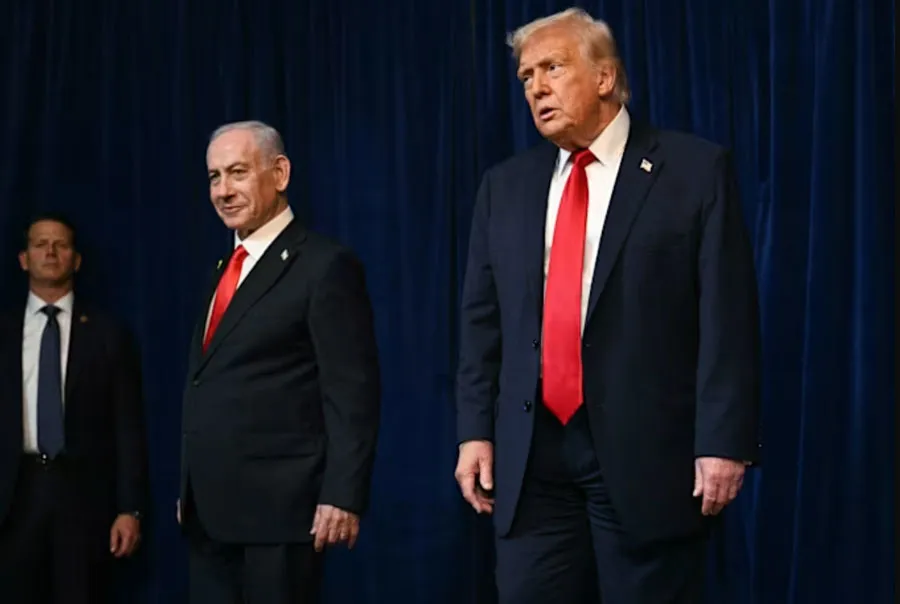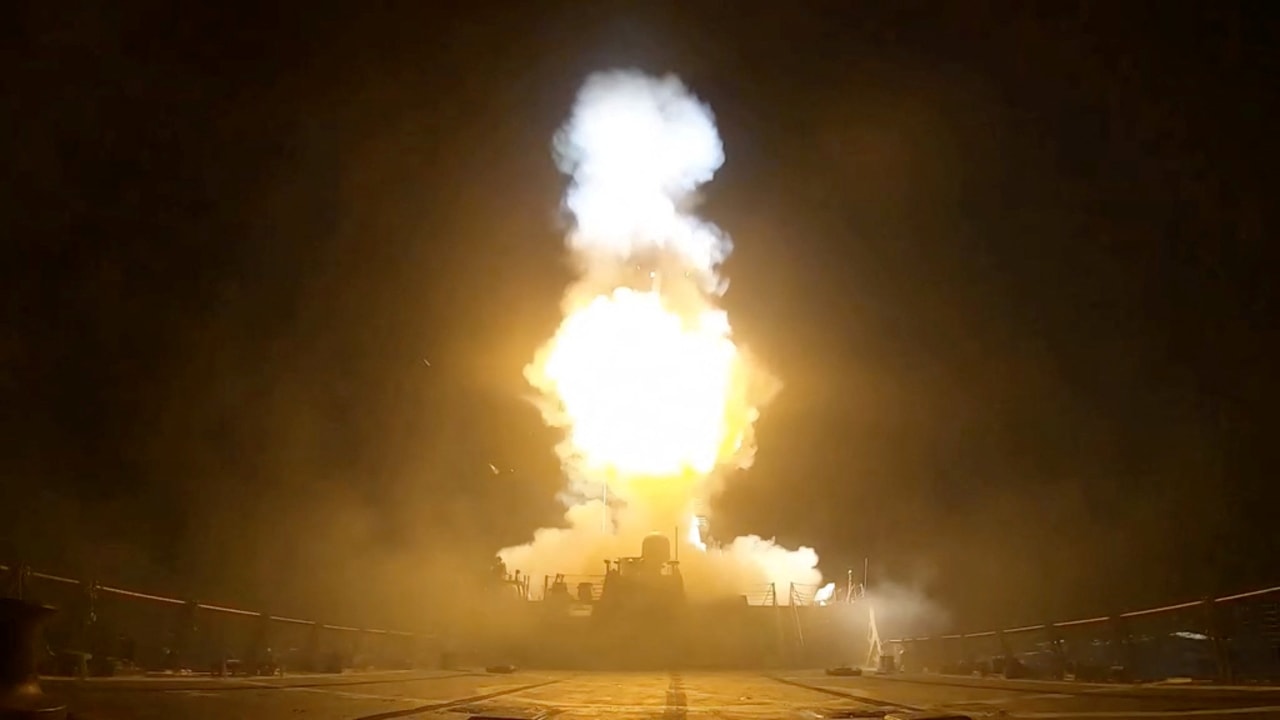
Reports suggested the Israeli Defense Forces (IDF) were planning to strike Iran on October 10. However, the IDF was not actually planning a strike on that specific date. The confusion stemmed from the fact that while the Israeli government had prepared plans for a military operation, the immediate execution on the 10th was not scheduled. This distinction is crucial, as the broader context involved a standoff between Israeli and US leadership regarding the timing of any potential conflict.
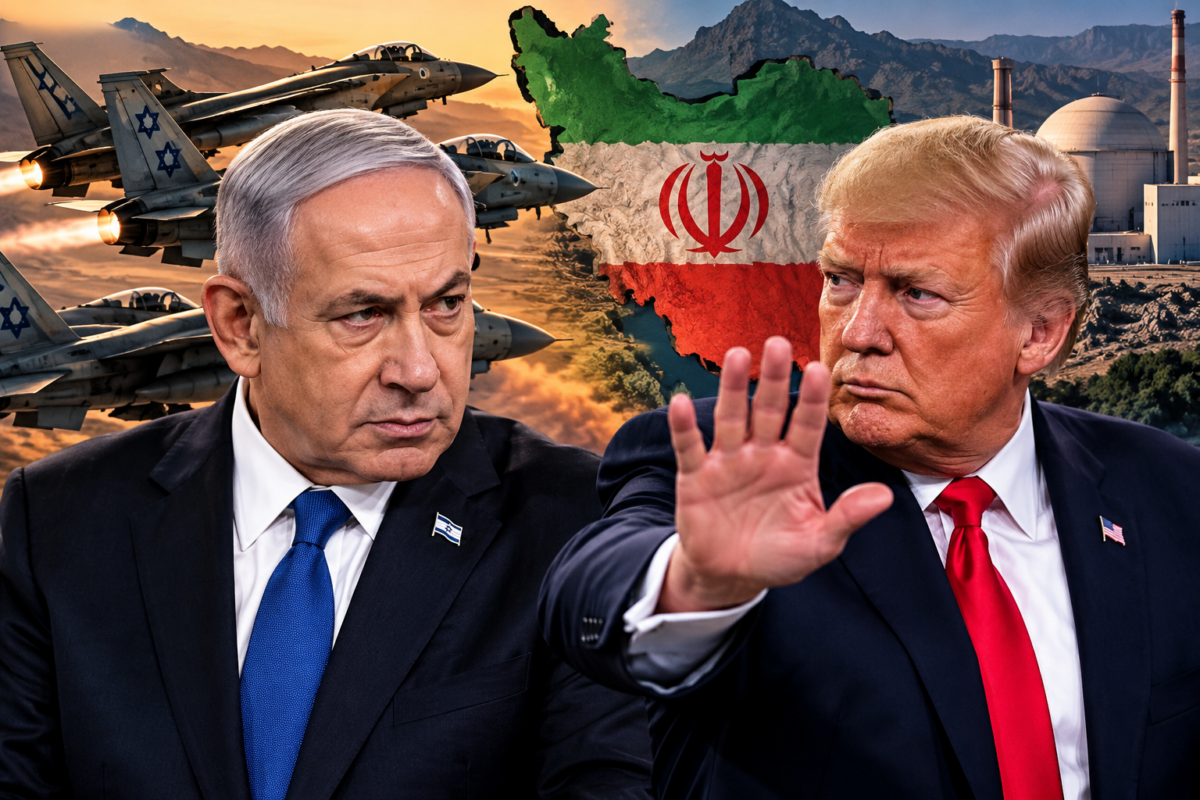
US President Donald Trump opposed the resumption of large-scale Israeli strikes on Iran. His opposition was driven by a desire to avoid reigniting conflict in the region ahead of the November 3 US midterm elections. Trump rejected any attacks before the midterms, stating that the political and economic implications of a new war were too significant to ignore during a critical electoral period. This stance effectively vetoed plans that had been under consideration.
Prime Minister Benjamin Netanyahu campaigned to resume large-scale strikes, pressing for attacks on Iran. He believed that a multi-day bombing campaign was necessary to address threats posed by the Iranian regime. Netanyahu had ordered the IDF to prepare for such a large-scale military strike, targeting civilian infrastructure, nuclear facilities, and regime targets. However, the lack of US support created a significant obstacle to his plans.
The IDF had prepared several targets for a potential operation, including civilian infrastructure, nuclear facilities, and regime targets.
US Defense Secretary Pete Hegseth met with Netanyahu in a covert meeting at Israel's Ovda air base. The discussion focused primarily on Iran, with Netanyahu advocating for the resumption of hostilities. Despite the high-level engagement, the meeting did not result in immediate action because Trump remained opposed to reopening the conflict. The covert nature of the meeting highlighted the sensitive and delicate nature of the diplomatic maneuvering between the two allies.

🚨 BREAKING via the Financial Times: Israel was set for a massive, multi-day bombing campaign against Iran this month—but President Trump stopped it. Here is what the FT is reporting on the canceled strike: 🎯 THE PLAN: The IDF was prepared to strike on the weekend of Oct. 10. Targets included nuclear facilities, electricity plants, and regime infrastructure. It would have dwarfed February's operations. 🛑 THE HALT: President Trump reportedly opposed restarting the war before the U.S. midterms on Nov. 3. The White House has since confirmed no U.S. attack on Iran will happen before the midterms. 🇮🇱 THE PRESSURE: Netanyahu is still pushing to resume large-scale strikes as he faces a tough Oct. 27 election with a weakened coalition. All IDF troop leave has been canceled through the vote. ⚠️ WHAT'S NEXT: Will Washington join a future strike? It remains unclear, but sources warn a restart in the coming weeks is "not an unreasonable scenario."
The IDF had prepared several targets for a potential operation, including civilian infrastructure, nuclear facilities, and regime targets. These preparations were part of a strategy to respond to Iranian actions. However, with Trump blocking the operation, the IDF was not planning to strike on October 10. The option of military action remained on the table, but it was put on hold due to the US veto and the upcoming elections.
Tensions between Israel and the US over potential military actions against Iran were heightened by concerns about regional stability. Iran had previously retaliated against US and Israeli attacks, causing disruptions in oil exports through the Strait of Hormuz. Analysts noted that while Iran was in poor economic and military condition, the risk of escalation remained a significant concern. The US efforts to blockade Iranian ports while facilitating Gulf oil exports were succeeding, but a new conflict could undermine these gains.
As the midterm elections approached, the situation remained unresolved. The IDF was not planning a strike on October 10, and Trump had blocked the operation to avoid political fallout. Netanyahu’s plans for a multi-day bombing campaign were on hold, pending a shift in US policy post-elections. The region remained on high alert, with the potential for a new conflict looming, but the immediate threat of a strike on October 10 had been defused.