
In the high-stakes theater of international diplomacy, silence is often as meaningful as a formal statement. For months, the nations of Europe have operated under a tacit, ironclad agreement: when it comes to the Kremlin, the continent speaks with one voice. That consensus was shattered on October 27, 2026, when Finnish President Alexander Stubb and Norwegian Prime Minister Jonas Gahr Støre initiated a phone conversation with Russian President Vladimir Putin. By October 27, the ripples of that decision had turned into a full-blown diplomatic tremor, exposing deep-seated anxieties about how the West should engage with a leader currently waging a hybrid war against its neighbors.
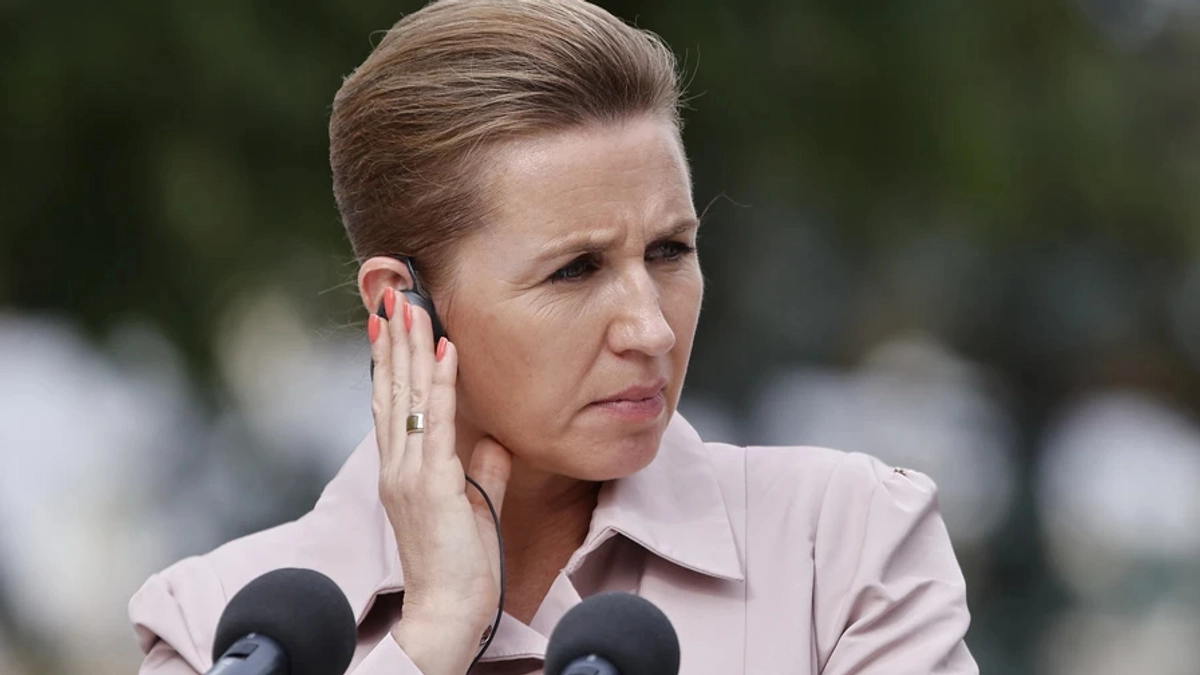
Among the most vocal critics of this outreach is Danish Prime Minister Mette Frederiksen. For Frederiksen, the issue is not merely the content of the discussion, but the process itself. She has made her position clear: the initiative taken by Stubb and Støre was entirely independent, conducted without the consultation or consent of their European partners. In the eyes of the Danish leadership, this move represents a dangerous deviation from the collective strategy that has defined the European response to the ongoing conflict in Ukraine.
Frederiksen’s skepticism is rooted in a fundamental disagreement regarding the current state of the Kremlin’s intentions. While the Finnish and Norwegian leaders utilized their time on the line with Putin to highlight the urgent need for de-escalation and to explore potential diplomatic avenues for resolving the conflict in Ukraine, the Danish Prime Minister sees no evidence that such efforts are met with sincerity. She has publicly stated that she sees no signs that Russia desires peace with Europe, suggesting that independent overtures may serve only to undermine the collective leverage of the European Union and NATO.
As the dust settles on these October conversations, the fallout serves as a stark reminder of the fragility of the European coalition.
For observers of European security, the incident highlights a recurring vulnerability: the tension between national sovereignty and the necessity of a bloc-wide strategy. By engaging in a bilateral dialogue on a matter of continental security, Stubb and Støre have inadvertently provided the Kremlin with an opportunity to frame the European response as fragmented. When the Russian leadership can point to divisions within the ranks of its adversaries, it weakens the diplomatic pressure that the EU and NATO rely on to maintain their stance against the ongoing aggression in Ukraine.
As the dust settles on these October conversations, the fallout serves as a stark reminder of the fragility of the European coalition. The incident has forced a difficult conversation about the boundaries of independent diplomacy. For leaders like Mette Frederiksen, the path forward remains unchanged: the only effective response to a hybrid war is a unified one. Whether this episode will lead to a more disciplined approach to Moscow or further fray the ties between European capitals remains the central question facing the continent as it navigates an increasingly volatile geopolitical landscape.