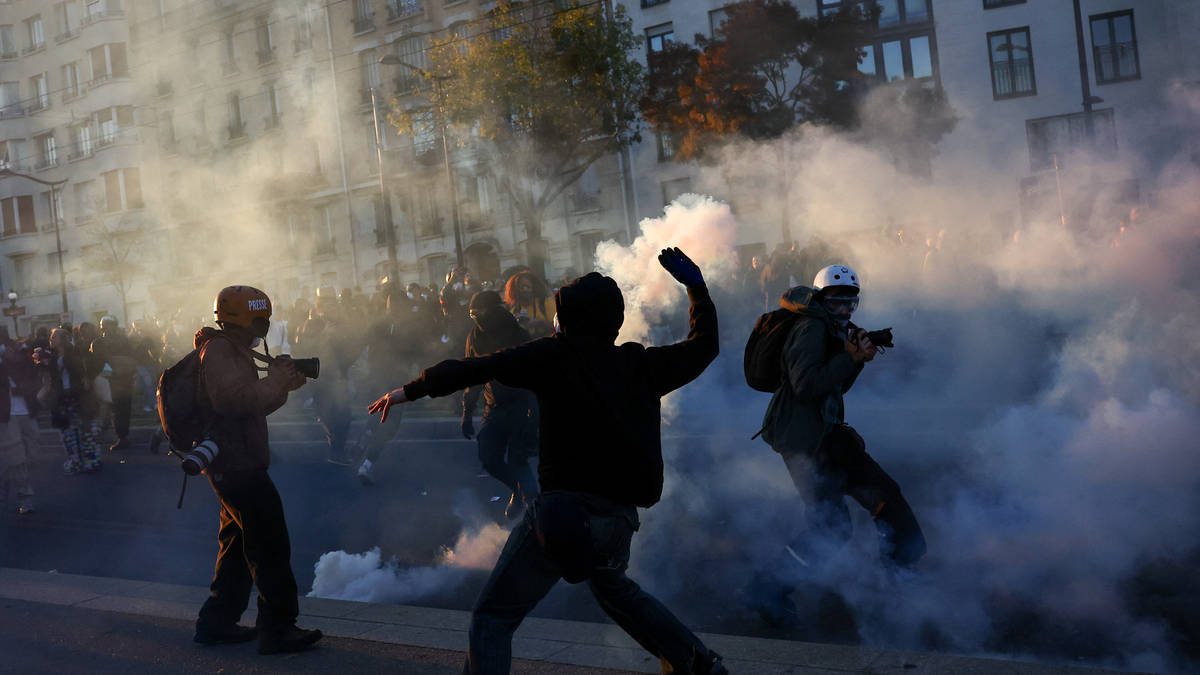
On October 31, 2026, the streets of France became a theater of deep-seated frustration. What began as a series of demonstrations against the escalating cost of living and perceived police violence transformed into a widespread display of civic unrest. From the historic boulevards of Paris to the coastal stretches of Marseille, the atmosphere was charged with a sense of urgency that has come to define the current political climate in the country.
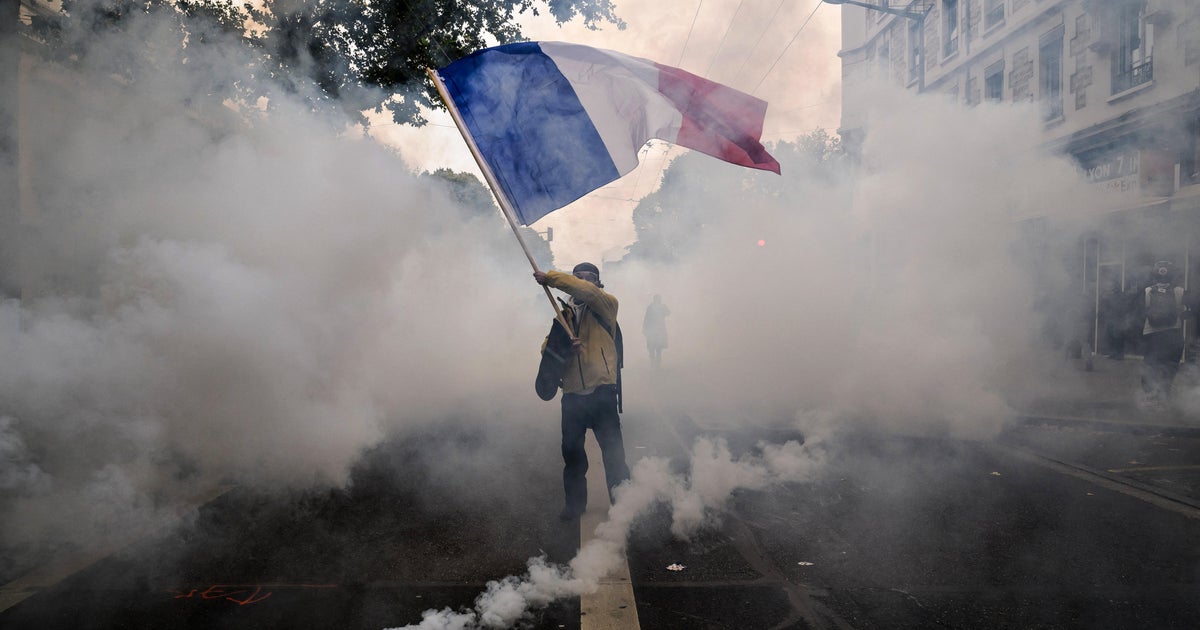
This was not a singular event, but a synchronized pulse of discontent felt across the geography of France. The grievances driving the crowds are multifaceted, rooted in the daily struggles of citizens facing rising costs and a growing dissatisfaction with public services and the state of education. As students and various social groups took to the streets, the movement highlighted a widening gap between the lived experience of the populace and the stability the government seeks to maintain.
While the movement was nationwide, the friction was most palpable in several key urban centers. In cities like Lyon, Grenoble, Marseille, Toulouse, Rennes, and Nantes, the demonstrations moved beyond mere marches. In these locations, the tension between protesters and law enforcement reached a breaking point, leading to reported clashes.
To understand the magnitude of this unrest, one must look at the numbers that define the movement.
In Paris, the heart of the nation, the scale of the mobilization was significant, with approximately 70,000 people participating in the demonstrations. This concentration of people in the capital serves as a microcosm for the broader national sentiment, where the density of the crowd often dictates the intensity of the interaction with the state. Across the country, the sheer volume of the movement was immense, with an estimated 320,000 people rallying nationwide to voice their discontent.
As the protests intensified, the response from the state became increasingly visible. In several cities, police forces deployed tear gas to manage the crowds and disperse groups where clashes were reported. The use of such measures often serves as a flashpoint in itself, fueling the very anger regarding police violence that many protesters have come to the streets to contest.
In response to the threat of violence, the rhythm of urban life shifted. Shopkeepers, wary of the potential for property damage, began to barricade their businesses, turning storefronts into fortresses. The government, meanwhile, entered a state of high alert, preparing for the potential for violence as the demonstrations continued to unfold. Despite these preparations, the Interior Ministry reported that the situations in many areas remained generally calm, noting that there were no notable incidents in certain sectors.
To understand the magnitude of this unrest, one must look at the numbers that define the movement. While the current mobilization on October 31 saw a lower number of participants and arrests compared to previous days of mass mobilization, the scale remains historic. The figure of 320,000 people participating across France underscores a level of engagement that cannot be easily dismissed by policymakers.
This is not a new phenomenon, but a continuation of a cycle of protest. Earlier in the month, on October 24, the intensity of the struggle was evidenced by 217 recorded arrests. These figures represent more than just statistics; they are indicators of a society in friction, where the methods of expressing dissent are frequently met with the mechanisms of state control.
Amidst the reports of tear gas and barricaded shops, there exists a different perspective on what it means to occupy a public space. For some, the protest is not merely an act of anger, but a form of communal expression. The narrative of destruction often dominates the airwaves, yet those on the ground describe a more nuanced reality.
"I dance because on television they only show damage and destruction, whereas you can perfectly well demonstrate in good spirits," says Aurelie Herrmann. This sentiment highlights the duality of the current moment: a struggle for survival and dignity occurring alongside a desire for peaceful, spirited civic engagement.
The unrest in France does not exist in a vacuum. On this same day, October 31, 2026, similar patterns of violence and protest were observed in Germany. This suggests a broader European trend where economic pressures and social dissatisfaction are manifesting in synchronized displays of public discontent. The shared experience of rising costs and shifting public services appears to be a common thread weaving through the demonstrations of multiple nations.

FRANCE: Tear gas in Paris and Lyon as 320,000 march nationwide on a third straight weekend of youth-led protests over cost of living and schools. Bins torched, 290+ arrested. Unrest is spreading to Germany, Spain and Italy. Source: Al Jazeera https://t.co/4R5MfcmVnt https://t.co/Vja01TCZbN
As the dust settles on the latest round of demonstrations, the fundamental drivers of the unrest remain unchanged. The protests against living costs and police violence continue to persist, leaving the French government in a delicate position of managing public order while addressing the underlying economic and social grievances. The streets remain a site of contestation, where the struggle for the future of the country is played out in real-time, one city at a time.