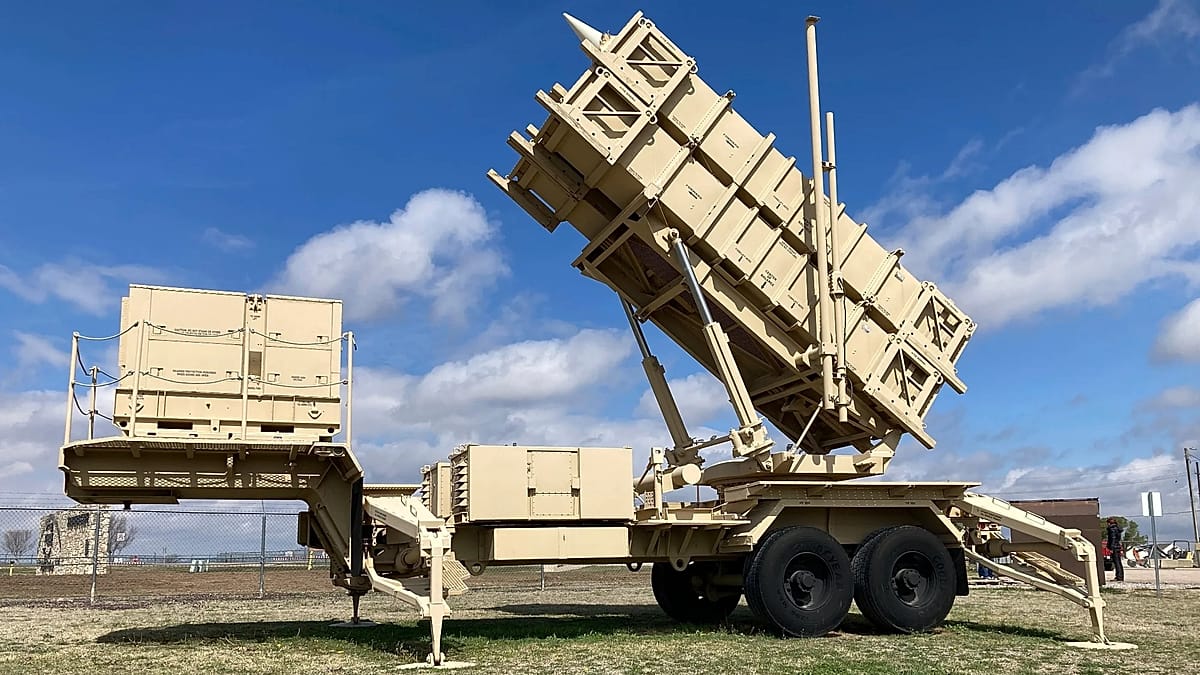
In the face of relentless Russian aggression, Ukraine finds itself in a precarious position, with its air defense capabilities under severe strain. The country has been waiting for nearly a month for the United States to approve the delivery of advanced Patriot missile systems, a critical piece in its defense arsenal. President Volodymyr Zelenskyy has expressed his frustration, emphasizing the urgent need for these systems to protect his nation from ongoing attacks.
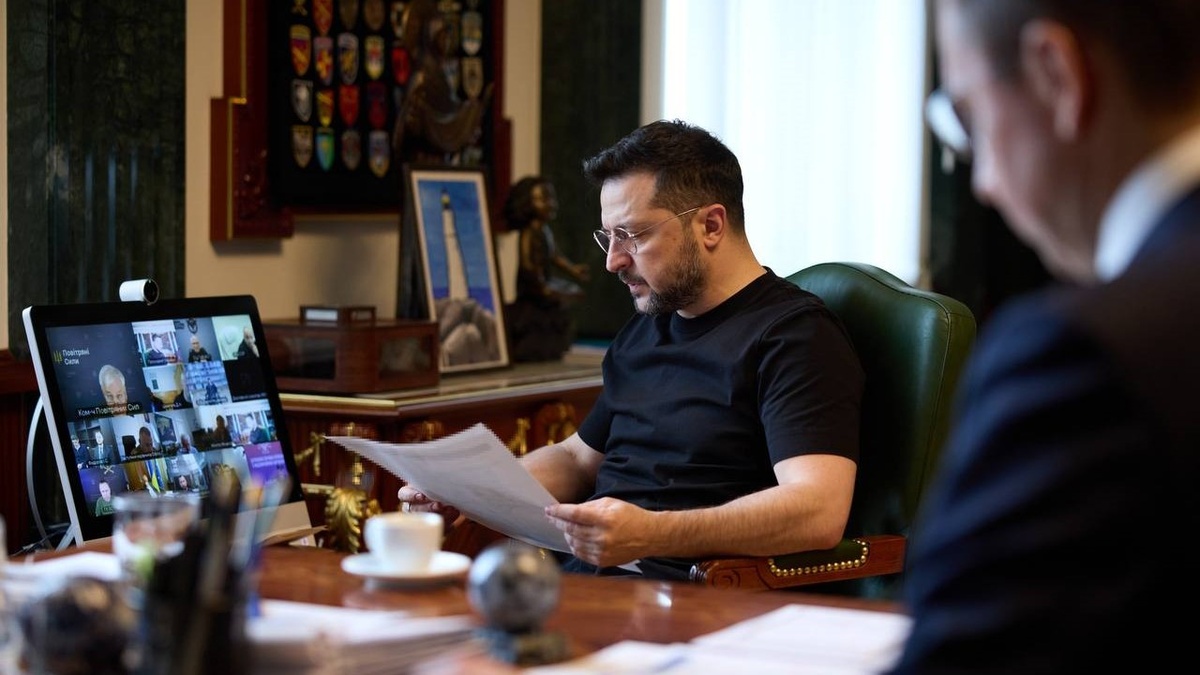
Recent Russian military operations have included the launch of 48 missiles, putting Ukraine on high alert. The country's air defense network, already stretched thin, is struggling to cope with the increasing threat. President Zelenskyy, in a recent statement, highlighted the critical nature of the situation: 'We have been waiting for nearly a month for Mr. Hegseth to sign off on missiles for Patriots and NASAMS.'
The delay in approving the delivery of Patriot missiles is a source of significant tension between Ukraine and the United States. The Patriot missile platform, one of the world's most advanced air defense systems, can intercept a variety of threats, including aircraft and ballistic missiles. Ukraine's need for these systems is underscored by the ongoing Russian attacks.
The delay in approving the delivery of Patriot missiles has significant implications for Ukraine's defense strategy.
In response to the delay, Ukraine has turned to multiple partners, exploring alternative sources of missile systems. President Zelenskyy has stated, 'We are working in several directions: with the United States, Europe, and other partners who have a reserve of PAC-2 and PAC-3 missiles.' This statement reflects the complexity of Ukraine's efforts to secure the necessary defense systems, highlighting the country's strategic approach to diversifying its sources of support.
On October 26, 2026, a conference call was held between Ukrainian officials and U.S. Secretary of Defense Pete Hegseth. During this call, the Ukrainian side expressed their concerns and reiterated the urgency of the situation. President Zelenskyy emphasized the need for immediate action, instructing his team to 'discuss this once again with the American side.' This call marked a pivotal moment in the ongoing negotiations, as the United States is seen as a key player in providing the necessary missile systems to Ukraine.
The delay in approving the delivery of Patriot missiles has significant implications for Ukraine's defense strategy. The country is facing a critical need for air defense capabilities, and the ongoing Russian attacks have put immense pressure on its resources. The strain on global munitions stocks, exacerbated by the U.S. war in Iran, further complicates the situation. Ukraine's request for more interceptors is a reflection of the urgency of the moment, as the country seeks to protect its people and maintain its sovereignty.
The month-long wait for the Pentagon chief's signature has strained the relationship between Ukraine and the United States. President Zelenskyy's frustration is palpable, as he continues to push for immediate action. The situation is not just a matter of military support; it is a reflection of the broader geopolitical dynamics at play. The United States, as a key ally, is under pressure to provide timely and effective assistance to Ukraine, given the severity of the threat it faces.
As the clock ticks, Ukraine remains vigilant, exploring all possible avenues to secure the necessary missile systems. The ongoing negotiations with the United States and other partners are crucial, as they will determine the future of Ukraine's air defense capabilities. The delay in approving the delivery of Patriot missiles is a stark reminder of the challenges faced by countries in the midst of conflict, and the importance of timely and effective support from international partners.