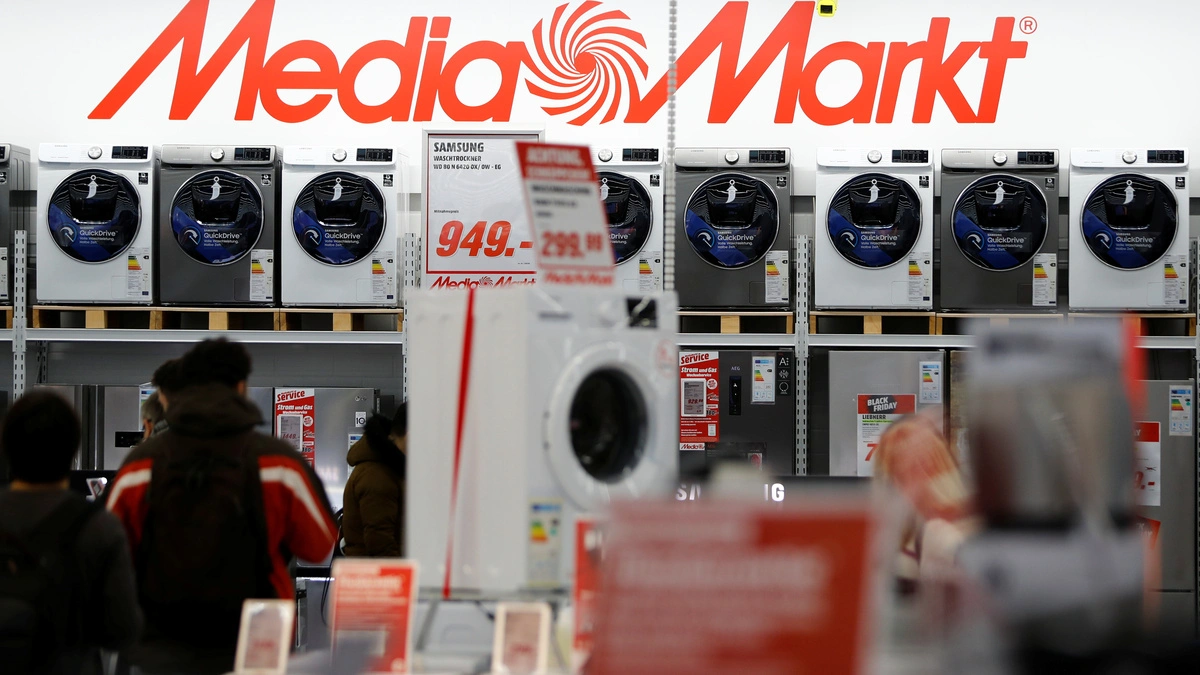
In the quiet offices of a Berlin suburb, where the hum of fluorescent lights blends with the distant clatter of a city waking up, a quiet revolution was about to unfold. The European Commission, the EU’s executive arm, had spent months poring over spreadsheets, legal filings, and geopolitical tensions to reach a decision that would ripple across Europe’s electronics retail sector. On November 3, 2026, they would announce it: JD.com, China’s e-commerce titan, had won the right to acquire MediaMarktSaturn, Europe’s largest electronics retailer, for €2.2 billion—but only under a set of conditions so strict they felt like a geopolitical truce. The deal wasn’t just about business; it was about power, subsidies, and the fragile balance between economic ambition and competitive fairness. And as the ink dried on the approval, another warning echoed from Beijing: China’s retaliation was already in play, a reminder that this wasn’t just a corporate transaction, but a clash of economic ideologies on a global stage.
