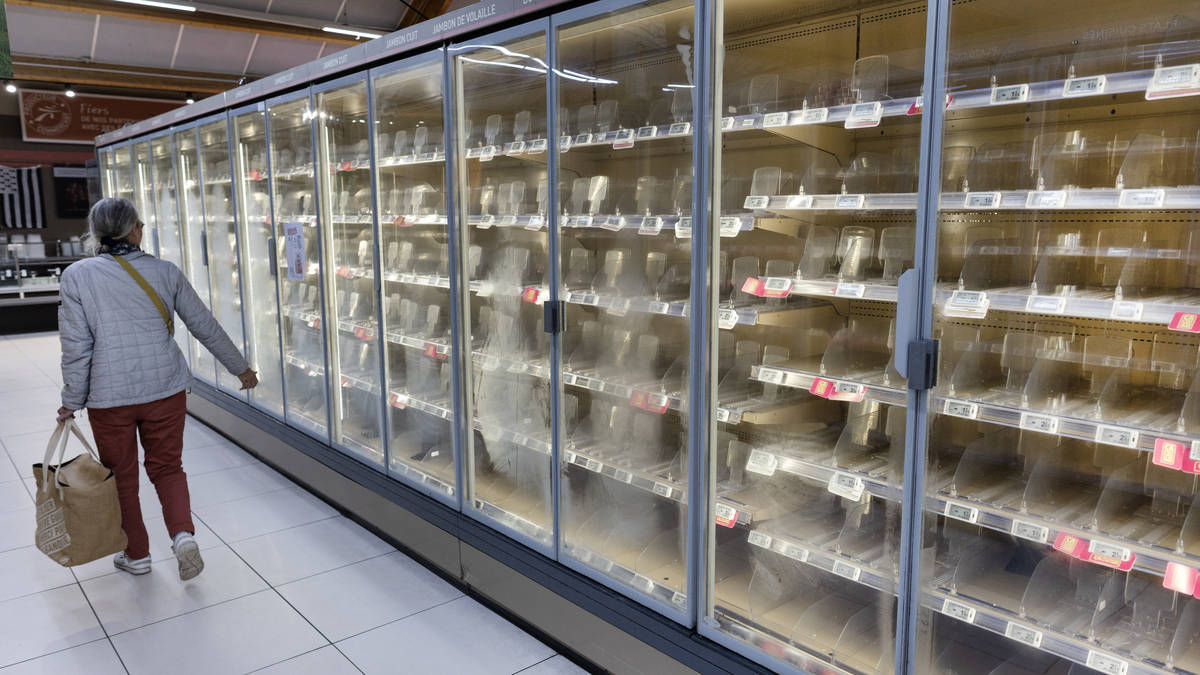
In the early hours of October 12, 2025, attackers gained remote access to the refrigeration management systems used by a range of French supermarkets. The intrusion was not a brief glitch; it was a sustained manipulation that kept the cooling units running in a mode that continuously defrosted rather than chilled.

As a result of the continuous defrost command, temperatures inside the affected units rose to as high as 50 °C. This level of heat is far above the safe storage range for both fresh produce and frozen goods, effectively turning refrigerators into ovens.

Hackers heat French supermarket fridges, sparking fires and spoiling food https://t.co/HmCi8kMESD https://t.co/HmCi8kMESD
The heat caused fresh items such as dairy, meat, and vegetables to spoil rapidly, while frozen products thawed and became unusable. Retailers reported having to discard large quantities of stock as the food safety limits were exceeded across the impacted stores.
This figure encompassed locations from multiple chains, though the outlet did not break down the count by brand in its reporting.
Les Mousquetaires, the cooperative that operates the Intermarché and Netto banners, told Reuters that roughly 150 of its stores had been hit by the attack.

Hackers heat French supermarket fridges, sparking fires and spoiling food https://t.co/ZjqEqovREd https://t.co/fw4apN6wZQ
BFM TV, citing its own tally, reported that the number of stores experiencing the temperature spike reached about 300. This figure encompassed locations from multiple chains, though the outlet did not break down the count by brand in its reporting.
Coopérative U, which runs the Super U stores, said that nearly 100 of its outlets had been affected. Retailers are discarding spoiled stock as the total national cost remains unestablished.

Hackers heat French supermarket fridges, sparking fires and spoiling food https://t.co/rRJOHr0IVk https://t.co/rRJOHr0IVk
On the same day, the Paris prosecutor’s office announced the opening of a "large‑scale" investigation into the cyberattack.
Prime Minister Sébastien Lecornu responded by directing the National Agency for the Security of Information Systems (ANSSI) to coordinate the national response.
Danfoss, the engineering firm that supplies the refrigeration control technology, said that the units involved were running outdated firmware that contained previously disclosed vulnerabilities. The company stressed that, while those flaws were known, it had not yet been confirmed that the attackers exploited exactly those weaknesses.
Dominique Schelcher described the episode as "extremely serious," underscoring the potential risks to public safety and supply chains. Despite the vivid images of spoiled food and the scale of the disruption, officials noted that the total national financial cost of the incident had not yet been established.