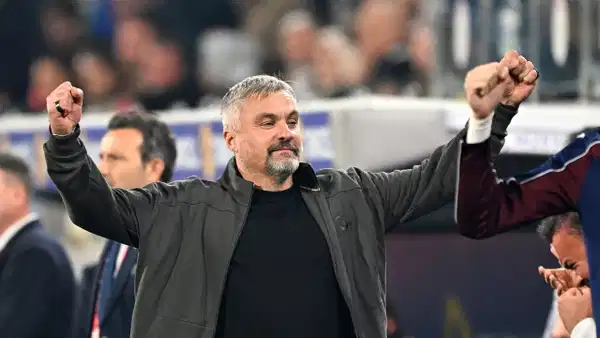
In the ninth match of the Trendyol Süper Lig, the match at the Çaykur Didi Stadı presented a significant challenge for Trabzonspor. For technical director Thomas Reis, the opening act was a total breakdown of performance. As the first half drew to a close, the scoreboard showed Çaykur Rizespor held a 2-0 lead, and Trabzonspor struggled to maintain their usual level.
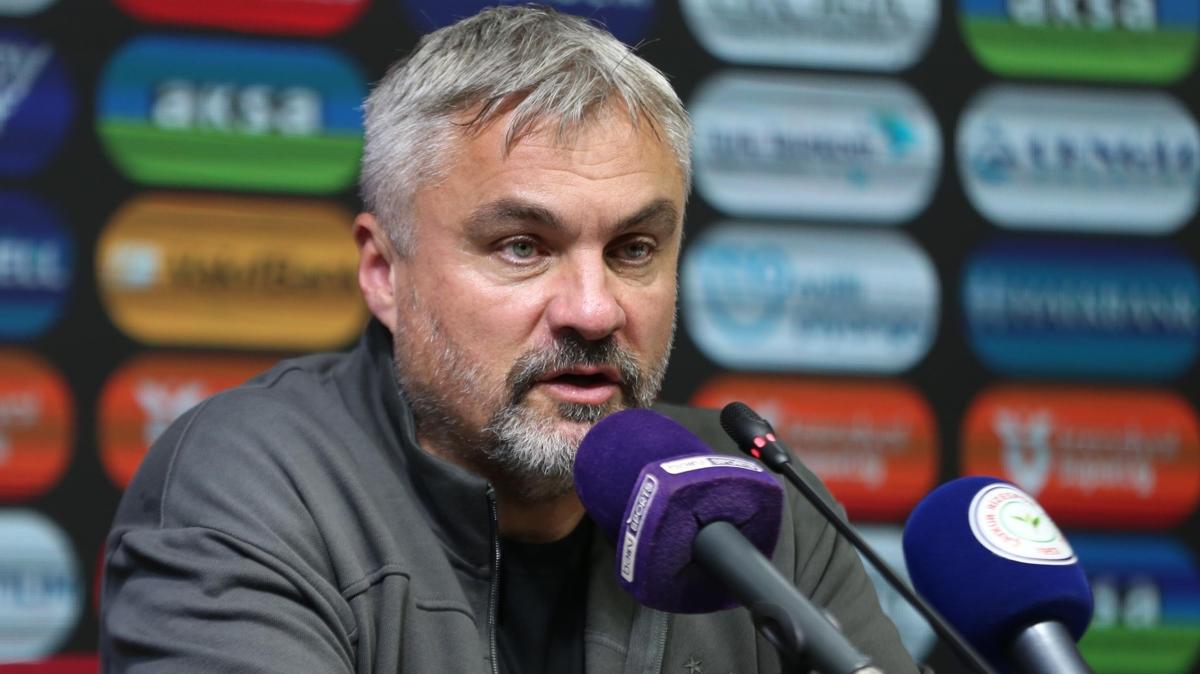
Reis was critical in his assessment of the initial forty-five minutes. To him, the team was unrecognizable. It was a systemic failure of the fundamentals. The players struggled in every duel, losing nearly every one-on-one confrontation on the pitch. The technical precision vanished, replaced by a passing quality that Reis described as poor.
"Everything was missing. Our performance was missing. Our behavior, everything was bad, actually, in the first half," Reis remarked. In those early moments, Rizespor earned their advantage. As Reis noted, the hosts deserved to enter the halftime break with that two-goal cushion.
He needed to alter the structure of the team to reclaim the physical battles they had lost in the first half.
When the players retreated to the dressing room, the deficit was clear. In previous matches, Trabzonspor had established a pattern of scoring the opening goal. This time, they were staring at a deficit, facing the possibility of a defeat on the road.
It was at this juncture that Reis reframed the situation. He looked at a squad that was trailing and saw an opportunity. "I told them it was a great opportunity. I said we could make a comeback," Reis explained. His logic was rooted in the reality that they had nothing left to lose. This shift in perspective was designed to transform their approach into a relentless, attacking drive.
Between the halves, the conversation moved to mechanics. Reis recognized that sentiment alone wouldn't bridge a two-goal gap. He needed to alter the structure of the team to reclaim the physical battles they had lost in the first half.
One of the key adjustments involved managing the risk of disciplinary issues. Reis noted the importance of tactical changes, specifically mentioning a move involving Fabinho. With the player carrying a yellow card, the technical staff had to navigate the fine line between aggressive play and potential fouls.
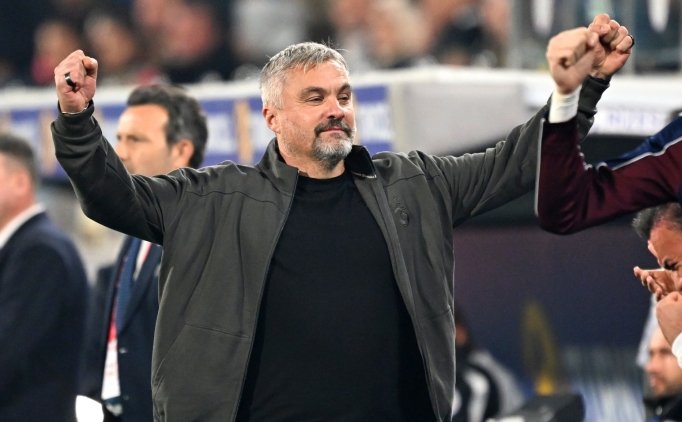
As the second half commenced, the transformation was immediate. The pass quality improved, the duels were won, and the tactical discipline that had been absent in the first half began to manifest. The match Reis had predicted began to unfold, as the momentum swung toward the visitors.
The second half was a complete inversion of the first. Trabzonspor exploded, finding the net four times in a pursuit of the lead. By the time the final whistle blew, the scoreline stood at 4-3 in favor of Trabzonspor. The team that had struggled to complete a simple pass in the first half had managed to score four goals in a single half.
For Reis, the victory was about the response. The ability to score four goals in an away match after being outplayed for forty-five minutes served as a validation of the team's potential.
"Just being able to find four goals in the second half and leave an away match with four goals and be able to win shows how much we deserved this match, I think," Reis said. While the first half was a source of frustration, the second half provided proof of character.