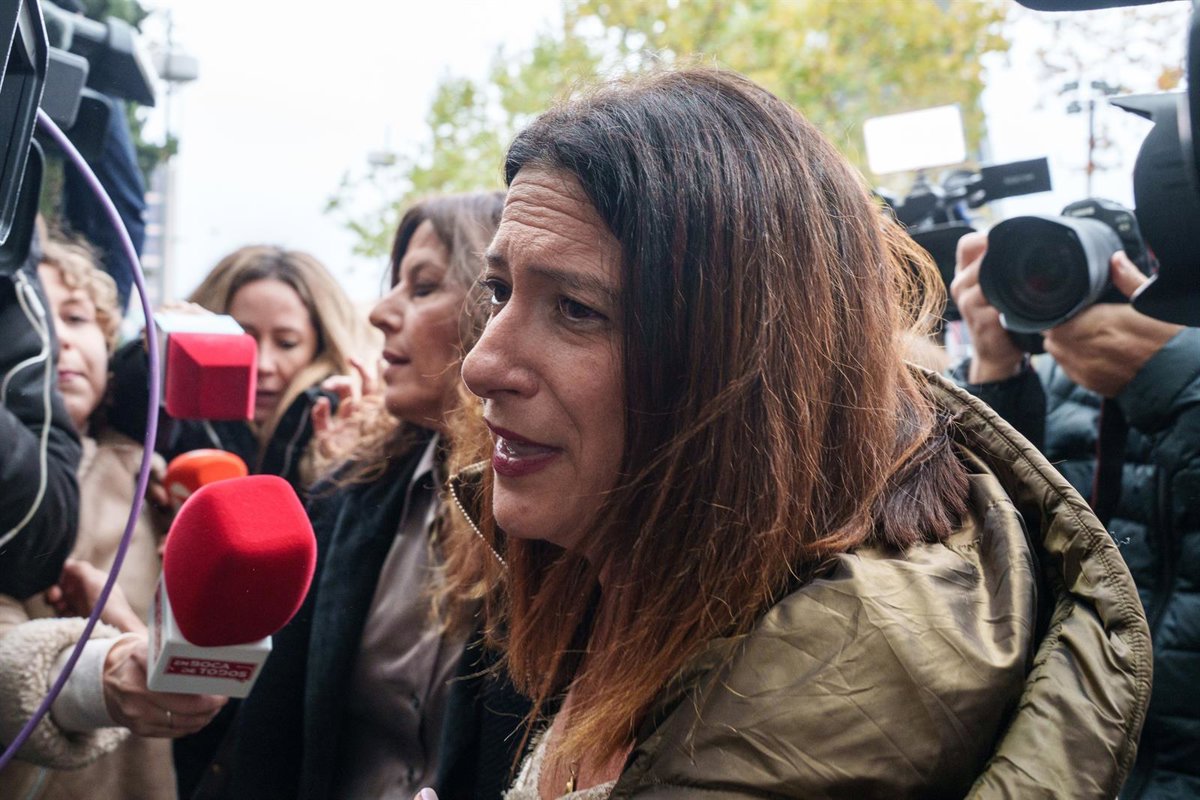
On October 20, 2026, Judge Santiago Pedraz, the magistrate overseeing the high‑profile “Cloacas” or “Fontanera” case, handed the Spanish Socialist Workers’ Party (PSOE) a stark ultimatum: within 48 hours the party must submit every piece of paperwork that details the legal services it hired and the payments it made to lawyers between 2021 and 2025. The demand follows a series of earlier moves – a request for information on October 6 and a report from the Anticorruption Prosecutor’s Office on October 8 – that have gradually narrowed the space in which the PSOE can operate.
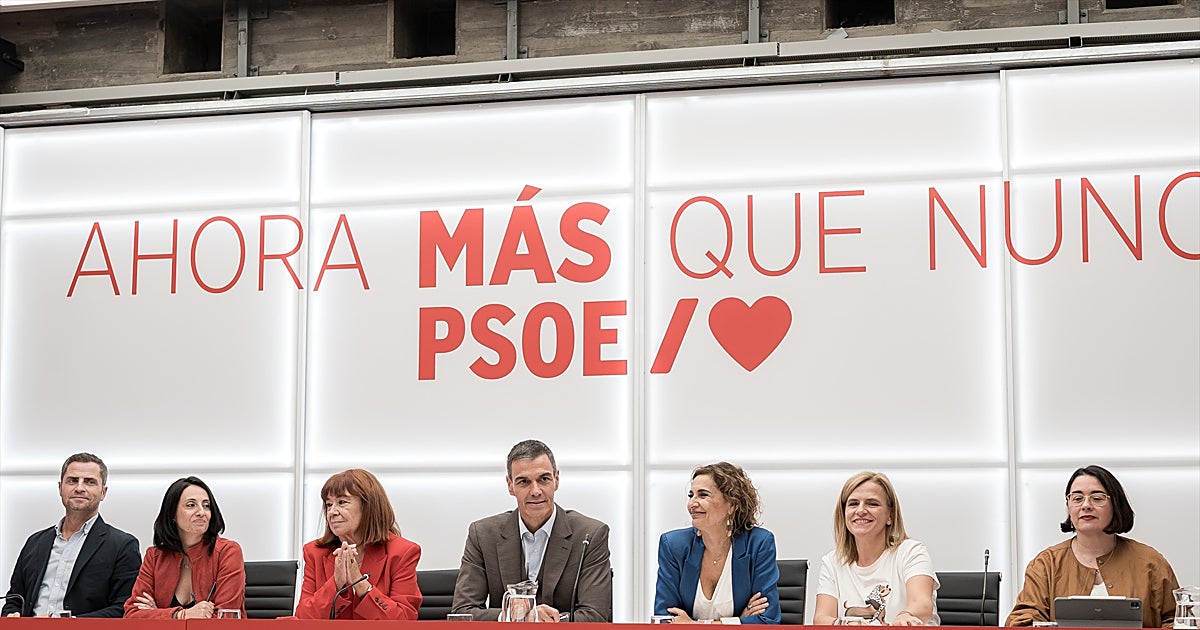
At the heart of the investigation lies Leire Díez, described in the filings as a “fontanera” for the PSOE. In Spanish political slang, a fontanera is an informant who supplies compromising material, often in exchange for payment. According to the judge’s dossier, the party allegedly funneled money to Díez through a web of fictitious legal services, a maneuver that would allow the PSOE to keep the payments off the public ledger while still rewarding the informant for the intelligence she provided.
The alleged scheme is not merely a bookkeeping curiosity. Prosecutors argue that the payments were part of a broader effort to neutralize investigations that threatened the party and Prime Minister Pedro Sánchez. By channeling funds through sham contracts, the PSOE could have insulated itself from scrutiny while simultaneously arming Díez with resources to gather damaging evidence against political opponents. The judge’s current order seeks to untangle that web by forcing the party to lay out every contract, invoice, and bank transfer linked to its legal counsel during the four‑year window.
The judge’s summons also names other legal actors, including Jacobo Teijelo and a handful of law firms that supplied services to the PSOE.
The case does not revolve solely around Díez. The judge’s summons also names other legal actors, including Jacobo Teijelo and a handful of law firms that supplied services to the PSOE. Moreover, the investigation points to former party leader Santos Cerdán, who, according to the prosecutor’s narrative, coordinated the plot alongside Díez. While the judge’s request is narrowly focused on documentary evidence, the broader context suggests a network of individuals who may have facilitated the alleged concealment of funds.
On October 8, 2026, the Fiscalía Anticorrupción presented a report that sharpened the focus on the PSOE’s financial trail. The prosecutor’s office, tasked with rooting out corruption at the highest levels of government, highlighted irregularities in the party’s legal spending and flagged the possibility that payments to Díez were disguised as legitimate lawyer fees. By pairing the prosecutor’s findings with the judge’s deadline, the judiciary is signaling a coordinated push to bring transparency to a case that has long hovered in the shadows of Spanish politics.
The same day the judge issued his 48‑hour demand, a separate but related development unfolded: Nervis Villalobos was formally imputed for falsifying documents to obtain Spanish citizenship. While Villalobos’s alleged misconduct does not directly involve the PSOE’s legal contracts, the timing underscores the broader climate of scrutiny over document fraud and the manipulation of official records – themes that echo the core allegations against the party.
For the PSOE, the clock is now ticking. Failure to comply within the two‑day window could trigger coercive measures, ranging from fines to the seizure of assets, and would undoubtedly intensify political pressure ahead of the upcoming electoral cycle. The party’s leadership has already faced criticism from within its ranks, with senior figures labeling the judge’s move as “politically motivated” while simultaneously acknowledging the need to address the prosecutor’s concerns.
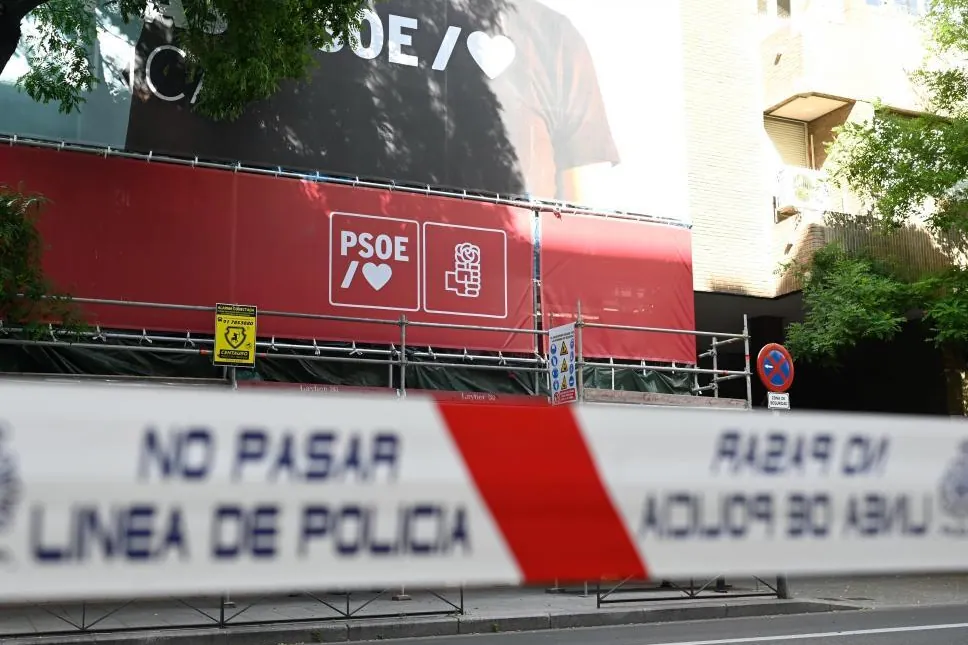
Judge Pedraz’s order is a procedural milestone, but it is far from the final chapter. Once the PSOE submits the requested documents, the judge and the Anticorruption Prosecutor will analyze the material for signs of deliberate concealment, false invoicing, or any other irregularities that could substantiate the accusations of a hidden payment stream to a political informant. Should the evidence confirm the prosecutors’ suspicions, the case could evolve into a full‑blown trial that tests the resilience of Spain’s democratic institutions and the accountability of its ruling party.
As of today, the PSOE is scrambling to gather the required paperwork, while the judiciary prepares to sift through a trove of contracts that could either vindicate the party or expose a systematic effort to subvert judicial oversight. The outcome will not only shape the immediate political fortunes of the PSOE but also set a precedent for how Spain confronts alleged abuses of legal and financial mechanisms in the service of partisan objectives.
The saga of the “fontanera” case thus remains a live laboratory for the country’s anti‑corruption framework, a reminder that the line between legitimate legal counsel and covert political financing can be perilously thin.