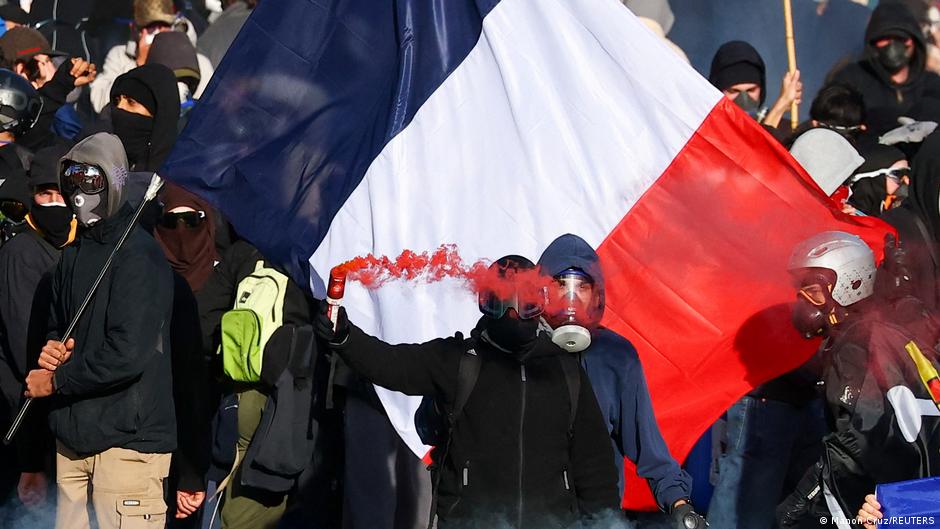
The first thing a newcomer to French public life would notice on the morning of October 24, 2026, is the smell: the sharp, metallic tang of tear gas. For many, the protest had started the way these gatherings often do in a democratic society—with voices raised in unison and placards held high. It was meant to be a peaceful expression of frustration. But as the crowds swelled in the capital, the atmosphere shifted. The air thickened with tension. When the police deployed water cannons and finally released clouds of tear gas to disperse the demonstrators, the scene changed from a rally to a clash. The violence that followed was not just an exchange of slogans; it was a physical confrontation that defined the weekend.
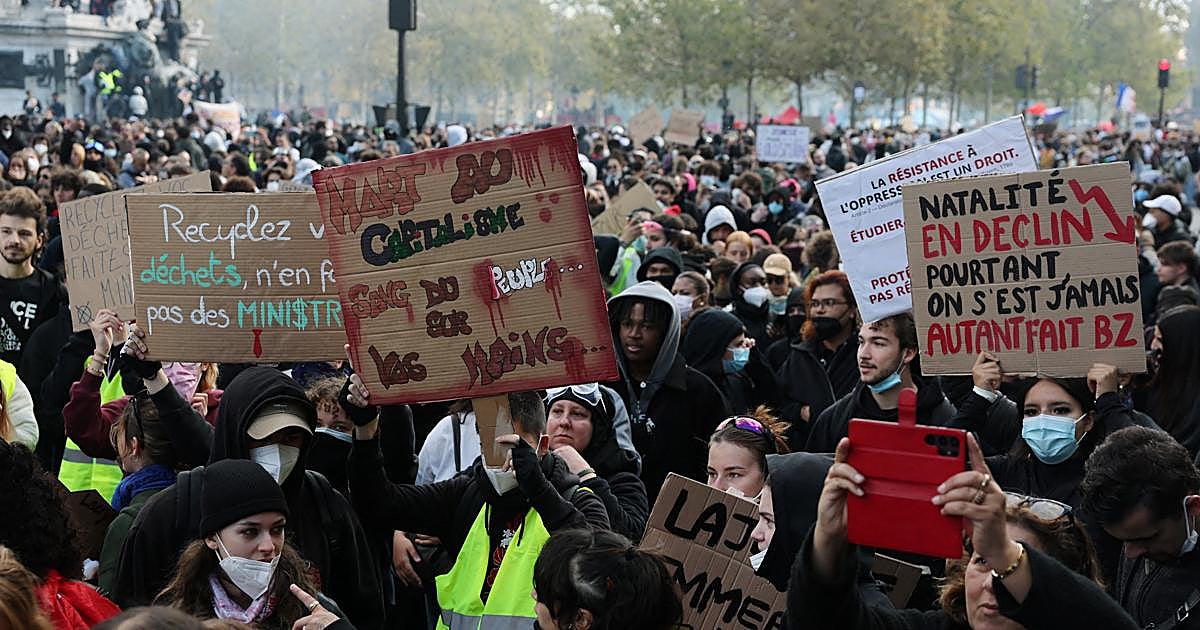
In the aftermath of the initial confrontations, the French government issued a stark accounting of the event. They reported that 410,000 people took part in the protests across the country. In political terms, that is not just a crowd; it is a significant portion of the public sphere. For an outsider, a number that large signals a deepening rift between the state and the citizenry. It is the kind of turnout that suggests the grievances are not fringe concerns, but widespread and urgent. The government’s focus on this figure highlights their attempt to frame the event: they are acknowledging the scale of the dissatisfaction while simultaneously establishing the official record of the day’s events.
To understand how quickly the situation moved from demonstration to disorder, one must look at the other side of the equation. The authorities did not simply watch these crowds gather. They mobilized a massive security presence. In Paris alone, the number of police officers deployed reached 70,000. That is a logistical operation of staggering complexity. Imagine placing one armed and uniformed officer on the street for every six hundred residents in the area. This level of density is a signal of high risk. It tells the public that the state anticipated, or was reacting to, a high likelihood of physical confrontation. The 70,000 figure is not just a count of uniforms; it is the physical boundary that the state erected between the protesting masses and the normal functioning of the city.
It transforms the participants from political actors demanding change into a threat to the social order.
While Paris often steals the spotlight in international news, the unrest on October 24 was not confined to the capital. The clashes spread to other major cities, including Marseille. This geographic spread is a crucial detail for anyone trying to understand the nature of the movement. If protests were only in Paris, one might easily dismiss them as a local or elite-centric issue. But when the smoke and sirens are heard in Marseille as well, it confirms that the economic anxieties are felt across the region. The coordination of these demonstrations suggests a national mood, a shared frustration that has crossed regional lines.

Massive massive protests in Paris and all over France. Stop being suicidal and dismiss the protesters as Immigrants and Islamists. Anger against political establishment is serious and universal. https://t.co/c5U2321Har
The violence of the day took a tangible toll on French society. Reports of the previous weekend revealed that 3,000 shops had been looted. This is a critical pivot point in the narrative. Protests that involve the destruction of property by civilians cross a line in the public consciousness. It transforms the participants from political actors demanding change into a threat to the social order. The mention of the looting provides a backdrop to the current clashes. It explains the hardness of the police response and the defensive posture of the local communities. For the average French citizen watching the news, the image of destroyed storefronts is a powerful reminder of the chaos that accompanies these demonstrations.
To understand why the crowds were so large and so volatile, one must look at the root cause: purchasing power. In plain terms, this refers to the value of money. When wages do not keep up with the rising cost of essentials—food, fuel, housing—the average person feels their financial footing slipping. This is not just an abstract economic concept; it is a daily reality. Alongside purchasing power, the protests also targeted public services. In France, there is a long history of viewing the state as the guarantor of these services. When the government is perceived as failing to protect the quality of these services or the value of the currency, the public怒火 turns into direct action. The mix of economic pain and institutional distrust is a potent fuel for large-scale mobilization.

Tens of thousands marched in Paris against the cost of living. Police say 500+ rioters then turned on officers. Guess which part the headlines will remember. #France #Paris
As the dust settled on October 24, the story did not end. The movements were too large and the grievances too deep to disappear overnight. Reports indicated that a third protest was scheduled for the upcoming Saturday. For a government dealing with a crisis of confidence, this creates a difficult reality. They must prepare for another large-scale mobilization while managing the damage from the previous weekend. The cycle of protest and police response is now set into motion. The question hanging in the air for both the state and the public is whether this third gathering will bring a dialogue or more chaos. The scale of the 410,000 participants suggests that the pressure on the government is unlikely to ease in the immediate future.