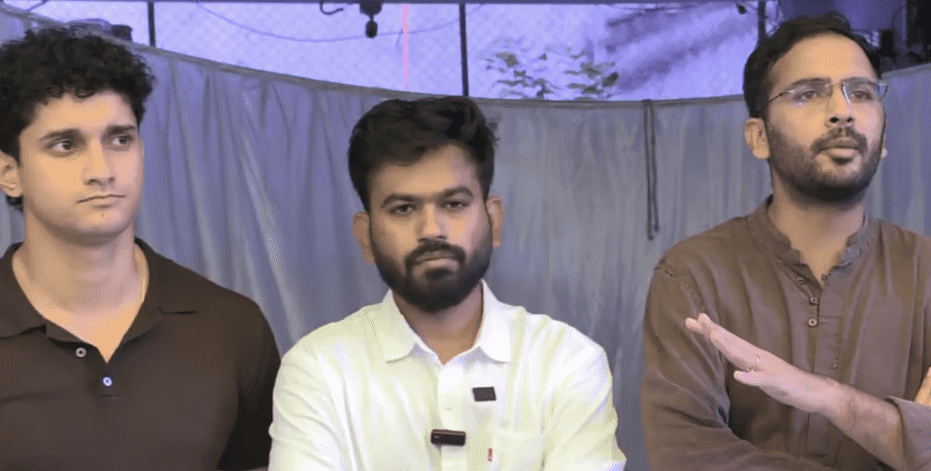
On the night of October 9, 2026, Abhijeet Dipke, the founder of the Cockroach Janta Party, recorded a short video in which he warned that if he, Saurav Das and Ashutosh Ranka were taken into custody, the party’s organisation‑in‑charge Ajinkya Shinde would step forward to lead the protest. He said the recording was made in anticipation of a possible arrest, and he urged viewers to support Shinde should the three be detained.
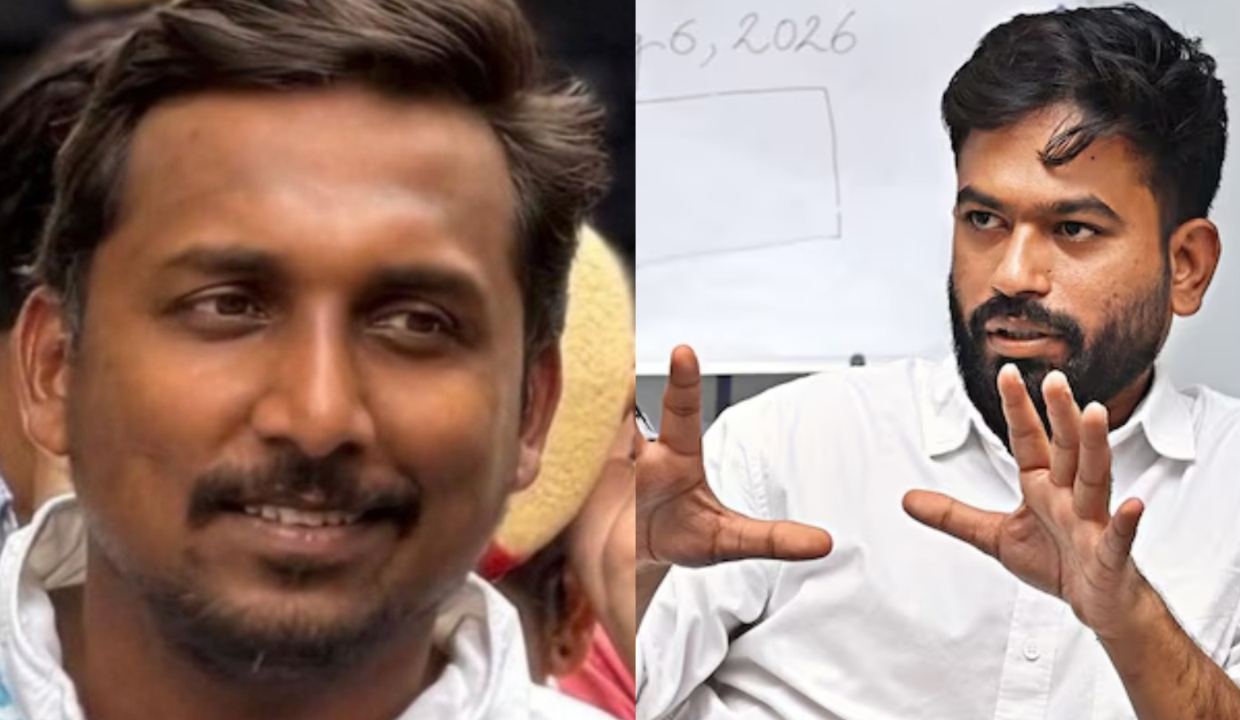
The next morning, October 10, Dipke left Mumbai early to travel to New Delhi for the scheduled demonstration at Jantar Mantar. Upon arrival at the airport, Delhi Police stopped him and took him into custody, along with Saurav Das and Ashutosh Ranka. The police moved the trio to an undisclosed location, leaving their families unable to reach them for several hours.
While in police custody, Dipke received word that his 85‑year‑old paternal grandmother, Savitribai Shankarrao Dipke, had died that morning at her home in Santuk Pimpri village, Maharashtra. Police informed him of the passing at around 11:30 am and told him he could either remain in detention to continue the protest or be released to attend the last rites, which were set for 10 am the following day. The family had previously struggled to contact Dipke because of his detention.
The party described him as the person who would keep the movement alive until Dipke, Das and Ranka were freed from police custody.
True to the warning in his video, the Cockroach Janta Party’s leadership announced that Ajinkya Shinde, who had been appointed national organisation‑in‑charge in August, would assume command of the Jantar Mantar protest. Shinde, a 35‑year‑old engineer from Latur, Maharashtra, holds a B.Tech degree from Dr. Babasaheb Ambedkar Technical University in Raigad. He had already organised a Mumbai protest earlier in the month, giving him recent experience in mobilising supporters.

An essay on initial success and inevitable failure of CJP from Strategic communications perspective. Communications was the pillar on which this movement was built and succeeded. Communication is the reason it has failed. Do read. https://t.co/20tYYwjpKI
Shinde’s background is rooted in Maharashtra’s engineering colleges; his technical degree and prior organisational role positioned him as the natural successor to lead the party’s street actions. The party described him as the person who would keep the movement alive until Dipke, Das and Ranka were freed from police custody.
On October 10, the day the demonstration was slated to begin, Delhi Police imposed heavy security around Jantar Mantar. Traffic restrictions were put in place and officers detained at least 1,500 individuals under Section 65 of the Delhi Police Act, a provision that allows authorities to hold people when they suspect a threat to law and order. Dipke later accused Prime Minister Narendra Modi and Union Home Minister Amit Shah of using these security measures to keep the public from joining the protest against Chief Election Commissioner Gyanesh Kumar.
The police response was swift and extensive. Besides the three party leaders, the authorities swept up roughly 1,500 protesters and bystanders, holding them under the same legal provision. The crackdown underscored the tension between the party’s call for electoral reform and the government’s stance on maintaining public order during the planned rally.
As of the date of the article, Abhijeet Dipke, Saurav Das and Ashutosh Ranka remain in police custody at an unknown location, while Ajinkya Shinde is leading the ongoing demonstration at Jantar Mantar. The Cockroach Janta Party continues to press for the resignation of the Chief Election Commissioner, framing the detention of its leaders as an attempt to suppress dissent. The situation remains fluid, with the party urging supporters to keep the pressure on the authorities until its founders are released.