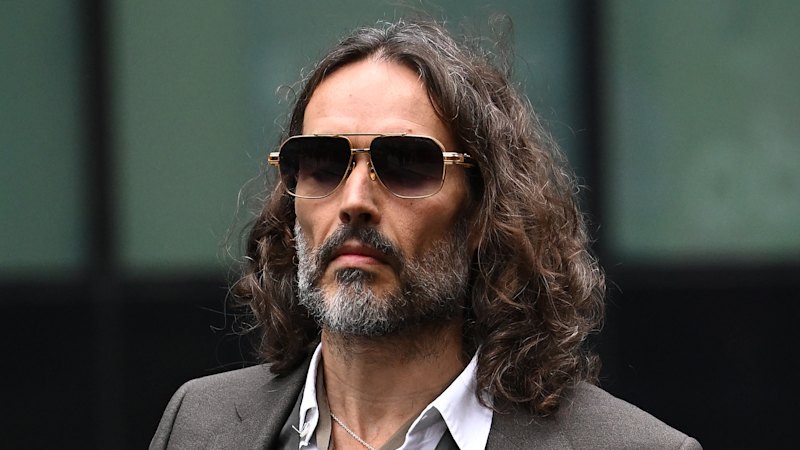
On 2026-11-05, a UK court delivered a judgment that fundamentally altered the trajectory of one of Britain's most recognizable figures. Russell Brand, the 51-year-old actor and comedian, was found guilty of one count of rape and three counts of sexual assault. The verdict, which followed a legal process involving allegations spanning a ten-year period, marks a definitive turning point for a man whose public persona had long been defined by both his comedic talent and his presence in the digital zeitgeist.
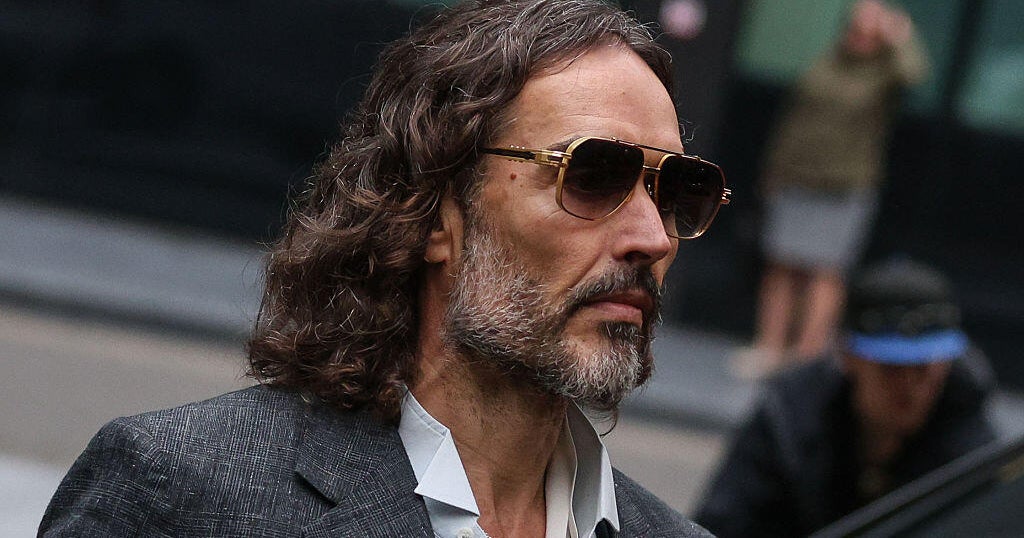
For Brand, the courtroom was not merely a site of legal adjudication but a stage for a profound personal reckoning. As the proceedings reached their conclusion, the comedian reflected on the toll the legal battle had taken, stating, "My entire life has been consumed by these events, these allegations, these accusations."
The case brought to light a complex web of accusations involving six anonymous women. The timeline presented to the court stretched back over a decade, with specific charges centered on conduct occurring in 2009. The prosecution's narrative painted a portrait of a man who operated with predatory intent, with prosecutors accusing Brand of being a "ruthless, calculating, manipulative 'sexual predator.'"
The court was tasked with weighing the credibility of six different women against the argument that Brand's fame had weaponized the legal system against him.
While the scope of the allegations was broad, the jury's decision was specific. Brand was convicted of the single count of rape and the three counts of sexual assault. However, the legal process also included moments of acquittal; he was found not guilty of two counts of rape and one charge of attempted indecent assault. The distinction between these charges and the convictions underscores the granular nature of the evidence presented over the course of the trial.

🚨Breaking: Russell Brand found guilty. Remains in custody ahead of sentencing on Nov 9. https://t.co/7A2laA0XwE
Throughout the trial, Brand's legal team mounted a defense that sought to contextualize the accusations within the framework of his celebrity. They argued that the allegations were not merely isolated incidents but were part of a coordinated attack directed at him, fueled by his significant online fame. This defense attempted to frame the legal challenges as a byproduct of his visibility in the modern media landscape, suggesting that his public profile made him a target for organized scrutiny.
This tension between the personal testimony of the women involved and the defense's theory of a coordinated campaign formed the central friction of the trial. The court was tasked with weighing the credibility of six different women against the argument that Brand's fame had weaponized the legal system against him.
As the jury returned its verdict, the focus shifted from the determination of guilt to the inevitability of punishment. The legal consequences for Brand are now moving toward the sentencing phase, a period that will determine the length of his time behind bars. The gravity of the convictions was immediately acknowledged by the bench.
Judge Joel Bennathan, presiding over the case, made it clear that the convictions would carry heavy weight. Addressing Brand directly, the judge noted the severity of the crimes for which he had been found responsible. "You've been convicted of a number of offences including rape," Bennathan stated. "The consequence of that is inevitably a significant custodial term."

BREAKING Russell Brand leaves court in prison van after guilty verdict https://t.co/MpkGKkx2C9
The transition from defendant to prisoner is no longer a distant possibility for the 51-year-old. Following the verdict, Judge Bennathan indicated that the court's view on the necessity of incarceration was firm. "My current view is that I therefore have to remand you into custody," the judge declared, signaling that a custodial sentence is likely.
This decision moves the case from the realm of debate into the realm of execution.