
On October 27, 2026, the democratic machinery of Israel began its latest cycle, as citizens across the country arrived at polling stations to determine the composition of the 26th Knesset. The atmosphere was charged with a sense of consequence, reflected immediately in the sheer volume of participation. By 10:00 a.m., more than 1,200,000 Israelis had already cast their ballots, a surge that caught the attention of observers and officials alike. This figure, representing 16.68% of the electorate, marked the highest early-morning turnout in the nation since 1981, setting a frantic and energized pace for the remainder of the day.
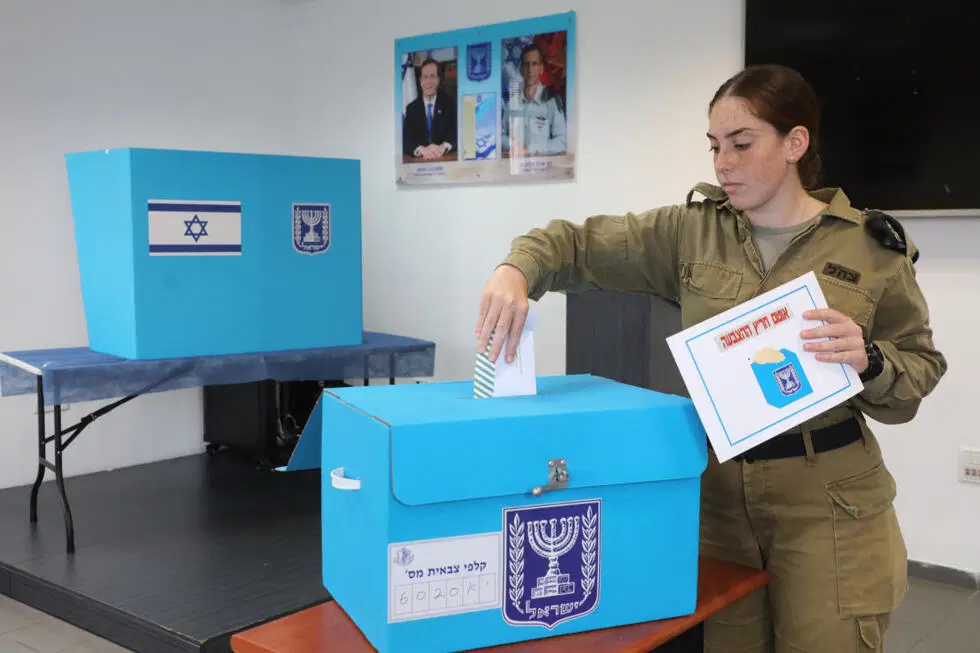
The stakes for this election are reflected in the complexity of the ballot. There are 36 different lists competing to fill the 120 seats that constitute Israel’s legislature. For the 7,331,981 eligible voters, the sheer number of options underscores the fragmented and high-stakes nature of the current political climate. To facilitate this massive civic undertaking, the government implemented measures to ensure mobility, including making inter-city public transportation free for the duration of the day, effectively removing logistical barriers for those traveling to their designated polling stations.

Voters are facing long waits at polling stations amid historic turnout for the 26th Knesset elections. https://t.co/EVQdydrAFY
As the morning progressed, the political leadership took part in the ritual of the vote. Prime Minister Benjamin Netanyahu, accompanied by his wife, arrived at his polling station to cast his ballot. Addressing the gravity of the day, Netanyahu framed the election as a pivotal juncture for the country. "This is a fateful moment; we know what is at stake," he stated. "Vote for the future of the State of Israel." His words echoed a sentiment felt across the political spectrum, where the outcome of this election is viewed not merely as a routine change in administration, but as a decision that will shape the trajectory of the state.
The momentum established in the early hours only intensified as the day wore on.
The momentum established in the early hours only intensified as the day wore on. By 12:00 p.m., the Central Elections Committee reported that the number of voters had climbed to 2.4 million, bringing the total turnout to 31.5%. This figure is particularly significant, as it represents the highest voter turnout for the first five hours of an election since 1977. The sustained interest suggests a deeply engaged electorate, driven by the intense political debates that have characterized the lead-up to this vote.

Israel has recorded its highest voter turnout by noon in a Knesset election since 1977, with 31.5% of eligible voters casting their ballots on Tuesday morning, the Central Elections Committee said. Turnout was up from 28.4% at the same time in the previous election for the 25th Knesset, the committee said in a statement. The committee said it would publish nationwide turnout figures every two hours throughout election day, until 11pm
In a country where elections often take place against a backdrop of regional volatility, the logistical challenge of voting is compounded by security concerns. On this election day, the military increased security measures across the country, a proactive step aimed at preventing potential terrorist attacks that could disrupt the democratic process. Simultaneously, the integrity of the vote was under close watch. While the Central Elections Committee managed the logistics of the day, three of the competing parties reported potential irregularities, highlighting the intense scrutiny that accompanies such a high-turnout event.
As the day moves toward its conclusion, the nation remains in a state of anticipation. The high participation rates suggest that the Israeli public is intent on making its voice heard, regardless of the political divisions that have led to 36 competing lists. With exit polls expected to provide the first glimpse into the potential makeup of the new Knesset, the country waits to see how these millions of individual choices will coalesce into a new governing reality. For now, the focus remains on the polling stations, where the long lines and record-breaking numbers tell the story of a democracy in the midst of a defining exercise.

“Taking Israel onto a new path”: Gadi Eisenkot casts vote in Knesset elections as turnout hits 31.5% Read @ANI story | https://t.co/9OcBjkM4yx #Israelelections #GadiEisenkot #IsraelElection https://t.co/0QcrOl0agF