
On the night of October 26, 2026, the air in Belgrade did not carry its usual stillness. Instead, it was fractured by the rhythmic honking of car convoys and the sudden, brilliant bursts of fireworks that illuminated the Serbian sky. In the heart of the capital, at Slavija Square, the atmosphere was less like a political gathering and more like a spontaneous eruption of collective relief. Tens of thousands of people gathered, their exuberance marking a moment that many thought would never arrive: the sound of a country reclaiming its direction.
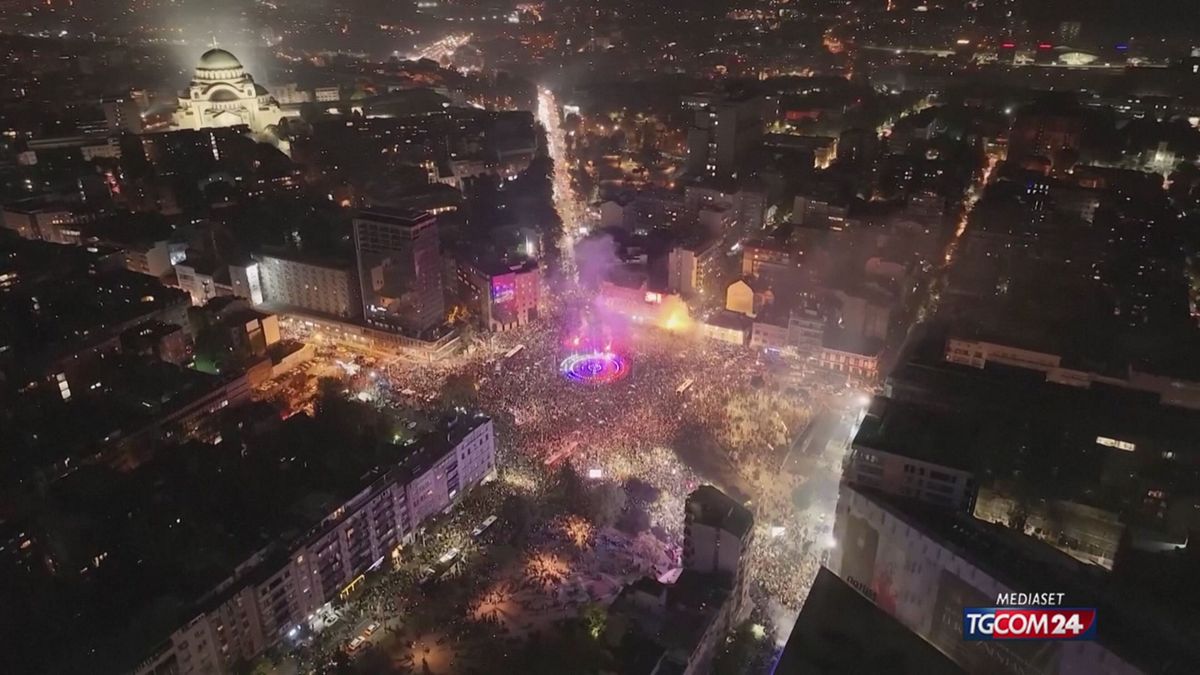
The cause of this upheaval was the result of the early parliamentary elections, which delivered a result that few in the halls of power had predicted with such certainty. A new opposition movement, comprised of students, swept into power with a decisive and surprising victory. According to projections from the polling group Cesid, the movement secured an absolute majority, capturing just over 52 percent of the vote. It was a mandate that did more than just win seats; it fundamentally altered the landscape of Serbian governance.
For more than a decade, the silhouette of Serbian politics has been defined by a single man. Aleksandar Vucic has dominated the nation’s political life in various roles since 2012, maintaining a grip on power that seemed increasingly unshakeable. His vehicle for this influence, the Serbian Progressive Party (SNS), has long been the central pillar of the state. However, the election results painted a different picture of the electorate's will. The SNS received just over 39 percent of the votes, a significant drop that signaled a profound rejection of the status quo.
The SNS received just over 39 percent of the votes, a significant drop that signaled a profound rejection of the status quo.
In a moment that underscored the magnitude of the shift, Vucic himself admitted his defeat. For a leader who had navigated the complexities of Serbian power for fourteen years, the admission served as a formal recognition that the era of his single-handed dominance had reached a turning point. The election was widely interpreted by observers as a referendum on his leadership and the long-standing rule of the SNS, and the voters had delivered a resounding 'no.'
The scale of this political transformation was fueled by an unprecedented level of civic engagement. In an era where voter apathy often plagues democratic processes, the Serbian electorate showed up in force. Voter turnout reached a record level of nearly 70 percent, a figure that lent immense legitimacy to the students' movement and signaled that the desire for change had permeated every level of society.
This high turnout transformed the election from a mere change in parliamentary seats into a massive social movement. The students did not just run a campaign; they mobilized a nation. By capturing over half of the total vote, the opposition movement bypassed the traditional incrementalism of politics, moving straight to a position of strength that allows them to dictate the terms of the country's future.
Despite the clarity of the electoral outcome, the immediate mechanics of power remain in flux. While the students' movement holds the mandate of the people, the question of who will actually step into the role of Prime Minister remains unanswered. The victory is absolute in terms of numbers, but the transition from a long-standing regime to a new, student-led administration is a process fraught with procedural complexity.
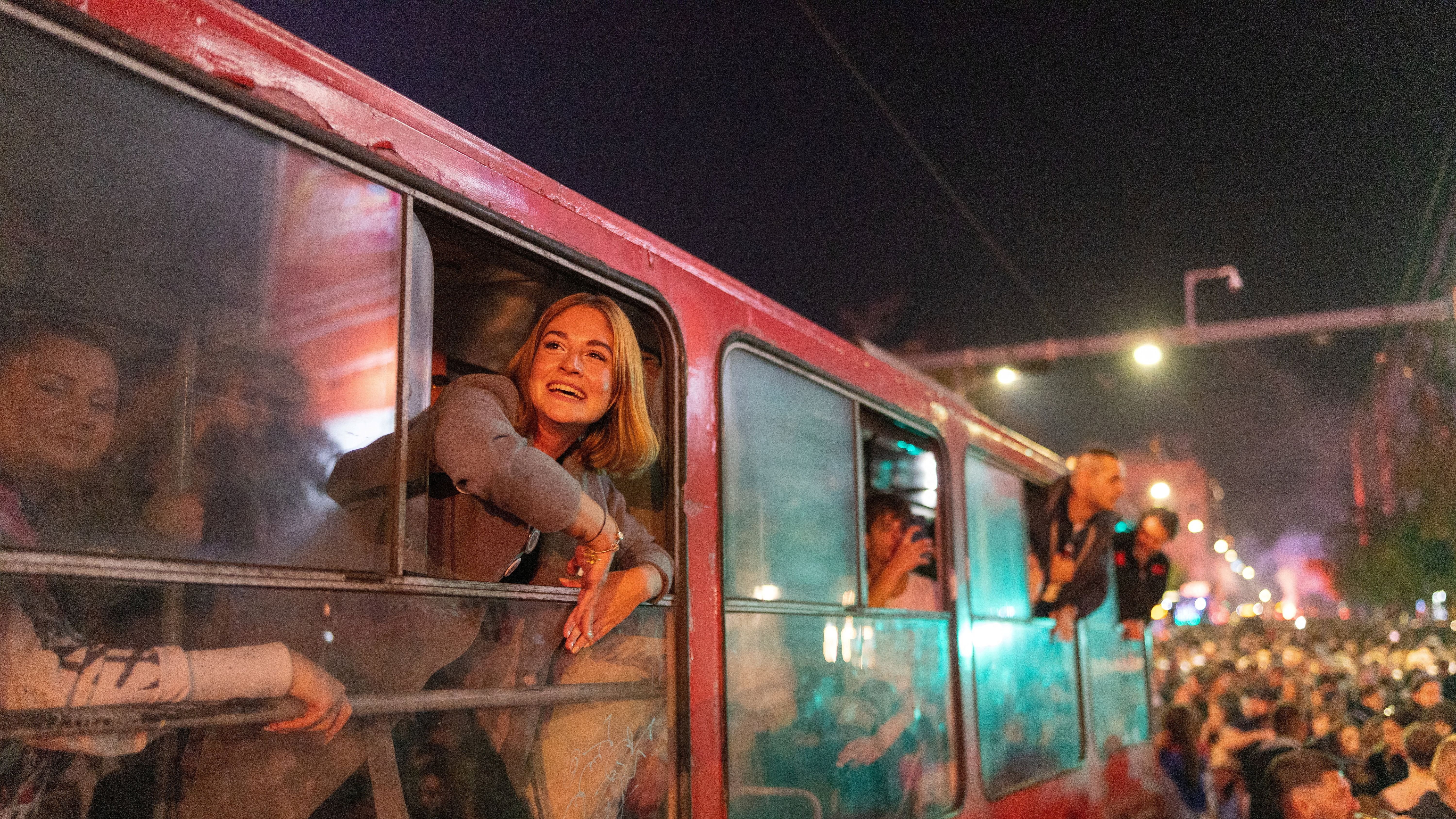
As the celebrations continue in the squares and streets, the focus is shifting from the joy of the win to the gravity of the task ahead. The new majority must now navigate the transition from an opposition movement to a governing body, tasked with managing a country that has just undergone a seismic political shock. The mandate is clear, but the roadmap for implementation is still being written in the wake of the most significant election in recent Serbian history.

The scary experiment of the Student List in Serbia. https://t.co/2zJSEfm4uh