
The U.S. announced it will suspend South Africa and Rwanda from the African Growth and Opportunity Act (AGOA) beginning January 2027, after a February 2026 extension by President Trump. AGOA, established in 2000, offers duty-free access to U.S. markets for thousands of sub-Saharan African products. The decision follows stricter eligibility checks, including adherence to market-based economies, good governance, and absence of trade barriers.
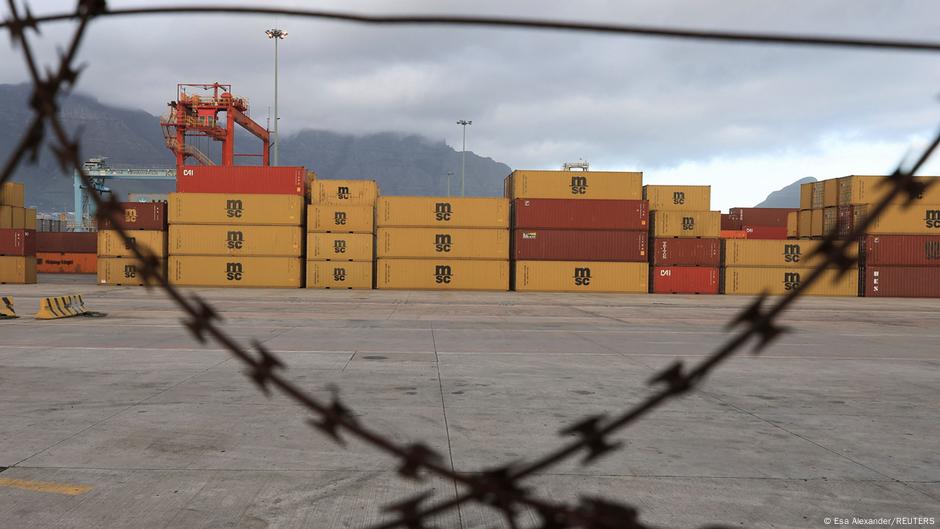
South Africa, the largest AGOA beneficiary, exported $1.7 billion in goods to the U.S. in 2025—just 1% of its total global exports. While AGOA remains critical, South Africa’s trade ministry highlights diversification efforts, including partnerships with China. The suspension marks a shift toward prioritizing compliance with AGOA’s criteria over long-term reliance on the program.
U.S. Trade Representative Jamieson Greer stated both countries failed to meet AGOA’s requirements, including governance issues and trade barriers. Greer emphasized that practices undermining U.S. trade and security interests, such as those affecting regional stability, now disqualify participants. Neither Rwanda nor South Africa has publicly commented, but South Africa’s trade ministry notes AGOA’s role is secondary to broader economic strategies.
trade and security interests, such as those affecting regional stability, now disqualify participants.
The move reflects U.S. policy shifts toward enforcing AGOA’s standards, potentially influencing other African nations to align with U.S. trade and governance expectations. The program’s 26-year duration underscores its historical significance, but stricter enforcement may reshape future trade dynamics in sub-Saharan Africa.