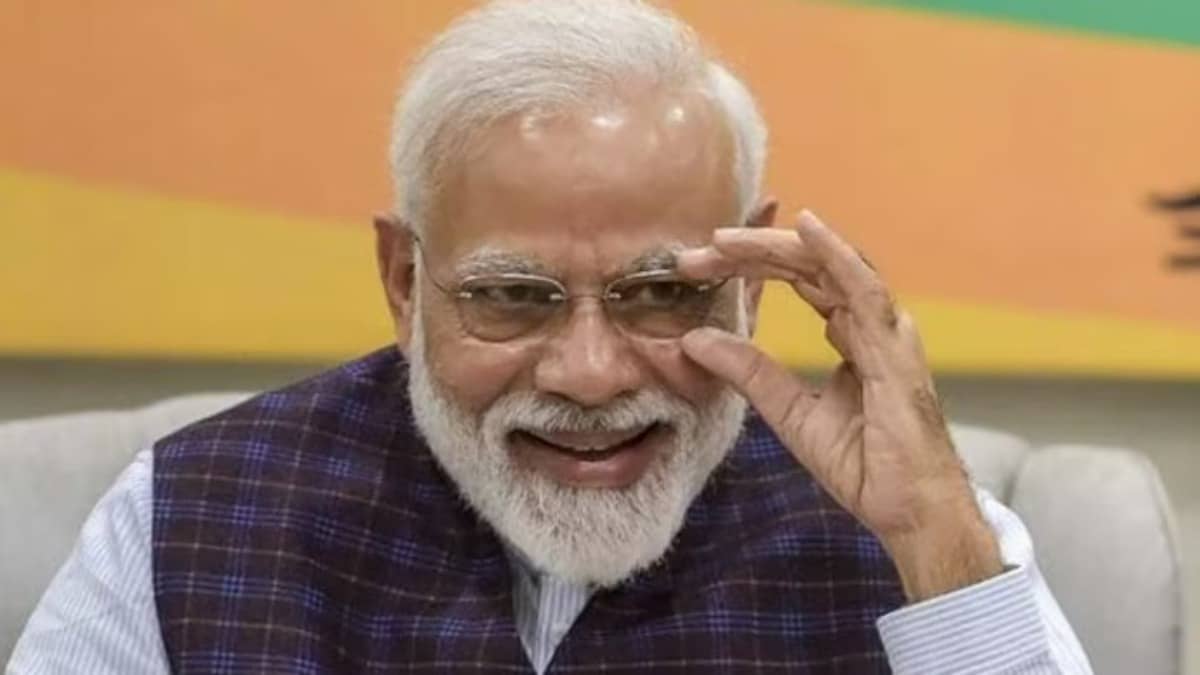
On the evening of October 28, 2026, voters in four of India’s biggest states—Bihar, Karnataka, Maharashtra and Uttar Pradesh—went to the polls for 28 seats in the Legislative Councils, the upper houses of their state legislatures. The elections were notable for the use of ballot papers, a procedural demand that the opposition had long championed. Yet the outcome was anything but a triumph for the opposition. The Bharatiya Janata Party (BJP) and its allies captured every single seat, leaving the Congress party with a clean sheet of zero.
In Karnataka, the BJP’s victory was especially emphatic, a clear win that underscored the party’s growing foothold in a state where it has traditionally faced stiff competition. Across the other three states, the pattern was identical: the BJP‑led National Democratic Alliance (NDA) secured all four seats in Karnataka’s Legislative Council election and, by extension, all 28 seats contested in the four‑state contest. The result was a stark illustration of the BJP’s ability to translate national momentum into state‑level victories, even when the opposition insisted on a ballot‑paper system meant to curb electoral manipulation.

"Big Lesson for both parties"- @bainjal on the MLC results - in which BJP takes all 4 in Karnataka; SP takes Varanasi, Agra & Congress takes Nagpur,-in traditional bastions voter reminding parties who's the boss. In full https://t.co/r8d4gMaI15 https://t.co/nETBir4TMr
For the Congress party, the numbers read like a stark indictment. The party contested all 28 seats but failed to win a single one, drawing a blank in three states and remaining completely out of the reckoning in Maharashtra. The loss was more than a statistical footnote; it struck at the heart of the party’s leadership ambitions and its broader strategy to position itself as the nucleus of a united opposition. Analysts noted that the inability to secure even a foothold in these Legislative Council races signaled a waning capacity to rally anti‑BJP sentiment across diverse regional electorates.
It is now almost clear that the Congress party has failed to make its presence felt in these elections.
Within minutes of the results, Prime Minister Narendra Modi took to social media, posting a simple yet pointed question: “Guess how many seats Congress won?” The post was accompanied by a smiling emoji, a visual cue that turned the political jab into a meme‑ready moment. In a longer version of the same taunt, Modi wrote, “MLC elections in 28 seats across 4 big states – Uttar Pradesh, Maharashtra, Bihar and Karnataka. Elections held using ballot papers. Guess how many seats Congress won?” The phrasing highlighted the ballot‑paper format while underscoring the Congress’s failure to translate that procedural win into electoral success.
Union Minister Ashwini Vaishnaw, speaking on the same day, criticized opposition parties for what he described as “rigid stances on voting mechanisms.” His comments framed the BJP’s clean sweep as a vindication of the party’s confidence in the electoral process, implicitly dismissing the opposition’s earlier claims of systemic bias. Meanwhile, senior BJP strategist Sudhanshu Trivedi offered a more scathing assessment: “Rahul Gandhi and the Congress party, who have created a storm of false claims about India’s electoral process, have seen their aspirations for anarchy shattered by the results of the MLC elections…the Congress party has so far remained at zero. It is now almost clear that the Congress party has failed to make its presence felt in these elections.” Trivedi’s remarks positioned the BJP’s victory as a decisive rebuke of the Congress’s narrative of electoral theft.
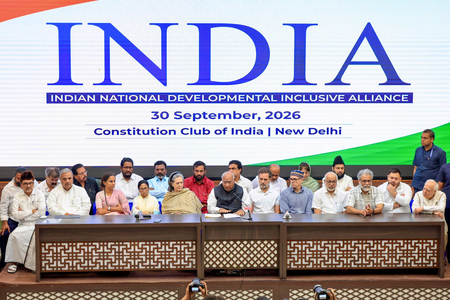
The Legislative Council results arrived at a critical juncture for the broader opposition coalition known as the INDIA bloc, which had been gearing up for a major rally against alleged vote theft. The clean sweep by the BJP‑led NDA undercut the bloc’s claim that the electoral system was fundamentally compromised. By winning every contested seat, the BJP not only reinforced its own legitimacy but also forced the opposition to confront a stark reality: without representation in these upper houses, the INDIA bloc’s capacity to challenge the ruling party’s agenda would be severely limited.

Four seats will not bring down the Karnataka government. But four defeats, zero wins and an opposition alliance that has demonstrated its ability to coordinate — that is a combination the Congress leadership will have to take seriously.” Here are Sneha Koshy’ 5 takeaways from the Karnataka MLC elections. . . . . . #karnatakanews #karnatakapolitics #karnatakacongress #DKShivakumar #Congress #KarnatakaMLCElections @SnehaMKoshy
The arithmetic of the day is stark. Out of 28 seats contested across four states, the Congress party secured none. The BJP, by contrast, walked away with all 28, a 100 % success rate that amplified its narrative of inevitability. The result also highlighted a geographic spread: the BJP’s dominance was not confined to a single region but spanned the Hindi‑heartland of Uttar Pradesh, the western powerhouse of Maharashtra, the eastern stronghold of Bihar, and the southern state of Karnataka. For a party that has long prided itself on being a pan‑Indian force, the outcome was a sobering reminder of the challenges it faces in rebuilding a cohesive opposition front.

As the dust settles on the October 28 elections, the political calculus in New Delhi has shifted. The BJP can now point to a flawless performance in a multi‑state contest that used the very ballot‑paper system the opposition championed. For Congress, the task is more daunting: rebuilding credibility, re‑energizing a base that has just watched its candidates finish at the bottom of the poll sheet, and devising a strategy that can translate dissent into seats. The emoji‑laden taunt from the prime minister may have been a moment of viral levity, but it also encapsulated a deeper narrative—one where the ruling party’s confidence is buoyed by a series of decisive victories, and the opposition is forced to reckon with a series of stark defeats.
In the weeks that follow, the BJP is likely to leverage its clean sweep as evidence of a robust democratic process, while the Congress must grapple with the reality that its leadership ambitions have been dealt a severe blow. The upcoming rally by the INDIA bloc will now be framed against a backdrop of electoral loss, testing whether the coalition can rally support without any legislative foothold in the four states that just voted. For observers, the October 28 MLC elections serve as a microcosm of India’s larger political battle: a contest not just of votes, but of narratives, legitimacy, and the ever‑shifting calculus of power.