
On the night of October 18, 2026, Russian forces launched a series of ballistic missile strikes against Ukraine’s infrastructure. The attacks hit multiple regions and targeted energy facilities, leaving a significant number of households without electricity. According to reports, the strikes damaged over ten energy infrastructure objects and resulted in power outages for at least 550,000 families. The assault also involved a large number of unmanned aerial vehicles, with Russian forces deploying hundreds of drones alongside the missiles.
The following night, October 19, 2026, saw another round of Russian missile attacks on Ukraine. This second barrage again focused on Kyiv and its surrounding region, as well as other parts of the country. The pattern of strikes continued to concentrate on energy and infrastructure, while also hitting civilian facilities such as medical clinics, schools, metro stations, and residential buildings. The attacks were described as occurring in several waves throughout the night, underscoring the sustained nature of the assault.
Across the two nights, Russian forces employed a total of sixteen ballistic missiles. In addition to the missiles, the aggressor launched a substantial drone campaign, with counts indicating either 200 or 269 unmanned aerial vehicles used in the strikes. The repeated use of both ballistic missiles and drones illustrates a coordinated effort to overwhelm Ukrainian defenses and cause widespread disruption.
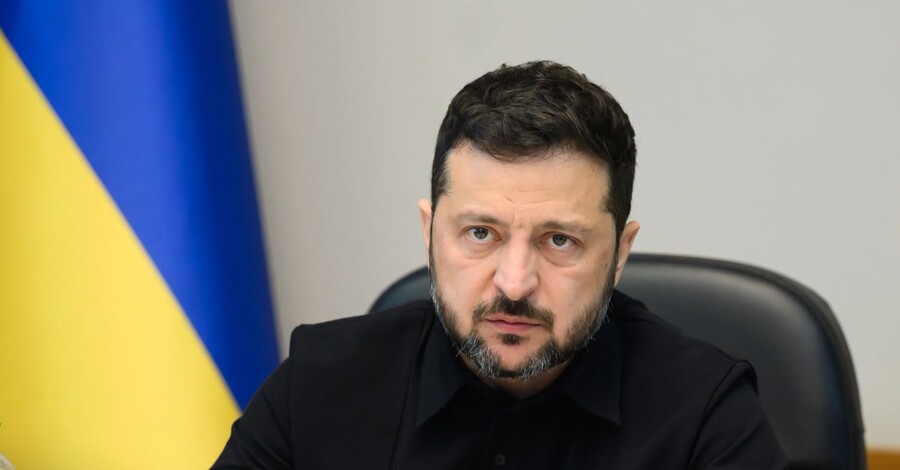
President Volodymyr Zelensky publicly condemned the lack of advance notice from Ukraine’s partners before the attacks.
The missile and drone strikes caused immediate and tangible harm to Ukraine’s power grid. More than 550,000 families were left without electricity as a result of the damage to energy infrastructure. Repair crews were dispatched to the affected sites to begin restoration work, but the scale of the outages highlighted the vulnerability of critical services to sustained aerial bombardment.
Beyond the energy sector, the attacks struck a range of civilian locations. Reports confirm that a medical clinic, a school, a metro station, and ordinary residential buildings were hit. The targeting of such facilities underscores the broad scope of the assault, extending beyond purely military objectives.
President Volodymyr Zelensky publicly condemned the lack of advance notice from Ukraine’s partners before the attacks. He stated that, despite the repeated waves of ballistic missile strikes during the night, no warning was received from allies. Zelensky emphasized that the absence of timely alerts hampered Ukraine’s ability to prepare and respond effectively to the incoming threats.
In his remarks, Zelensky urged the international community to clearly label Russia as the aggressor and to provide stronger support for Ukraine’s defense capabilities. He stressed that Ukraine had responded positively to every peace overture from partners, yet the aggression continued. Zelensky argued that supplying additional air defense resources, including missiles, would help Ukraine protect its population and infrastructure from future barrages.
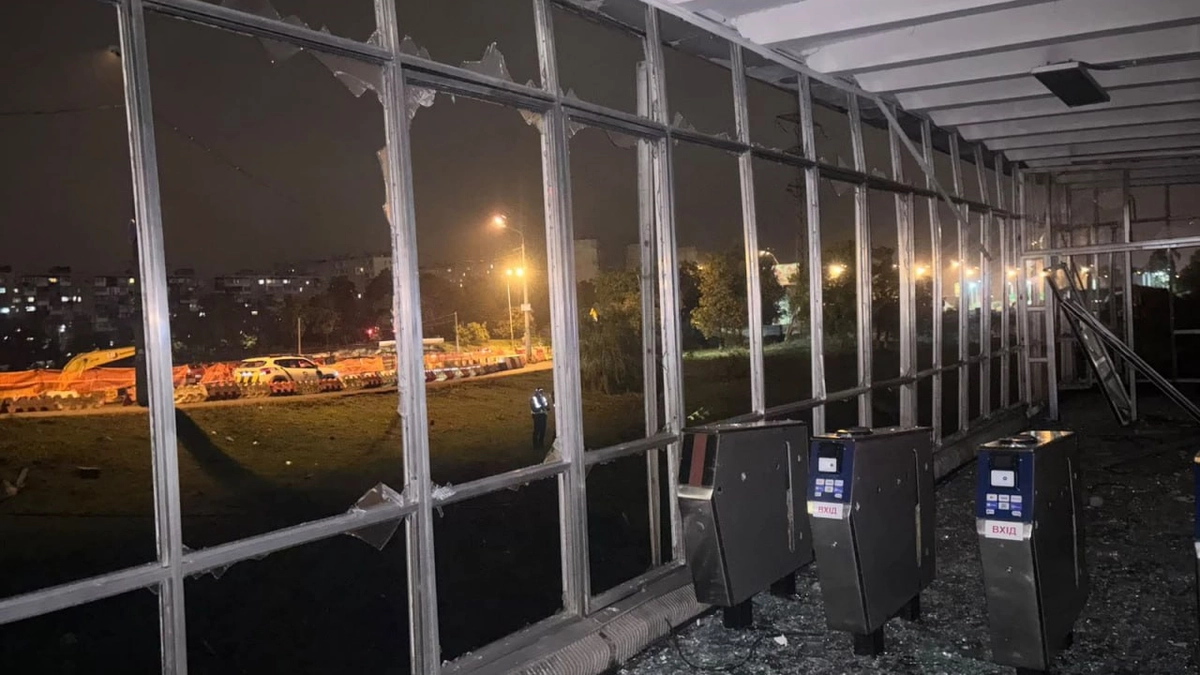
Despite the inability to intercept any of the ballistic missiles during the attacks, Ukrainian authorities mobilized repair teams to address the damage. Crews worked on restoring power to the affected families and repairing the damaged infrastructure, medical facilities, schools, and residential buildings. The response highlighted the resilience of Ukrainian services even as they faced sustained aerial pressure.
The October 2026 missile and drone strikes are part of a larger pattern of Russian aggression against Ukraine. Zelensky noted that the war persists due to ongoing Russian actions and the insufficient de‑escalation efforts from the international community. He warned that without meaningful deterrence and continued support, similar attacks could recur, further endangering civilian life and critical services.
As of the latest reports, Ukraine continues to grapple with the aftermath of the October strikes while maintaining vigilance against future threats. The need for timely warnings, robust air defense, and sustained international solidarity remains central to Kyiv’s strategy for protecting its people and infrastructure.