
On a February evening in 2023, the swanky private‑members’ club Tape in Mayfair—known for its velvet ropes and glittering clientele—became the unlikely backdrop for a confrontation that would ripple through the music industry. Chris Brown, then 37, found himself in a physical altercation with Abe Diaw, a music producer who had worked with the singer on several tracks. Brown, reportedly armed with a tequila bottle, struck Diaw, an act that escalated into a full‑blown brawl.
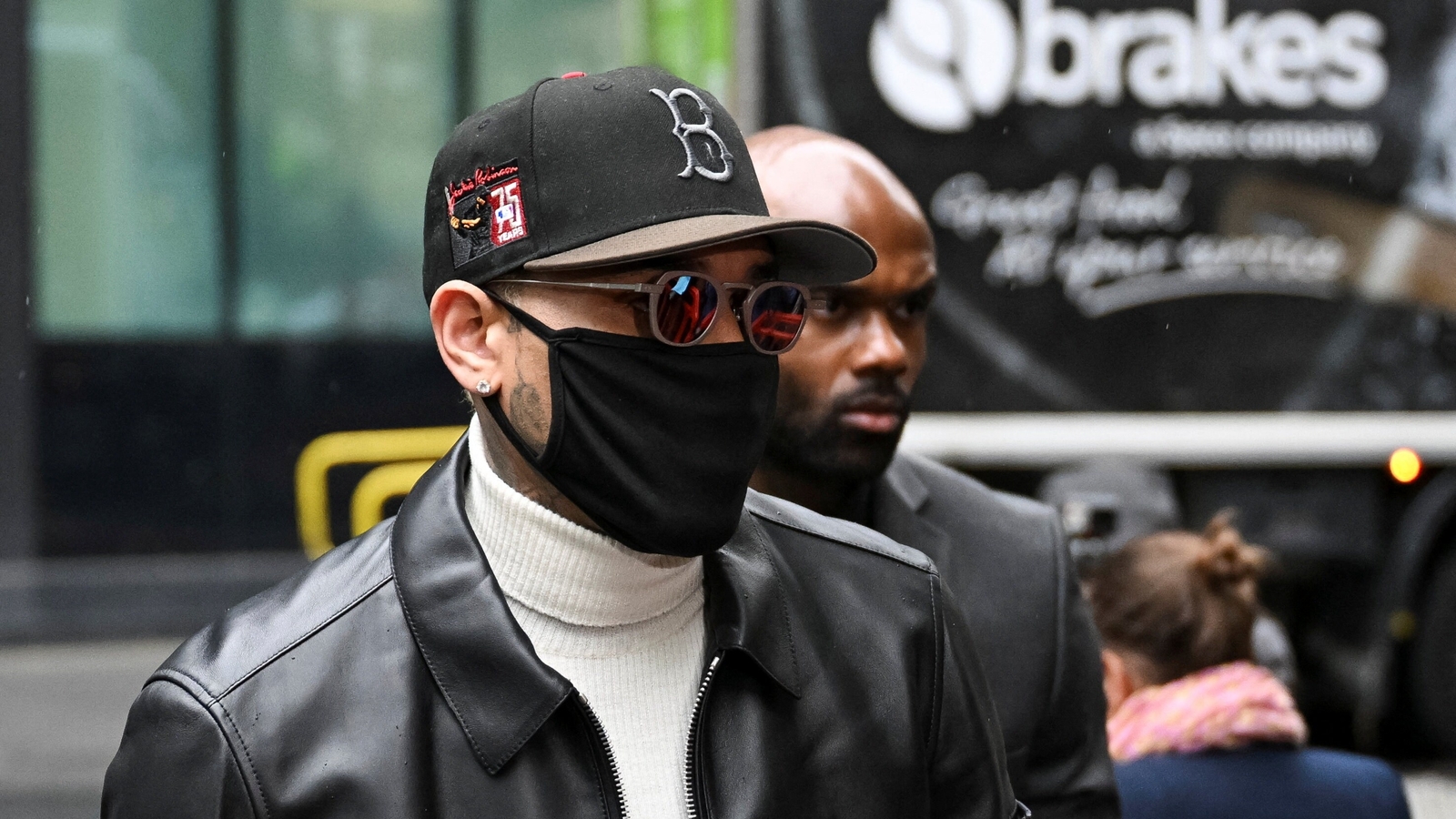
The incident, which drew the attention of the club’s security and the local police, saw Brown initially detained. He was later released on a £5 million security deposit, a figure that underscored the seriousness with which the authorities treated the case. The event was not an isolated flashpoint; it was the latest in a series of legal troubles that had followed Brown since his 2009 assault on Rihanna.
When the case went to court, Brown pleaded guilty to affray—a charge that covers violent conduct in public that disturbs the peace. Judge Tony Baumgartner, presiding over the matter, delivered a verdict that balanced the severity of the offense with mitigating factors. Brown received an eight‑month sentence of imprisonment, but it was suspended for 12 months. In other words, Brown would not serve time unless he reoffended within that period.
Akinlolu had also pleaded guilty to affray in the same incident and received a four‑month suspended sentence.
The judge’s remarks were stark: “The repeated use of a glass bottle in that way, especially aimed at the head, was plainly dangerous. It carried the risk of delivering a more serious injury than was ultimately sustained.” The statement highlighted the court’s view that Brown’s actions were not merely a momentary lapse but a deliberate, potentially lethal assault.
Brown’s vocal coach, Omololu Akinlolu, 40, was not spared from the legal fallout. Akinlolu had also pleaded guilty to affray in the same incident and received a four‑month suspended sentence. The parallel sentences underscored that the court saw the attack as a collective act rather than an isolated solo offense.
Both men’s sentences were suspended, a decision that reflects the court’s recognition of their clean records in recent years. Yet the judge’s cautionary tone suggested that any future misconduct could trigger the activation of these suspensions.
The case served as a reminder that commercial success does not guarantee preferential treatment in the legal system. The court’s emphasis on the seriousness of the assault, coupled with the substantial security deposit, sent a clear message: no amount of chart‑topping hits or lucrative contracts can eclipse the law.
Brown’s history—including the 2009 incident—was acknowledged, but the judge noted that the singer had maintained a clean record in the years leading up to the Tape brawl. This nuance offered a glimpse into the court’s attempt to weigh past transgressions against recent behavior.

Chris Brown is being sentenced today at Southwark Crown Court for affray over a 2023 London nightclub attack. https://t.co/DkBchAuRs4
The judge’s own words, emphasizing the danger of the bottle, added a layer of gravity to the public discourse.
The case also highlighted the role of security deposits in high‑profile criminal proceedings. The £5 million figure—far beyond what most defendants would be expected to pay—underscored the seriousness with which the authorities treated the threat posed by the accused.
As of the latest reports, Chris Brown remains free, with his eight‑month sentence suspended for a year. The court’s decision stands as a cautionary tale for celebrities who may believe that fame shields them from accountability. The case also reminds the public that the legal system will scrutinize the use of potentially lethal weapons—even a simple glass bottle—when used in a violent context.
For Brown, the verdict is a reminder that the music industry’s bright lights can be eclipsed by the stark glare of the courtroom. For the broader public, it reinforces the principle that the law applies uniformly, regardless of status or success.