In the coastal stretches of Tamil Nadu, the landscape of Indian aerospace is undergoing a fundamental transformation. This site is a cornerstone of a broader strategic pivot by the Indian Space Research Organisation (ISRO) to scale its capacity for a global market.
ISRO is targeting the establishment of four functional launch pads by 2029. This expansion is intended to provide the necessary throughput to handle a surge in mission frequency, ensuring that India can keep pace with the rising global demand for satellite deployment.
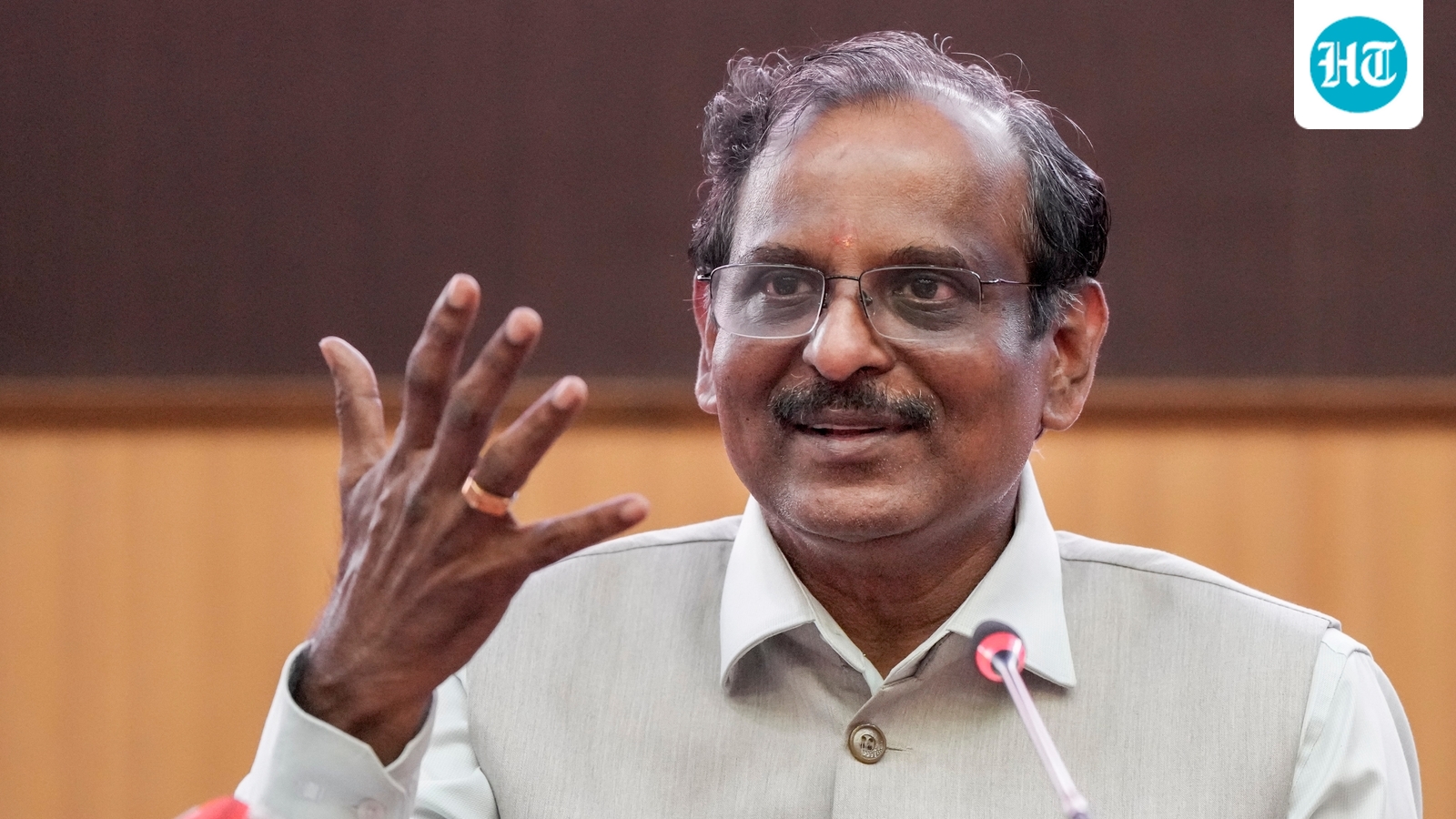
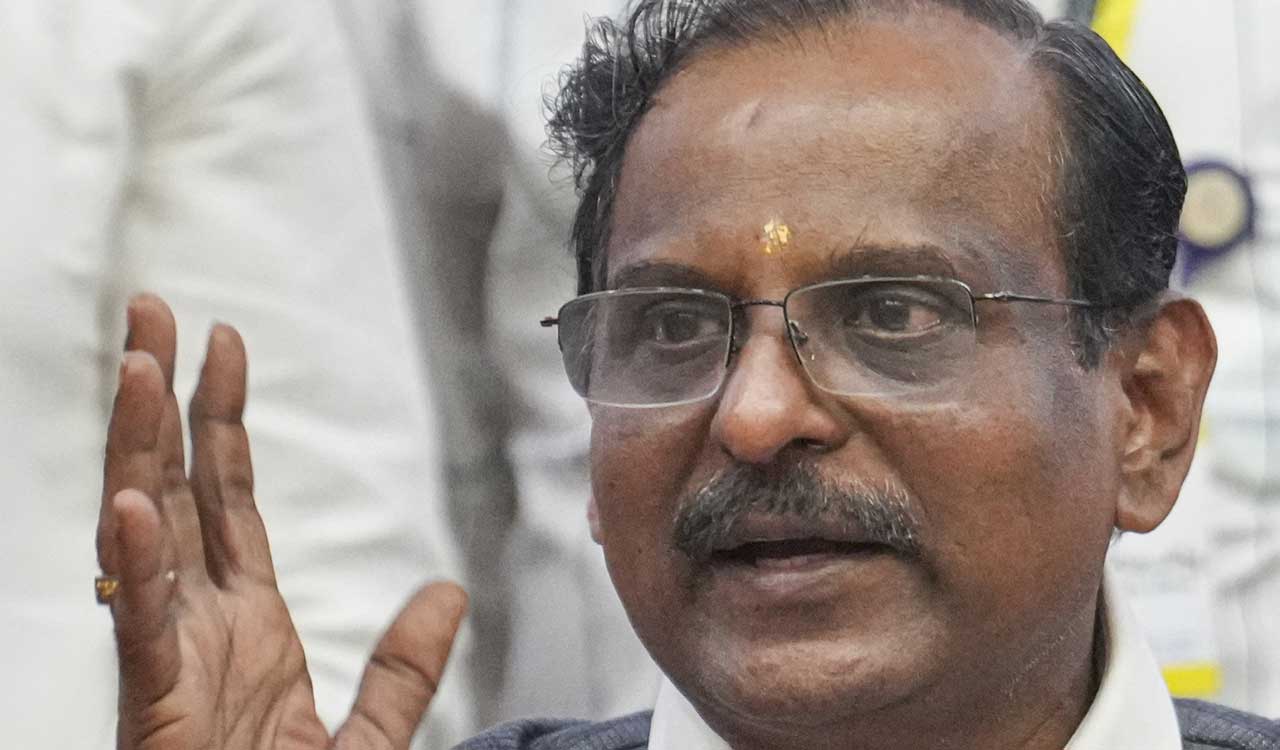
"India will expand its space operations significantly with four functional launch pads by 2029, supported by an increasing reliance on private industry partnerships to handle commercial operations," Narayanan noted, signaling a shift in how the agency views its role in the commercial ecosystem.
Before the first astronauts ascend, the agency is following a disciplined, step-by-step approach to risk management.

ISRO Chairman V Narayanan has said that India will expand its space operations significantly with four functional launch pads by 2029. https://t.co/csV19eTSgF
While the infrastructure grows on the ground, the most profound challenges are being met in the atmosphere. The Gaganyaan mission—India's ambitious endeavor to send humans into space—represents a massive leap in technical complexity. This is not a mission that can be attempted lightly; the safety and reliability of crewed flight require an unprecedented level of verification.
Before the first astronauts ascend, the agency is following a disciplined, step-by-step approach to risk management. The roadmap dictates a series of uncrewed Gaganyaan tests, designed to validate the systems and life-support technologies in a real-world environment without human risk. These critical tests serve as the final proving grounds before the mission transitions to its crewed phase.

🚨 “ISRO will not be privatised, some of its operations will be performed by the private sector on a commercial basis.” - ISRO chairman V Narayanan. https://t.co/uUuLholWlT
India’s gaze is also fixed firmly on the lunar surface, extending its reach far beyond Earth's orbit. The agency is looking toward the future with plans for upcoming missions like Chandrayaan-5. This underscores the evolving nature of space exploration, where the complexity of lunar science necessitates a focus on future mission development.
As the timeline moves toward 2029, the convergence of new launch pads, dedicated SSLV complexes, and future lunar missions suggests a nation in the midst of a profound technological ascent. From the commercial partnerships that drive economic scale to the rigorous testing of crewed flight systems, the architecture of India's space program is being rebuilt to support a much larger, much more frequent presence in the stars.

ISRO will have four launch pads by 2029, says Chairman V Narayanan https://t.co/yb94ht1XVC https://t.co/cUhgwvRI7Y