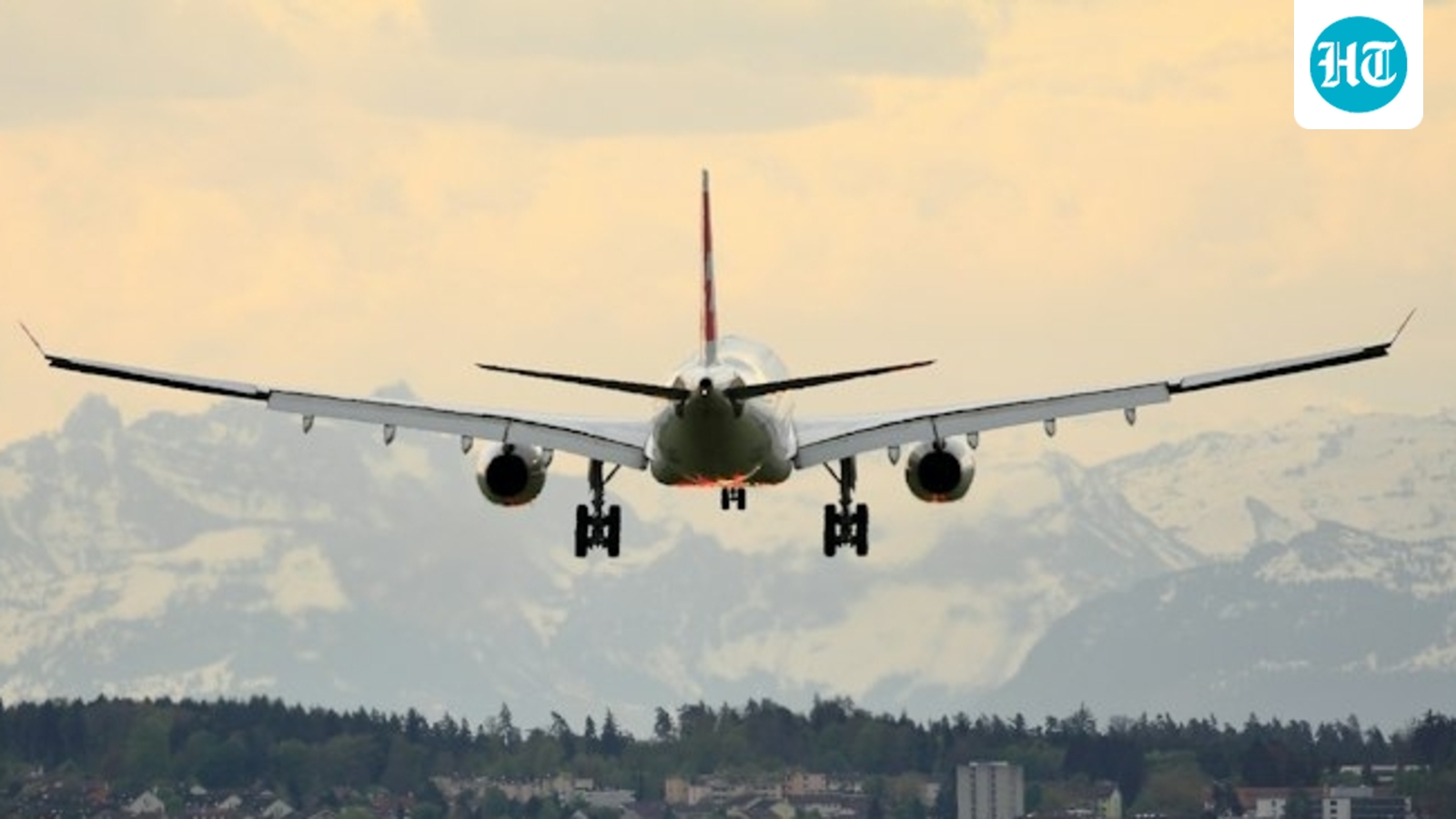
A flight that should have been a routine connection between Tel Aviv and Vienna instead became a security operation over southeastern Europe. Austrian Airlines flight OS82 was on the Tel Aviv-Vienna route when the crew received an unspecified threat. The decision to divert is the standard protocol for an in-flight security alert: the safest place is the nearest suitable airport where emergency services can take over. Sofia was chosen, and the aircraft made an emergency landing there on 2026-10-18.
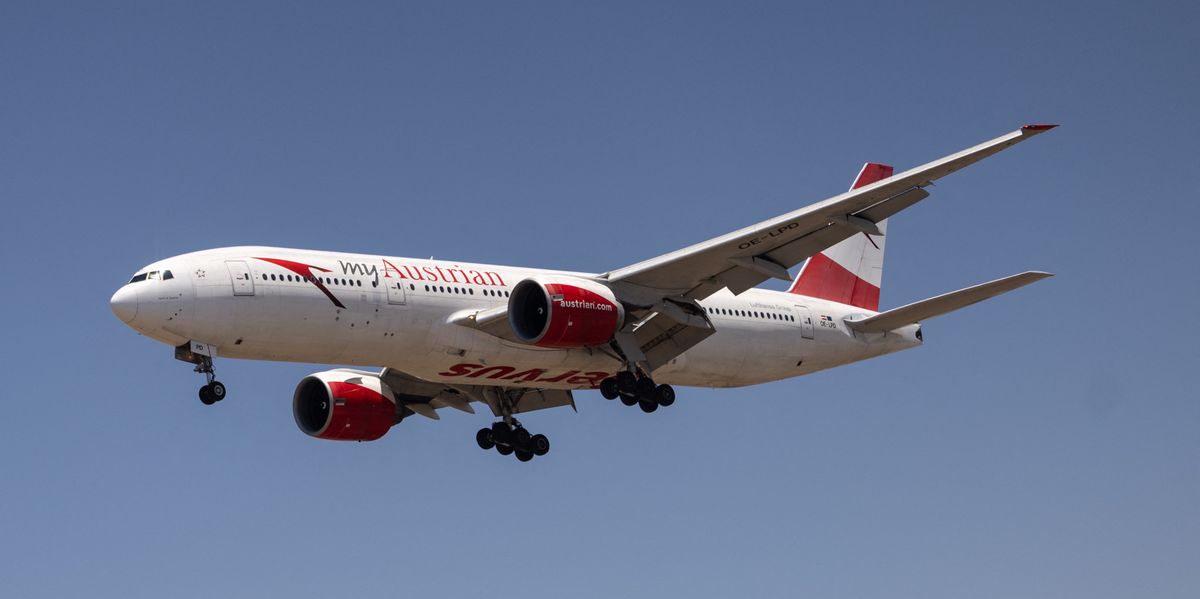
The route itself is familiar to travelers linking Israel with Austria, but on this day it carried 57 passengers who expected a short flight to Vienna. Instead they were headed for an unscheduled stop in Bulgaria, a country that sits on the corridor between the two capitals and operates the airport infrastructure needed for a rapid response.
Once a threat is declared, civilian air traffic control coordinates with military authorities. In this case a Bulgarian Air Force fighter jet accompanied the aircraft until landing. Source reporting describes the escort as a MiG-29, a fighter used for air policing missions that can visually identify a civilian aircraft and ensure it follows a cleared path to the ground.
Austrian Airlines established a crisis cell and an investigation is underway.
Escorts are not theatrical. They are a practical way to maintain control of an aircraft that may be considered a risk until it is on the ground and secured. For passengers inside, the sight of a military jet is a visible signal that the threat is being treated as real, even if the nature of the threat remains unspecified.
After landing in Sofia the priority shifts from getting down safely to getting people off safely and securing the aircraft. Passengers and crew were evacuated, and a security search was conducted on the plane. Evacuation means moving everyone away from the aircraft to a safe area where they can be accounted for, medically checked if needed, and kept separate from the aircraft while specialists work.
A search of an aircraft after a bomb threat is methodical and time-consuming. Teams work through the cabin and cargo areas, checking for any item that could match the threat description. Until the aircraft is cleared it remains isolated. That is why rebooking becomes the next operational concern: passengers will be rebooked as soon as possible, a phrase airlines use when the original service is suspended and alternative connections must be arranged.
Austrian Airlines established a crisis cell and an investigation is underway. A crisis cell is the internal command structure airlines activate for serious disruptions. It coordinates communications with authorities, passenger care, crew support, and the operational recovery of the flight. An investigation in parallel is led with aviation security and law enforcement to determine the origin and credibility of the threat.

The bomb threat against the flight is recorded in the chronology on 2026-10-19, a day after the emergency landing date noted for 2026-10-18. The discrepancy reflects how reporting and official logging can be staggered around an incident that unfolds in real time and is then documented by different agencies.

Flight from Tel Aviv to Vienna makes emergency landing after bomb threat | Sky News #Israel #TelAviv #Vienna https://t.co/yjzvLkfDbf
The Sofia diversion is not an isolated event in the current security environment. The incident follows another security breach on a flydubai flight and similar deployments of fighter jets in Croatia and Germany. That pattern matters because it shows how threats to air travel are being handled across borders with comparable tools: diversion to a safe airport, military escort, evacuation and search, and a formal investigation.
For travelers, the takeaway is the visibility of the response. A bomb threat, even when it proves unfounded, triggers a full response because the cost of underreacting is unacceptable. The combination of a diverted flight, a fighter escort, an evacuation, and a crisis cell is the system working as designed, even as it disrupts 57 passengers and a crew who were simply trying to reach Vienna.
Where things stand now is a grounded aircraft under examination, passengers being rebooked, and authorities continuing the investigation into the unspecified threat that forced an Austrian Airlines flight from Tel Aviv to land in Sofia.