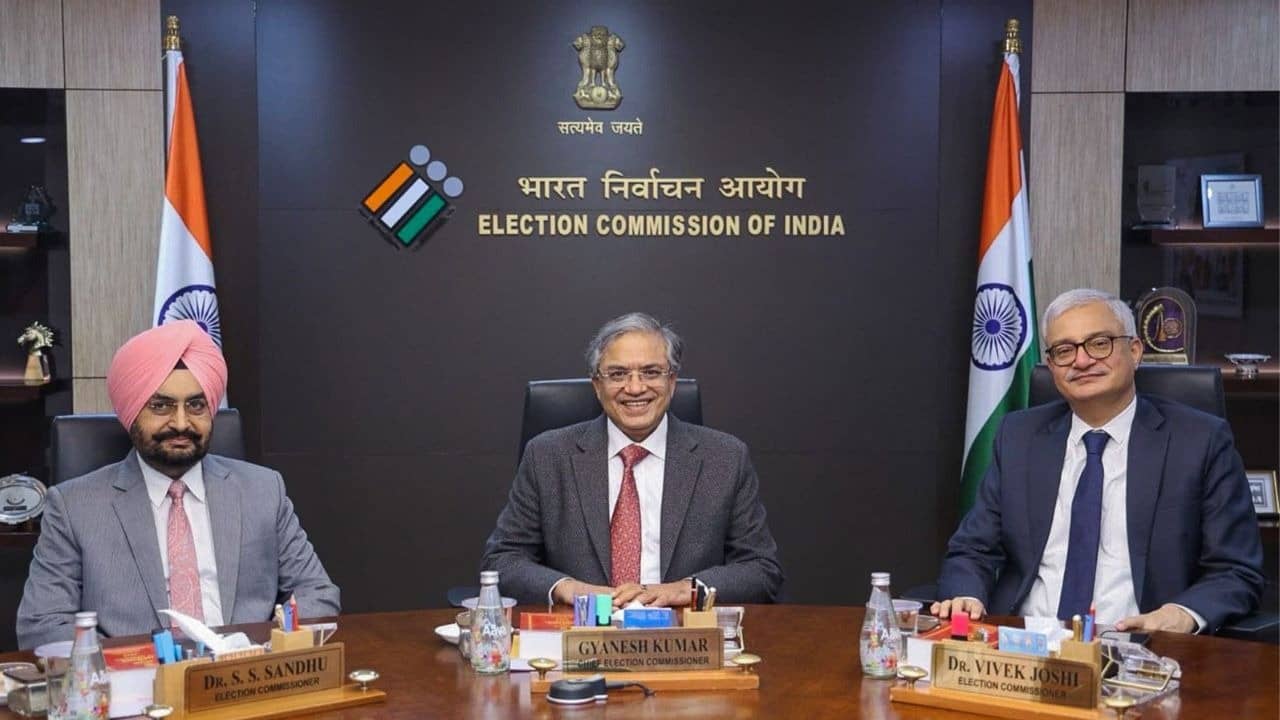
On October 30, 2026, the Election Commission of India announced an extension of the Special Intensive Revision (SIR) timetable for electoral rolls in five states and the national capital. The move comes after months of intensive campaigning and a nationwide voting exercise that began on May 14, 2023. By stretching the deadline, the commission hopes to capture every eligible citizen before the final lists are printed on November 30 for Maharashtra, Haryana, Andhra Pradesh, Telangana and Nagaland, and on December 22 for Delhi.

SIR is the last, meticulous sweep of the voter register before an election. It allows individuals to file claims and objections if they believe their names are missing, duplicated, or otherwise incorrect. Because the integrity of the rolls directly influences who can cast a ballot, the commission treats the revision as a cornerstone of a free and fair election. Extending the schedule does not alter the underlying election calendar; rather, it adds a buffer for administrative processing and dispute resolution.

Election Commission of India (@ECISVEEP) posts on X, "Revised SIR Schedule for Maharashtra – Extension of Dates as Follows:" https://t.co/SXwUvjj2Us
Each state now follows a staggered set of deadlines. In Maharashtra, the window for filing claims and objections has been pushed to November 13, with a subsequent notice‑issuance and disposal period running until November 25. Haryana and Andhra Pradesh share a common disposal deadline of November 20, meaning any pending objections must be settled by that date. Telangana’s disposal deadline lands on November 26, while Delhi’s filing deadline is November 25 and its disposal deadline is December 15. These dates are designed to give election officials enough time to verify documents, cross‑check databases, and issue corrected entries before the final roll is frozen.
553 million) have yet to cast a ballot, underscoring the importance of a clean roll for both participation and legitimacy.
The extended timetable aligns with the conclusion of voting in each region. Haryana completed its polling on November 25, Maharashtra on November 26, and Andhra Pradesh, Nagaland and Telangana on November 30. By setting the final publication date for all five states on November 30, the commission ensures that the rolls reflect the most recent voting activity. Delhi, whose polling phase concluded later, will see its definitive list published on December 22, giving the capital’s officials a longer runway to incorporate any last‑minute changes.

Top 10 stories of the day: 1. Day after SC nudge, Delhi’s deadline for voter registration forms extended; reopened for Maharashtra, 4 other states https://t.co/FBT7IX119E
The scale of the exercise is staggering. The E‑SARATH platform, which facilitated electronic voting, recorded a total of 4.55 crore (45.5 million) registered voters. Of those, 75.53 lakh (7.553 million) have yet to cast a ballot, underscoring the importance of a clean roll for both participation and legitimacy. These figures illustrate why the commission is cautious: even a small error can disenfranchise thousands in a country of over a billion people.
While the voting phase wrapped up in late November, the work of translating those votes into an accurate, immutable register continues. The SIR process acts as a bridge between the act of voting and the administrative record that will be used for future elections. By extending deadlines, the commission acknowledges the logistical challenges of processing millions of claims across diverse states, each with its own bureaucratic nuances.

The Election Commission of India has extended the SIR deadline for six states and UTs, including Maharashtra, Delhi, Andhra Pradesh, Haryana, Telangana and Nagaland. The decision was taken on October 29 after requests from the Chief Electoral Officers of those states and UTs. Read Here: https://t.co/QuK9owmUQ8 #ElectionCommission #SIR #Delhi #Maharashtra #DNA
For ordinary citizens, the extended deadlines translate into more time to verify that their names appear correctly. A resident of West Delhi, for example, can still submit a claim until November 25 and expect a resolution by December 15. In Maharashtra, a farmer who discovers an omission can file by November 13 and await a notice by November 25. The staggered approach also reduces the risk of a backlog that could delay the final publication.
When the November 30 and December 22 cut‑off dates arrive, the Election Commission will publish the definitive voter rolls for the six jurisdictions. Those lists will serve as the legal foundation for any subsequent electoral contests, from local body elections to the next general election. The extended SIR timeline, while a procedural adjustment, reinforces the commission’s commitment to inclusivity and accuracy—a message that resonates in a nation where every vote carries profound weight.