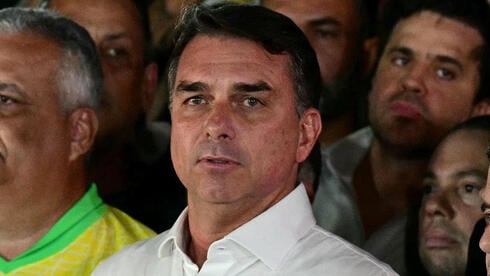
In the days following the election, the political landscape in Brazil shifted with startling speed. Following the victory of Luiz Inácio Lula da Silva in the presidential election, the atmosphere in the capital remained charged with tension. It was against this backdrop that Senator Flávio Bolsonaro, a defeated candidate who had refused to concede the race, found himself at the center of a significant judicial intervention. Supreme Court Justice Alexandre de Moraes issued a formal order requiring the senator to surrender his passports and effectively barred him from leaving the country. This move, which arrived in the immediate wake of the election results, signaled a dramatic escalation in the scrutiny facing the Bolsonaro family.
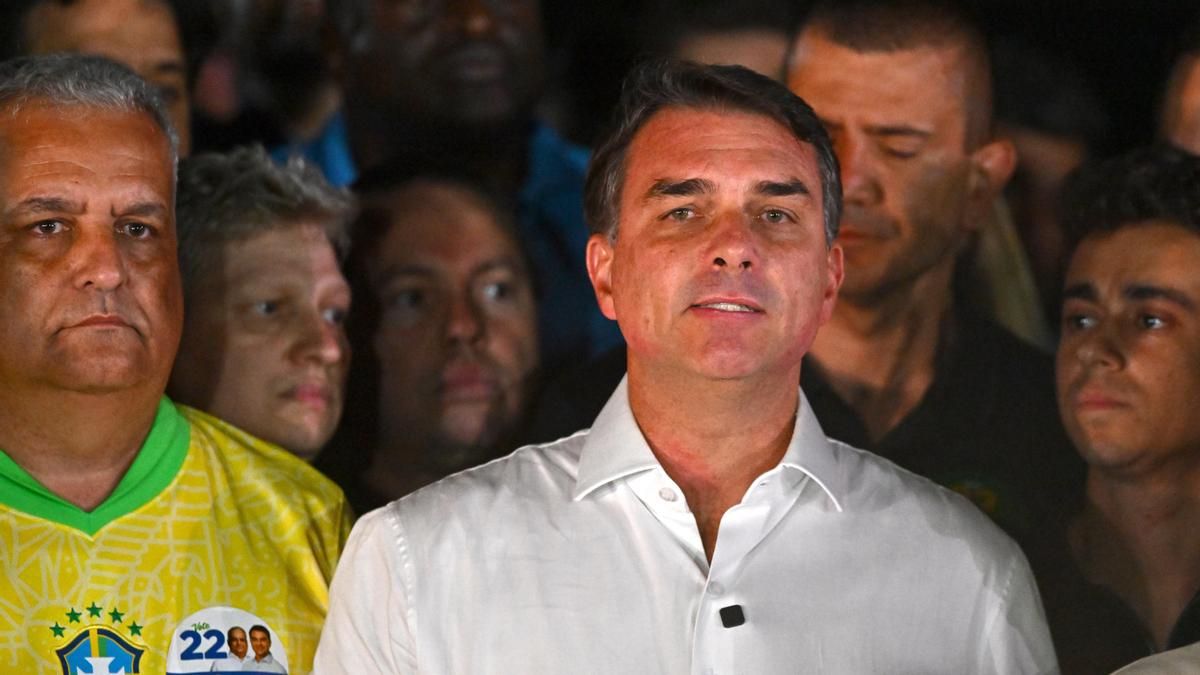
The rationale behind the Supreme Court's decision appears rooted in concerns over flight risk. The judicial order was prompted, in part, by public comments made by Eduardo Bolsonaro, the senator's brother, who had suggested that Flávio should consider leaving the country in the event of an electoral loss. For the judiciary, these remarks provided a sufficient basis to suspect that the senator might attempt to evade the reach of Brazilian law. By stripping the senator of his travel documents, the court sought to ensure his presence as various legal inquiries proceed.
The legal pressure on Flávio Bolsonaro is not limited to the recent election. The senator is currently entangled in complex investigations that predate his presidential bid. These inquiries center on allegations of money laundering and the potentially illegal financing of a film project centered on his father, which are connected to the judicial order requiring him to surrender his passports.
Having already challenged the legitimacy of the election results, he has framed the court’s intervention as a politically motivated act of intimidation.
Flávio Bolsonaro’s response to the judicial order has been one of defiance. Having already challenged the legitimacy of the election results, he has framed the court’s intervention as a politically motivated act of intimidation. He has consistently maintained that irregularities occurred during the voting process, a stance that has kept him at odds with the electoral outcome that saw Luiz Inácio Lula da Silva ascend to the presidency. To the senator, the passport mandate is not a neutral administrative act, but a calculated effort to silence his opposition.
Flávio Bolsonaro responded to the judicial order by emphasizing his innocence and framing the decision as politically motivated. He stated he would hand over his passports and defend himself against what he described as an attempt to intimidate him, while insisting he never considered leaving the country. He framed his compliance as part of a larger battle for his reputation, declaring that he would not be silenced.
As the dust settles on the election, the standoff between Flávio Bolsonaro and the Supreme Court highlights the deep divisions within Brazil. The intersection of electoral defeat, ongoing financial investigations, and the aggressive use of judicial power has created a volatile environment. For now, the senator remains in the country, his movements restricted, while he prepares to contest the accusations against him. The episode serves as a stark reminder of the high stakes involved in the current political climate, where the boundaries between legal accountability and political suppression are being tested in real time.

Trump says Brazil election looked ‘rigged’ after Bolsonaro loses https://t.co/VLOwW1lRrr