In the Serdivan district of Sakarya, a fundamental expectation of the food supply chain—that what is on the label is what is in the package—was shattered. What was presented as traditional sausage, a staple of the local diet, was revealed to be something entirely different upon closer inspection. The discovery did not just represent a culinary error; it represented a significant breach of food safety and consumer trust.
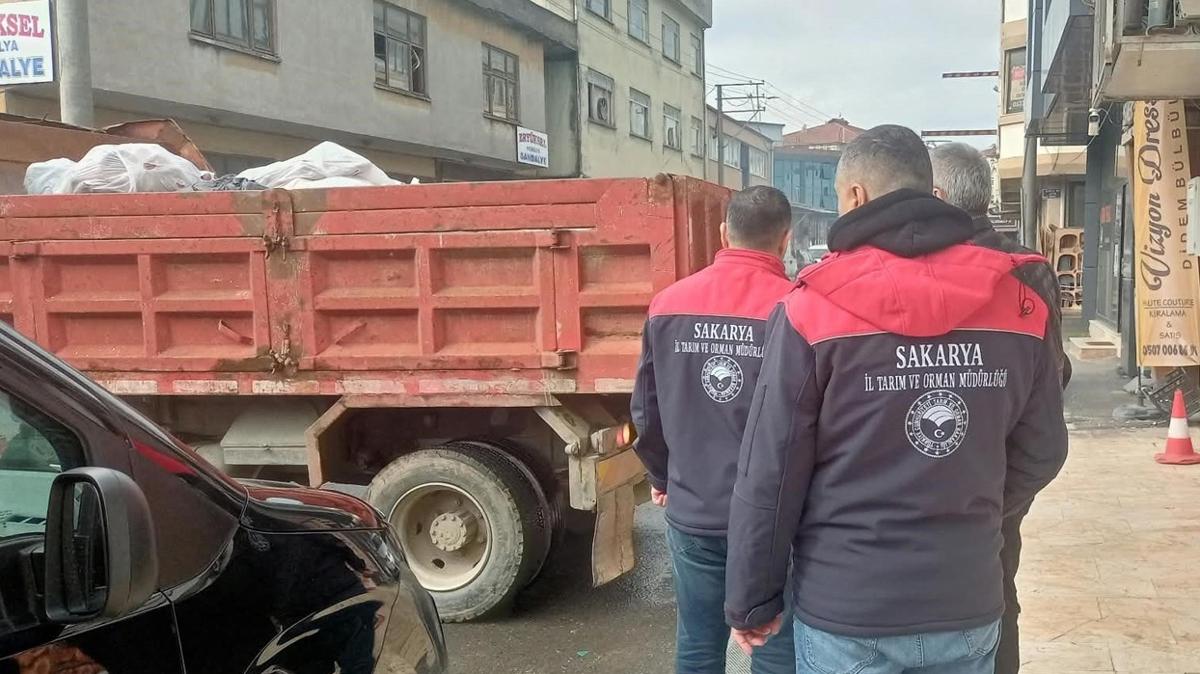
The scale of the discrepancy was massive. During a series of inspections conducted by the Agriculture and Forestry Provincial Directorate, officials uncovered 2.6 tons of sausage products. The sheer volume of the haul—2.6 tons of meat—suggests that this was not an isolated batch or a minor clerical error in a recipe, but a substantial operation involving a significant quantity of mislabeled goods.
As the Agriculture and Forestry Provincial Directorate carried out its oversight, the testing process revealed a startling reality: the sausages contained pig meat. In a region where dietary laws and consumer preferences are strictly observed, the presence of pig meat in products sold as standard sausage is a critical violation. The inspectors' ability to identify the specific composition of the meat is the primary line of defense between the producer and the unsuspecting consumer.
This was not merely a disposal of spoiled goods, but a controlled destruction of products found to be fraudulent.
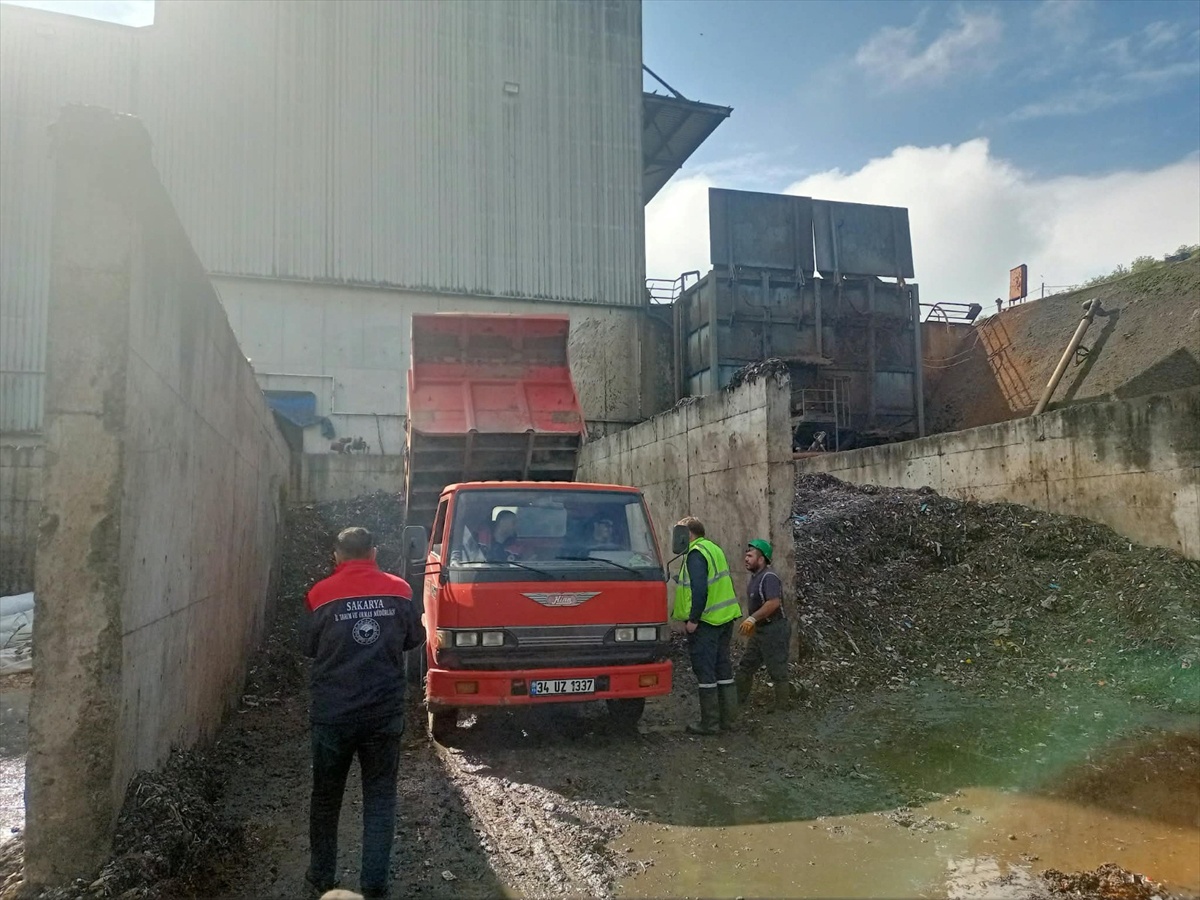
Once the presence of pig meat was confirmed, the authorities did not wait for the products to reach the market. The 2.6 tons of sausage were intercepted before they could be offered for sale. This preemptive strike ensured that the mislabeled goods remained within the control of the state rather than ending up on grocery store shelves or dinner tables.
On October 28, 2026, the process of rectification began in earnest. The 2.6 tons of sausage were destroyed to ensure they could never enter the food chain. This was not merely a disposal of spoiled goods, but a controlled destruction of products found to be fraudulent. The physical removal of the meat from the market served as the first step in addressing the scale of the deception.
The consequences for the business involved were swift and absolute. Following the discovery, the facility's operations were terminated, effectively closing the business. Beyond the immediate cessation of activity, the authorities also applied an administrative fine to the entity. The closure serves as a definitive end to the business's ability to operate under its current practices.
The matter has moved beyond simple administrative penalties. A criminal complaint has been filed regarding the incident, signaling that the authorities view this as more than a regulatory lapse. By initiating legal proceedings, the state is moving the case into the judicial system to determine the full extent of the liability and the legal repercussions for those responsible for the mislabeling.
As the dust settles in Sakarya, the Agriculture and Forestry Provincial Directorate has made its position clear. The directorate emphasized that there will be no leniency when it comes to ensuring reliable food. They have signaled that inspections will continue uninterruptedly, framing this incident as a catalyst for continued, rigorous oversight of the food industry to prevent similar breaches of trust in the future.