
Recently, the diplomatic landscape surrounding the ongoing conflict in Ukraine shifted. Russian President Vladimir Putin began engaging in direct communications with European leaders. These high-level phone calls involved Finnish President Alexander Stubb and Norwegian Prime Minister Jonas Gahr Støre. These calls aimed to explore the prospects of a peaceful settlement and de-escalation of the conflict.
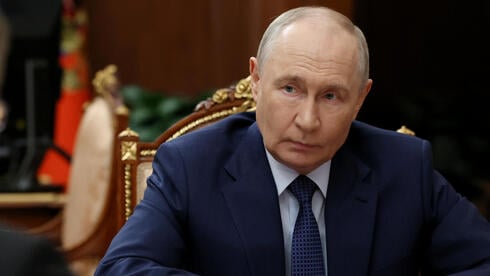
Finnish President Alexander Stubb emphasized the importance of direct negotiations. He stated, 'We are neighbors of Russia. How the conflict ends will affect the security of Finland and Norway, and more broadly, the entire European Union. Direct negotiations are needed to end the war.' Stubb’s comments reflect the concern over the conflict’s impact on regional stability. His call with Putin was part of a series of discussions aimed at promoting dialogue and de-escalation.
The phone calls between Putin and the Finnish and Norwegian leaders were part of a larger effort to revive trilateral consultations involving the United States and Ukraine. According to reports, these talks could be held in the United Arab Emirates in November. The previous trilateral talks, held in Oslo, involved US envoy Steve Wightoff, Ukrainian President Volodymyr Zelensky, and Finnish and Norwegian leaders. These discussions were critical in laying the groundwork for future peace talks.
The Finnish and Norwegian leaders also initiated a series of phone calls with Ukrainian President Volodymyr Zelensky to discuss the war and peace efforts.
The calls between Putin and the Finnish and Norwegian leaders were significant as they represented direct contacts between Putin and leaders supporting Kyiv. These leaders have been vocal in their support for Ukraine. Their discussions with Putin centered on the ongoing war and the need for direct talks. Norwegian Prime Minister Jonas Gahr Støre highlighted the importance of de-escalation, stating, 'Страдания и разрушения скажутся на целых поколениях. В ходе телефонного разговора мы подчеркнули важность деэскалации.' This statement underscores the long-term impact of the conflict and the need for peace.
The Finnish and Norwegian leaders also initiated a series of phone calls with Ukrainian President Volodymyr Zelensky to discuss the war and peace efforts. These calls were conducted as representatives of their respective countries. The discussions were open and substantive, with Stubb noting, 'The discussion was frank and substantive. We are neighboring countries to Russia. The outcome of this war will have a direct impact on our and the broader European security. Ending the war requires direct discussions.'
The calls between Putin and the Finnish and Norwegian leaders were part of a larger effort to prepare for upcoming meetings in Abu Dhabi and planned trilateral talks. These discussions were aimed at ensuring that all parties involved in the conflict are prepared for future negotiations. The calls between Putin and European leaders underscore the complexity of the situation and the need for sustained diplomatic efforts.
During the process, the focus of the talks with the US and Ukraine has been to reach a peaceful settlement and ensure security. This goal aligns with the objectives of the leaders, who have been advocating for a peaceful resolution to the conflict. The calls between Putin and the Finnish and Norwegian leaders represent a step forward in the diplomatic efforts to de-escalate the situation and bring about a lasting peace.

The diplomatic efforts involving Russian President Vladimir Putin, Finnish President Alexander Stubb, and Norwegian Prime Minister Jonas Gahr Støre mark a new phase in the resolution of the Ukraine conflict. These high-level phone calls and the discussions that followed represent a commitment to de-escalation and direct negotiations. While the road ahead remains challenging, these efforts provide hope for a peaceful resolution.