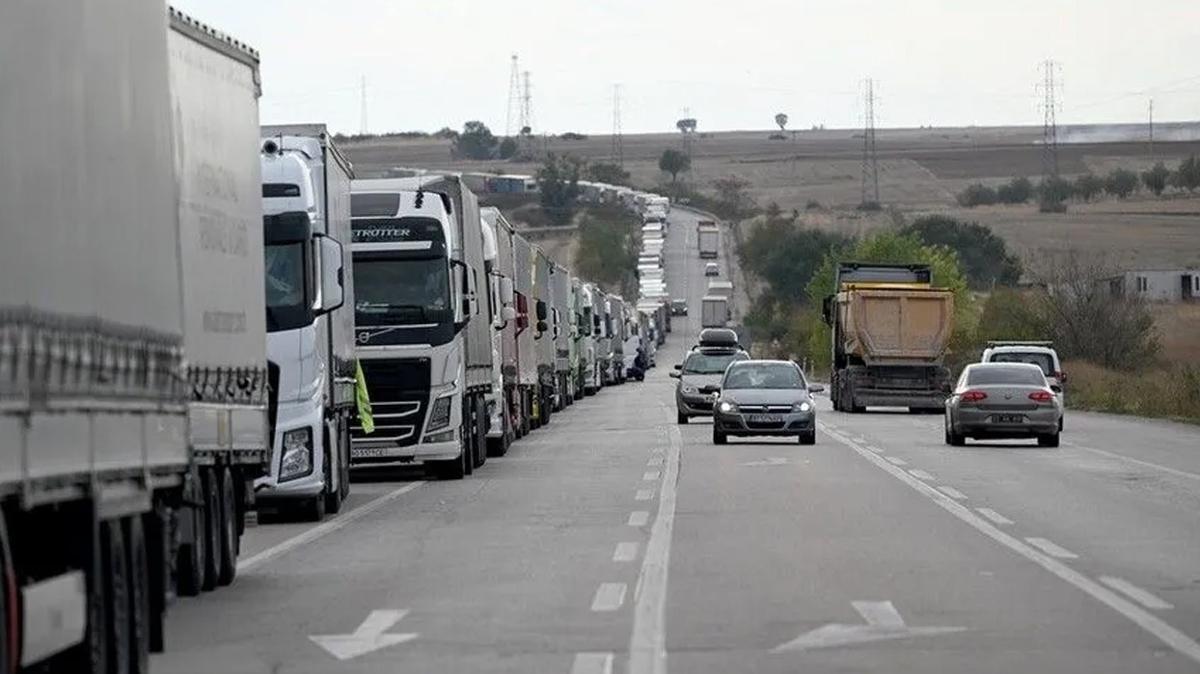
On October 29, 2026, Minister of Trade Ömer Bolat took the first step in addressing these issues. Bolat, a key figure in the government, recognized the urgency of the situation and began discussing solutions with his Bulgarian counterparts and EU representatives. His efforts were part of a broader initiative involving the Ministries of Interior and Transportation, all working in concert to ensure the smooth continuation of international transportation.
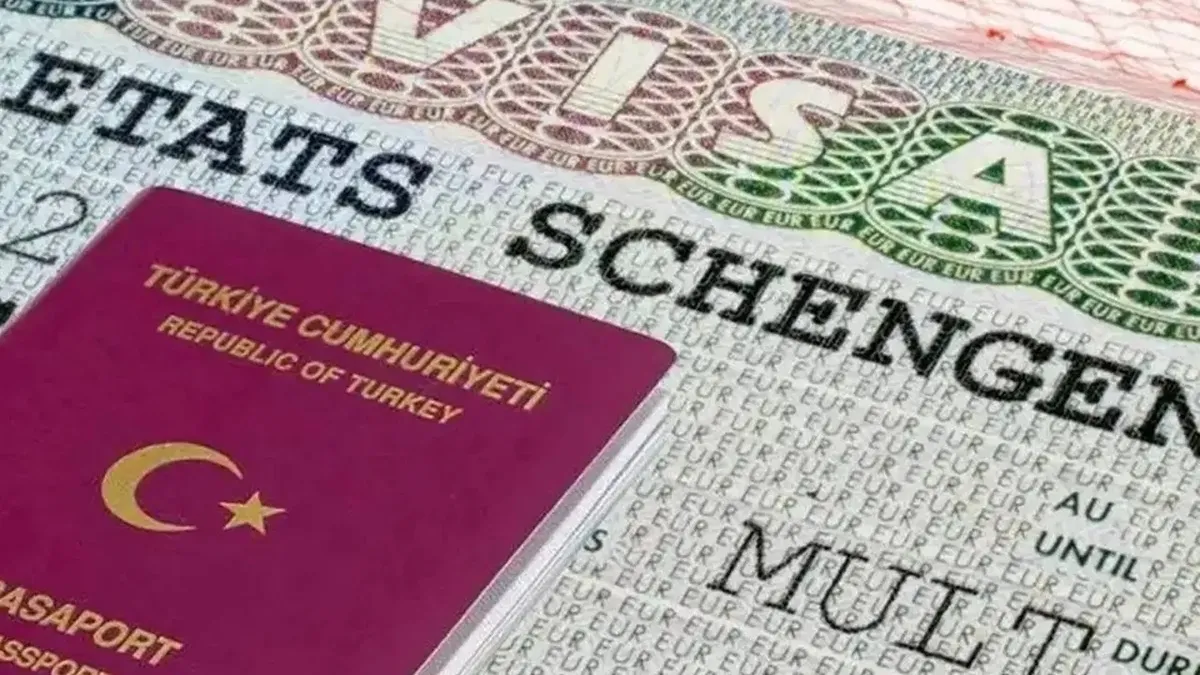
In a meeting that took place on the same day, Minister Bolat met with Bulgarian officials and EU representatives. His primary goal was to secure visa facilitation and prioritize the processing of drivers' documents. This diplomatic effort was crucial because it involved multiple stakeholders, each with their own interests and responsibilities. Minister Bolat's role was pivotal in coordinating these efforts, ensuring that the voices of truck drivers were heard at the highest levels.

Brought my entire life story to VFS for a Schengen visa today 🇪🇺 https://t.co/NIW5YUAQ5x
The Ministry of Trade's diplomatic efforts were complemented by the actions of the Ministry of Interior and the Ministry of Transportation. These ministries were tasked with ensuring the smooth operation of border crossings and the welfare of drivers. The Transport Minister, who was also present at the meeting, emphasized the importance of resolving these issues to support international transportation and export activities. This multi-ministry approach was necessary to address the complex nature of the problem, which involved both domestic and international factors.
The visa issues faced by Turkish truck drivers are not just a personal inconvenience; they have broader implications for the Turkish economy.
The Ministry of Foreign Affairs also played a supportive role in these efforts. Minister Hakan Fidan, a key figure in the government, recognized the importance of maintaining good relations with Schengen countries. His ministry worked closely with the Commerce and Transportation Ministries to ensure that diplomatic channels were open and that the interests of Turkish drivers were represented effectively. This collaboration was essential in navigating the intricate web of international relations and ensuring that the government's efforts were well-coordinated.
The visa issues faced by Turkish truck drivers are not just a personal inconvenience; they have broader implications for the Turkish economy. The Ministry of Trade emphasized the importance of resolving these issues to maintain international trade and the livelihoods of drivers. The economic impact of these visa issues cannot be understated, as the trucking industry is a vital component of the Turkish export sector. The government's efforts to address these issues are part of a larger strategy to ensure the continued growth and stability of the economy.
As the government continues to work on resolving these visa issues, the future of international transportation remains uncertain. The success of the current efforts will depend on the continued cooperation and coordination between the Ministries of Trade, Interior, Transportation, and Foreign Affairs. Minister Ömer Bolat's diplomatic efforts have set a positive tone for these negotiations, but the road ahead is likely to be challenging. The government's commitment to resolving these issues is clear, but the long-term impact on the trucking industry and the broader economy will depend on the effectiveness of these efforts.
The current situation faced by Turkish truck drivers in Schengen countries is a complex and multifaceted challenge. The government's response, involving multiple ministries and diplomatic efforts, is a testament to the importance of international cooperation and coordination. As the government continues to work on these issues, the future of international transportation in Turkey remains uncertain, but the commitment to resolving these challenges is a positive step forward. For drivers like those crossing at Edirne, Kapıkule, and Hamzabeyli, the hope is that these efforts will lead to a smoother and more efficient journey across borders, ensuring the continued growth and stability of the trucking industry and the broader Turkish economy.
1. Minister Ömer Bolat held discussions with Bulgarian and European Commission counterparts on October 29, 2026. 2. The Ministry of Trade, along with the Ministries of Interior and Transportation, is working to resolve visa issues for Turkish truck drivers. 3. The government is committed to ensuring the smooth continuation of international transportation and the welfare of drivers.
"The government's efforts to address these issues are part of a larger strategy to e