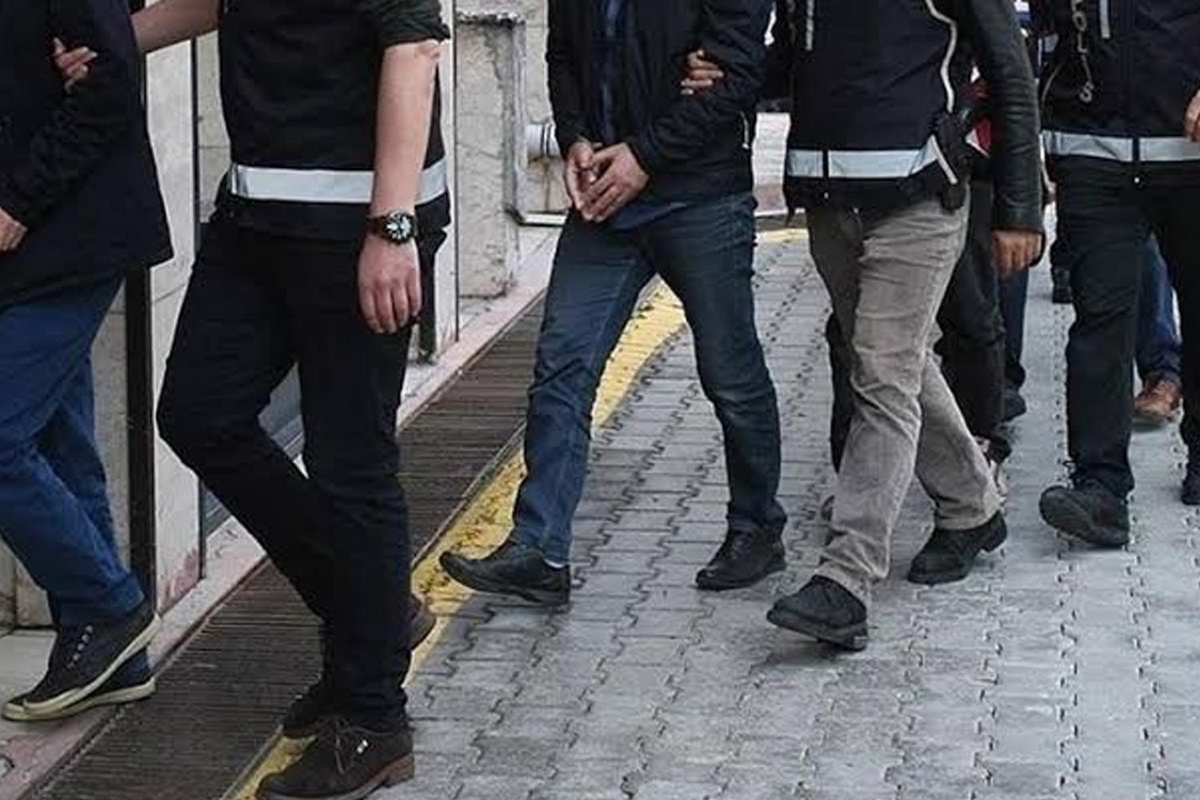
On 2026-10-20, the Istanbul Cumhuriyet Chief Public Prosecutor’s Office initiated a coordinated operation that targeted sixty individuals suspected of running a lucrative visa consulting racket. For many onlookers, the operation felt like a scene from a crime drama, but for the authorities, it marked the culmination of months of investigative work aimed at dismantling a shadowy industry that had quietly amassed a fortune.

Visa consulting, in its legitimate form, offers guidance to citizens navigating the often-bureaucratic process of obtaining travel documents for work, study, or tourism abroad. In Turkey, a country with a sizable diaspora and a population eager for overseas opportunities, such services can be a lifeline. The total income tied to these activities was estimated at approximately 370 million Turkish lira, a figure that underscores both the scale of the operation and the vulnerability of citizens seeking legitimate pathways abroad.
This legal step allows authorities to hold the suspects while the investigation continues, ensuring that evidence is preserved and that there is no risk of flight. The prosecutor’s office announced that the investigation remains ongoing, promising further updates as new information emerges. In the Turkish judicial system, such operations often lead to a series of pre-trial hearings, during which prosecutors must substantiate the charges with documentary evidence, witness testimony, and financial records. The outcome—whether the suspects will face trial, plea bargains, or other legal resolutions—will depend on the strength of the case assembled over the coming weeks and months.
For ordinary Turkish citizens, the operation serves as both a warning and a reassurance.
For ordinary Turkish citizens, the operation serves as both a warning and a reassurance. On one hand, it highlights the perils of entrusting visa applications to unverified intermediaries—a practice that, while tempting for its promise of speed and success, can expose applicants to fraud and legal jeopardy. On the other hand, the decisive action taken by the Istanbul Cumhuriyet Chief Public Prosecutor’s Office demonstrates a governmental commitment to policing the sector and protecting consumers.
As the investigation unfolds, the broader narrative will likely focus on how such a lucrative scheme could operate under the radar for so long. Analysts may examine regulatory gaps, the allure of rapid visa procurement, and the socioeconomic pressures that drive individuals toward unofficial channels. For now, the immediate focus remains on the legal proceedings and the potential impact on the visa consulting industry in Turkey.