The Tai Po fire shattered the relative calm of Hong Kong, marking the beginning of a period of profound national grief. The inferno claimed the lives of 168 people, leaving a scar on the city that would prove impossible to ignore. Beyond the staggering loss of life, the disaster displaced 1,984 families, upending the lives of thousands and forcing the government to confront the systemic failures that allowed such a catastrophe to occur.

The city waited for answers. An independent committee report eventually arrived, painting a grim picture of negligence. The investigation identified that the fire was the direct result of misconduct within the private sector, compounded by decades of institutional failure across multiple government bodies. The report explicitly faulted the Housing Bureau’s independent checking unit, the Buildings Department, the Fire Services Department, and the Labor Department for significant deficiencies in their supervision work. The findings revealed a culture of complacency, where sub-standard building materials were permitted and fake information was routinely accepted in official paperwork.

John Lee apologises for Tai Po fire, unveils reforms as housing chief resigns https://t.co/SbwPl6HWcY
In the immediate wake of the report’s release, the political fallout was swift. Housing Secretary Winnie Ho announced her resignation to take political responsibility for the systemic failures that occurred under her watch. Her departure signaled a moment of accountability in a government that had long operated under the shadow of its own bureaucracy.
In a gesture of contrition, he acknowledged the immense pain and sorrow the disaster had inflicted upon the victims' families and society at large.
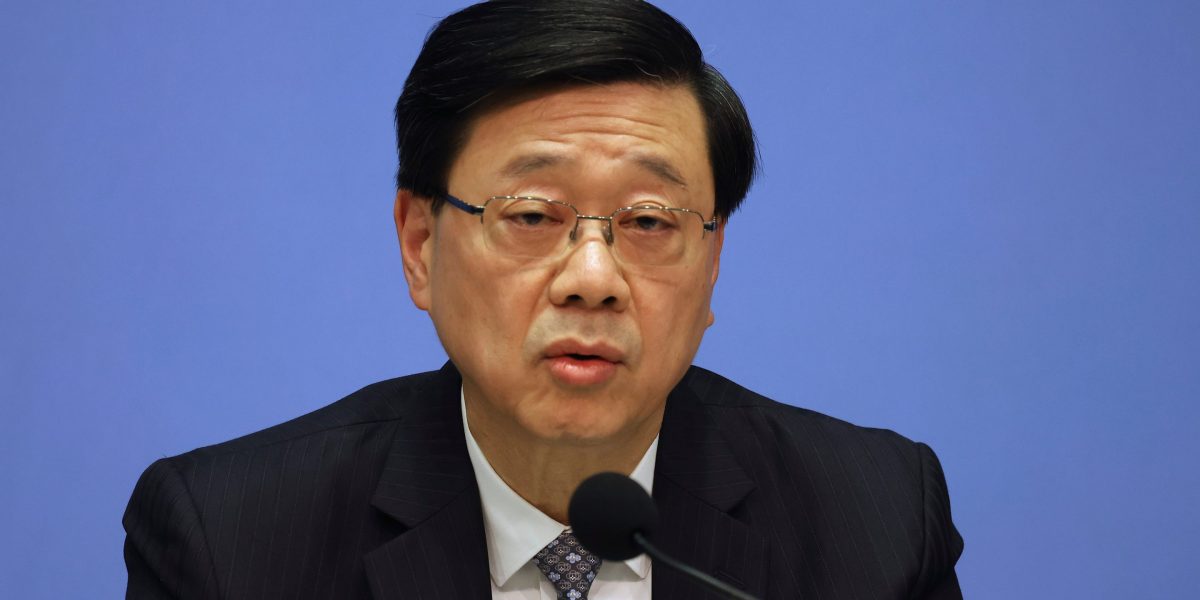
Chief Executive John Lee stood before the public to offer a somber apology. In a gesture of contrition, he acknowledged the immense pain and sorrow the disaster had inflicted upon the victims' families and society at large. "I am deeply sorrowful about the fire and on behalf of my government, I apologise to the victims as well as the city's residents," Lee stated. He emphasized that as the chief executive, he felt a profound duty to lead the government with full force in resolving these deep-seated problems.

Hong Kong leader John Lee apologises for deadly Tai Po fire https://t.co/knFZCmkiWJ
Beyond the apologies, the government outlined a path forward, vowing to implement extensive civil service and legislative reforms. John Lee promised a complete overhaul of the government departments identified in the report, aiming to dismantle the layers of negligence that had allowed the private sector to bypass safety regulations for years. These new measures are intended to act as a safeguard, ensuring that the regulatory failures of the past cannot be repeated.
As the city attempts to move past the tragedy, the scale of the investigation remains a testament to the severity of the event. For the residents of Hong Kong, the resignation of Winnie Ho and the promises of reform from John Lee are the first steps in a long process of healing. The government now faces the arduous task of rebuilding public trust, proving that the lessons learned from the 168 lives lost will lead to a safer, more transparent future.

The chief executive of Hong Kong, John Lee, has apologised for a massive fire that ripped through an apartment complex last year and killed 168 people. https://t.co/RCeTyXHiMH