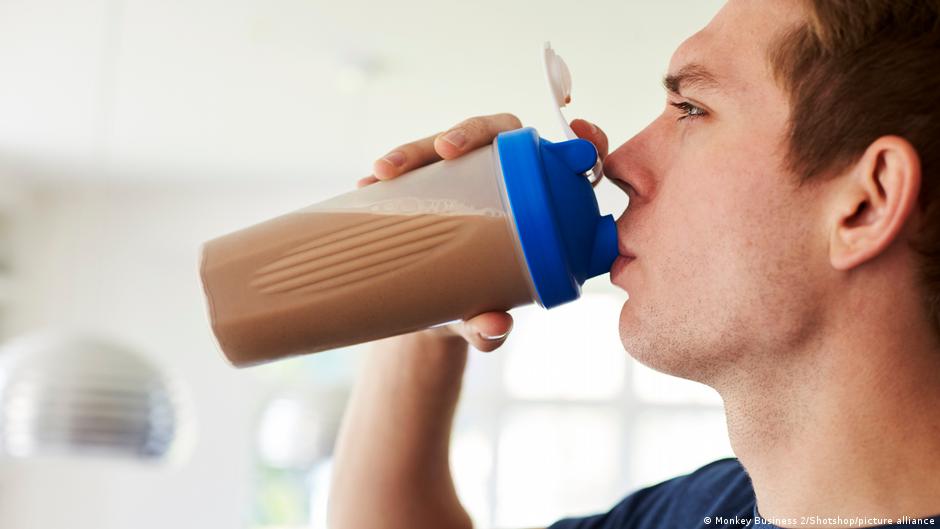
For decades, the nutritional landscape for teenagers was defined by school lunches, milk, and perhaps a bit too much pasta. But a new ritual is taking hold in kitchens and gyms across the globe: the protein shake. It is no longer just the domain of professional athletes or bodybuilders; it has become a mainstream fixture in the lives of younger consumers. This shift is not merely anecdotal. In a 2024 representative survey conducted by the University of Michigan, which spoke to almost 1,000 parents, the data revealed a significant trend: just under half of those parents reported that their children, aged 13 to 17, had consumed protein products at some point over the previous year.

This rise in consumption is mirrored by a massive surge in the commercial availability and popularity of these products. The market is responding to this demand with unprecedented speed. In Germany, for instance, the fitness protein product market experienced a dramatic shift in retail revenue. According to the statistics portal Statista, between March 2024 and March 2025, the market recorded a massive jump of approximately 25%. This rapid expansion suggests that protein supplements are moving from niche health aisles into the center of the retail experience, fueled by a culture increasingly focused on physical optimization.
To understand whether this trend is a nutritional breakthrough or a dietary mistake, one must look at the fundamental requirements of the human body. Protein is the building block of life, essential for repairing tissues and building muscle, but the amount required is not a one-size-fits-all figure. It is a calculation of biology, scaled to the individual. For a healthy adult, the German Nutrition Society (DGE) suggests a baseline of 0.8 grams of protein for every kilogram of body weight. To put that into perspective, a woman weighing 65 kilograms would require 52 grams of protein daily to meet this standard.
For a teenager weighing 45 kilograms, this translates to a daily requirement of 40.
However, the nutritional needs of a teenager are more complex than those of a settled adult. Because adolescents are in a state of constant physiological change, their bodies require more fuel to support the rapid development of bone, muscle, and organ systems. The DGE recommends that young people consume a slightly higher amount: 0.9 grams of protein per kilogram of body weight. For a teenager weighing 45 kilograms, this translates to a daily requirement of 40.5 grams. While this increase is modest, it highlights the specific biological demands of the growing years.
Interestingly, the nutritional requirements do not follow a simple linear path from childhood to adulthood. The biological needs of the very young and the very old actually exceed those of the middle-aged adult. For children aged one to four, and for individuals over the age of 65, the recommended formula rises again to one gram of protein per kilogram of body weight. This suggests that as the body moves through stages of rapid growth or the challenges of aging, the demand for these essential macronutrients becomes more acute.
While the drive toward higher protein intake is often motivated by fitness goals, there is a biological ceiling to how much the body can effectively utilize. The very trend driving the 25% market jump in Germany—the pursuit of more, faster—runs headlong into a cautionary note from nutritional experts. The DGE warns that consuming too much protein can be harmful in the long term. When the body is flooded with more protein than it requires for growth, maintenance, or repair, the consequences are not merely wasted calories; there are potential health implications that emerge over time.
As protein products become more integrated into the daily lives of teenagers, the conversation is shifting from whether they should consume protein to how much is truly necessary. The tension lies between the convenience of a quick shake and the precision of biological need. With nearly half of parents of teenagers reporting protein use, the era of the supplement is well underway, leaving families to navigate the narrow corridor between essential nutrition and the risks of excessive consumption.
