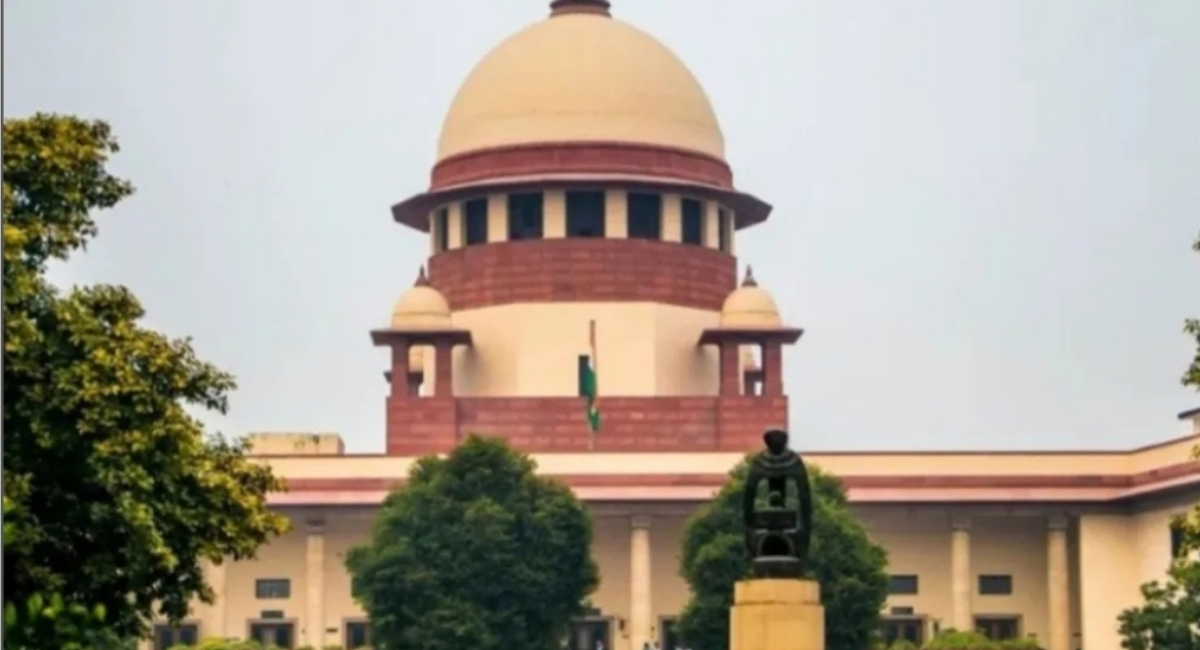
In a landmark decision, the Supreme Court of India has clarified the constitutional deadline for producing an arrested person before a magistrate, setting the clock from the moment of detention, not formal arrest. This ruling, which overturns earlier interpretations by lower courts, marks a significant step in ensuring that the justice system operates with greater transparency and accountability. The decision, made in Guwahati, underscores the court's commitment to upholding constitutional rights and preventing custodial violence.
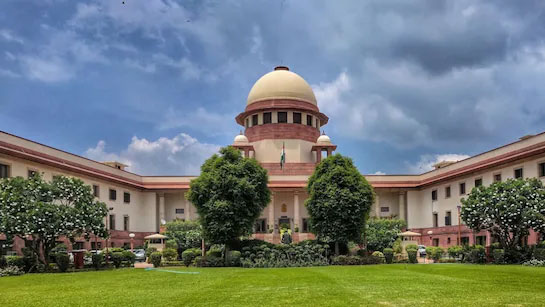
The Supreme Court's ruling is a direct response to the constitutional deadline set forth in Article 22(2) of the Indian Constitution and Section 56 of the Bharatiya Nagarik Suraksha Sanhita (BNSS). The court's decision is a clear statement that the 24-hour period is meant to be strictly adhered to, with no exceptions for pre-arrest detention time. The court emphasized the importance of recording the actual date and time of detention and independently examining compliance with the constitutional deadline. This move is seen as a significant step towards preventing illegal detention and ensuring that suspects are treated fairly.
The Supreme Court's ruling has significant implications for detention practices. The 24-hour deadline is designed to prevent suspects from being held for long periods without proper legal procedures. The Supreme Court's decision aims to ensure that suspects are brought before a magistrate within 24 hours of their detention, providing them with the opportunity to challenge the legality of their custody and seek legal representation.
The 24-hour deadline is designed to prevent suspects from being held for long periods without proper legal procedures.

The Supreme Court has ruled that the 24-hour period within which an accused person must be produced before a judicial magistrate begins from the time of detention, and not merely from the time of formal arrest. More details 🔗 https://t.co/1v4eSO5IyT Catch every update on the TOI App 👉 https://t.co/ogFaRsUKyn #SupremeCourt #SupremeCourtOfIndia #Arrest #Detention #RightToLiberty #FundamentalRights
The Supreme Court's ruling is a neutral stance, aimed at ensuring that the 24-hour deadline is strictly adhered to. The court's decision is seen as a step towards preventing custodial violence and ensuring that suspects are treated fairly. The ruling is expected to have a significant impact on detention practices across the country. The court's decision is also seen as a response to growing concerns about the treatment of suspects in custody and the need for greater transparency and accountability in the justice system.