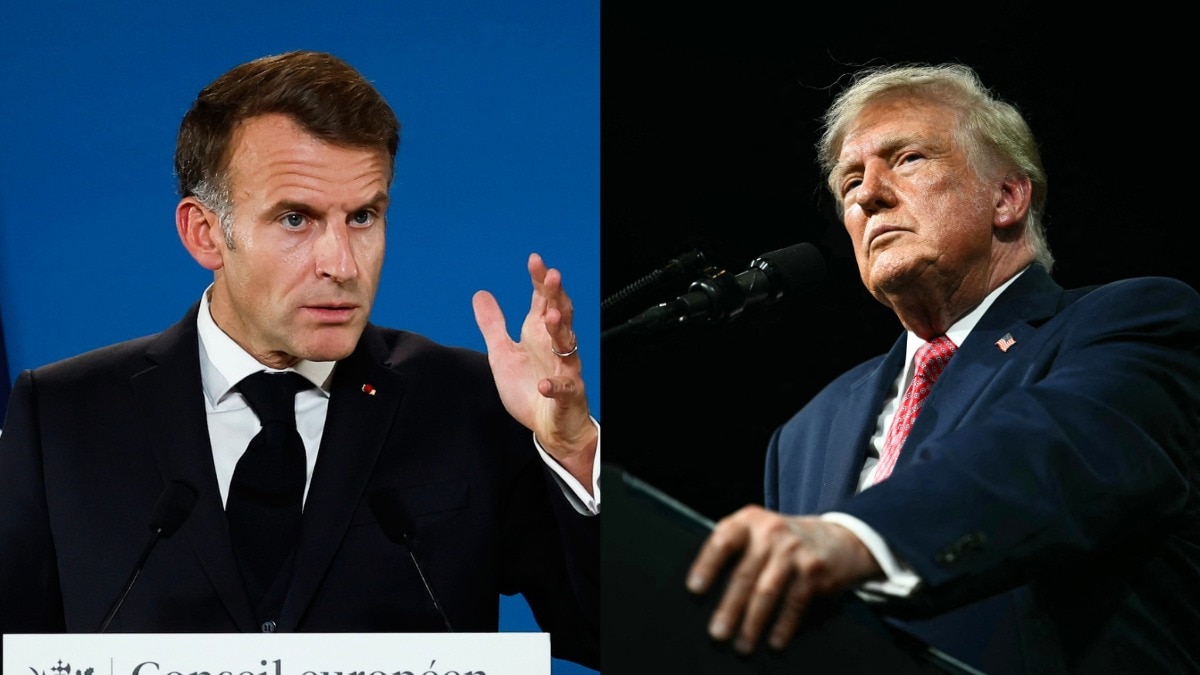
The political landscape in France shifted dramatically as President Emmanuel Macron turned his attention from the streets to the diplomatic corridors. While the nation was engulfed in nationwide protests, the French leader found himself engaged in a fierce debate with global powers regarding the narrative surrounding those unrests. The focus was a public confrontation over the integrity of information flowing into Paris.
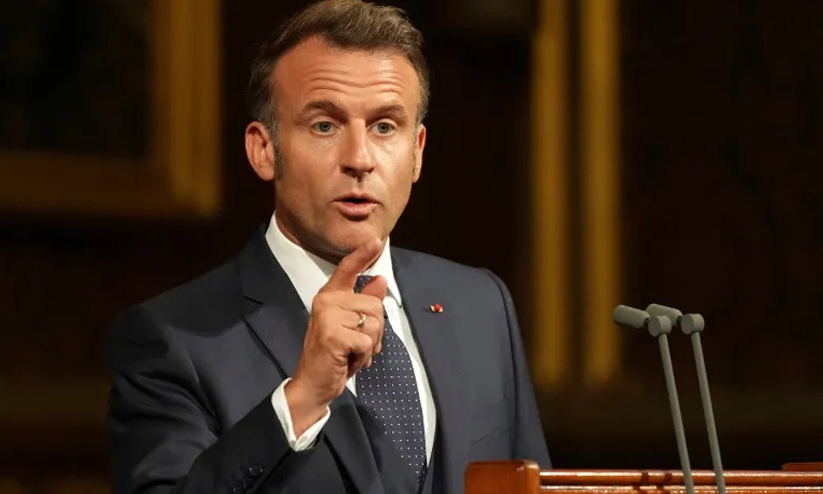
Macron had convened with ministers and intelligence representatives to assess the situation domestically. However, the conversation quickly pivoted outward. He identified that the primary source of irritation was not the unrest itself, but rather how foreign entities were interpreting it. He noted that what particularly irritates him are political leaders, "whether in our region or across the Atlantic, who trustingly repeat assertions generated by artificial intelligence, or narratives disseminated by certain propaganda circles." This statement signaled a broader war on disinformation, where the President sought to isolate the spread of false claims from the legitimate grievances of the French populace.
A significant portion of Macron's critique focused on the technological tools being used to manipulate public perception. He specifically highlighted the use of artificial intelligence-generated images in the context of the riots. By pointing out that leaders were repeating AI assertions, Macron underscored the modern challenge of verifying truth in an age of synthetic media. This was not merely a complaint about lies; it was a warning about the erosion of shared reality among democracies. The President argued that such content was being weaponized against the stability of the state.
It framed the unrest not just as a domestic issue, but as a potential tool for international leverage.

Macron attacks Trump: "France was not invaded by hordes of Muslim immigrants. Those images are false, it's AI and foreign manipulation." https://t.co/maBFwwcLgF
The criticism extended beyond regional neighbors to include American leadership. Macron publicly addressed comments made by other foreign leaders, including Donald Trump, accusing him of exploiting the situation for political gain. The President stated that because of this, comments have been made by others, including foreign leaders, which are absurd and unacceptable. This direct engagement with US leadership suggested that the French administration viewed the American approach to the crisis as opportunistic rather than supportive. It framed the unrest not just as a domestic issue, but as a potential tool for international leverage.
While the diplomatic front was heated, the internal machinery remained active. The meeting with ministers and intelligence representatives indicated a coordinated effort to manage the narrative within France. The President's focus on propaganda circles suggests that the government was actively monitoring external influence operations. This dual track—managing domestic security while countering international interference—highlighted the complexity of maintaining order during periods of high social tension. The intelligence briefings likely provided the data that allowed Macron to identify specific sources of the misinformation he condemned.

🚨 NEWS: French President Emmanuel Macron claims AI-generated footage of riots in France has misled foreign leaders, including Donald Trump. Macron condemned their comments as "unacceptable" and "stupid", accusing them of spreading misinformation about the unrest. https://t.co/rza6IbO4aB
Ultimately, the President's stance was one of critical defense. By labeling the remarks of foreign leaders as "absurd and unacceptable," Macron sought to draw a line between legitimate political discourse and manufactured chaos. He emphasized that the goal was to protect the integrity of the democratic process from external manipulation. The mention of immigration narratives alongside AI-generated imagery revealed the specific targets of this campaign: both the demographic concerns fueling the unrest and the digital tools amplifying them.
As the immediate reaction from Macron became clear: the international community must stop treating the French protests as a backdrop for their own agendas. The President's willingness to name names and cite technology suggests a hardening of the border between domestic sovereignty and foreign interference. For now, the focus remains on whether these warnings will translate into concrete action against the sources of the disinformation. The President has set the tone, leaving the question of enforcement to the institutions he met with earlier.