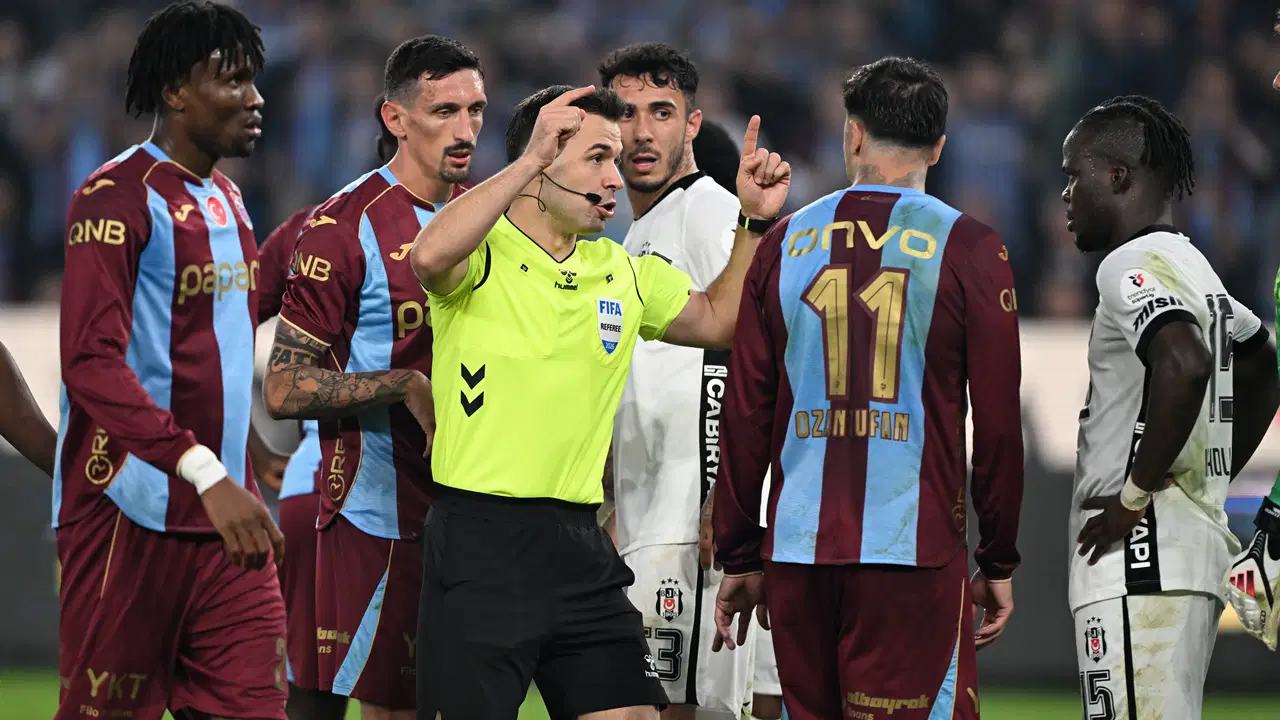
On October 20, 2026, the Trabzonspor-Beşiktaş derby in the Super Lig was a match that would be remembered for its dramatic finish and the controversial referee calls that defined it. Trabzonspor emerged victorious with a 2-0 win, a result that left both teams and their fans with much to discuss. Among the most contentious moments were the 14th and 31st minute decisions, which were analyzed by three former referees: Bülent Yıldırım, Aleks Taşçıoğlu, and Seçim Demirel. Their insights offer a unique perspective on the legality of the referee's calls and the impact they had on the match's outcome.
In the 14th minute, the match took a pivotal turn when a Trabzonspor player, Nwaiwu, was adjudged to have handled the ball. The decision was immediately controversial, with Beşiktaş fans and players questioning the referee's judgment. Bülent Yıldırım, a seasoned referee with a wealth of experience, explained the reasoning behind the call: 'Vlahovic topa vurduktan sonra Nwaiwu hamleyi yapıyor, hamle yaptıktan sonra kalkarken... Destek eli... Destek eli; düşerken, kalkarken olabilir.' Yıldırım’s analysis centered on the legality of Nwaiwu's actions, emphasizing that the player’s hand was in a natural position when he touched the ball. He further added, 'Dönerken yerden kalkarken zemine koyduğu elinin dışına küçük bir temas oldu. Bu doğal bir ele temastır, penaltı düşünülmez.'
Aleks Taşçıoğlu, another former referee, offered a different perspective. He stated, 'Bir oyuncunun bilerek oynadığı top kendi eline, koluna gelirse bu bir ihlal değil.' Taşçıoğlu’s view was that the player’s action of handling the ball was not intentional, thus not breaking the rules. Seçim Demirel, a neutral voice in the debate, added, 'Kafayla oynadığı anda kolunu da büyüterek o topun geçiş yolunu kapattı, engelledi.' Demirel’s analysis focused on the player’s intention and the impact of his actions on the flow of the game.
Trabzonspor’s 2-0 victory was a triumph that left Beşiktaş fans and players questioning the referee’s calls.
The 31st minute brought another contentious moment when a Beşiktaş player, Agbadou, was called for handling the ball. The decision was equally controversial, with Trabzonspor supporters and players questioning the referee’s judgment. Bülent Yıldırım, once again, provided his analysis: 'Doğrudan ele gelse penaltı ancak burada penaltı düşünülmez. Devam kararı doğru.' He explained that while a direct handball would be a penalty, the situation did not warrant such a call, and the referee’s decision to continue play was correct. Aleks Taşçıoğlu agreed, stating, 'Nwaiwu'nun baldırından seken top doğal konumdaki destek eline temas ediyor. Herhangi bir ihlal yok.' Taşçıoğlu’s analysis was that the ball naturally touched the player’s hand, which did not constitute a foul.
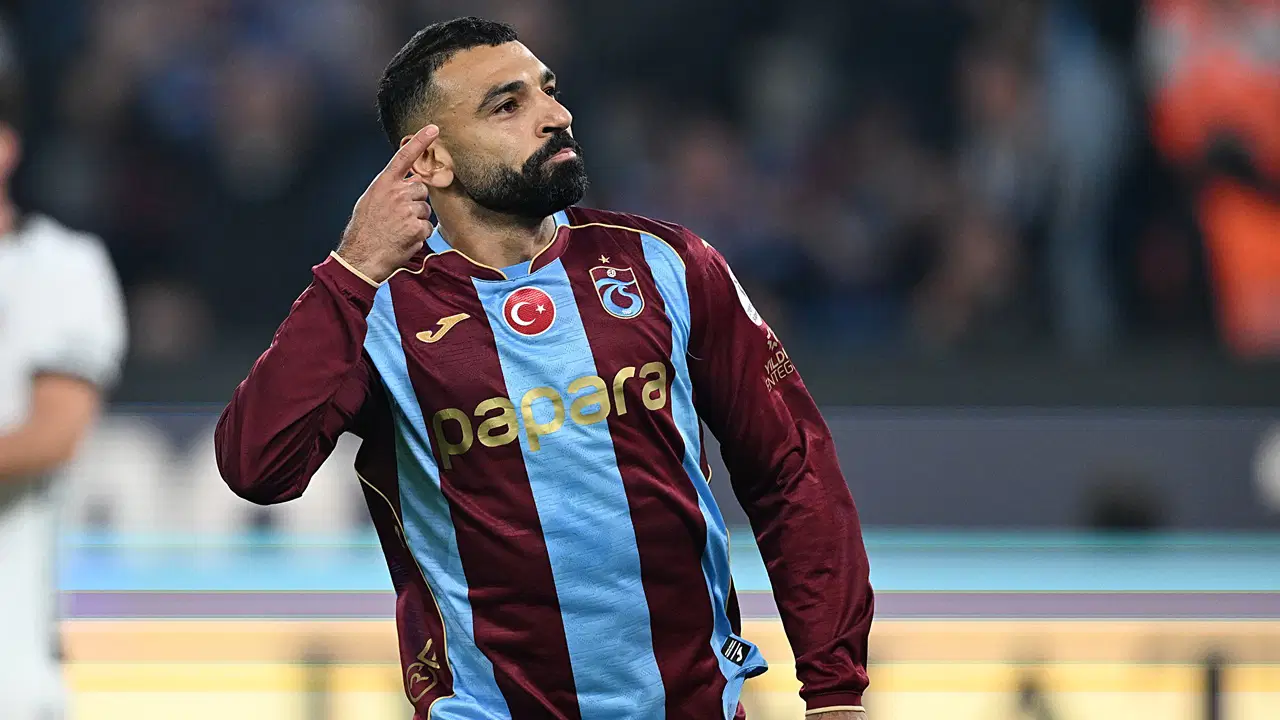
The controversial decisions had a significant impact on the match’s outcome. Trabzonspor’s 2-0 victory was a triumph that left Beşiktaş fans and players questioning the referee’s calls. Uğur Meleke, a sports journalist, commented, 'Trabzon oyunundaki en büyük dönüşüm, topun artık gereksiz havaya kalkmaması.' Meleke’s observation highlighted how the referee’s decisions had altered the flow of the game, favoring Trabzonspor. Cemal Ersen, another journalist, noted, 'Trabzonspor'la Mohamed Salah'ın rolünü ele aldı.' Ersen’s analysis focused on the strategic implications of the referee’s decisions, suggesting that they had indirectly influenced the game’s outcome.
Another contentious moment in the match was the red card issued to Miretti, a Beşiktaş player. Bülent Yıldırım, Aleks Taşçıoğlu, and Seçim Demirel provided their insights on the red card decision. Yıldırım stated, 'Sportmenliğe aykırılık var. Oyun kuralları açısından yüzde yüz sarı kart bu pozisyon.' He emphasized that the player’s actions were against the spirit of the game and warranted a red card. Taşçıoğlu added, 'Müdahale geldiğinde Cihan Aydın pozisyona çok yakın. Bakması gereken yere bakıyor. Tabanıyla ayakkabı da sınırlı kalmış ve havada. Kontrolsüz sınırlarında.' Taşçıoğlu’s analysis focused on the player’s position and the lack of control, suggesting that the red card was justified.
The match’s outcome and the controversial referee calls left both teams and their fans with much to reflect on. Trabzonspor’s 2-0 victory was a significant achievement, but the controversial decisions raised questions about the fairness and consistency of the referee’s calls. The analysis provided by the former referees offered valuable insights into the legality of the decisions, highlighting the complexities of officiating in high-stakes matches. As the dust settles on this derby, the debate continues, with fans and players alike questioning the role of the referee in shaping the outcome of the game.
The Trabzonspor-Beşiktaş derby of October 20, 2026, will be remembered for its dramatic finish and the controversial referee calls that defined it. The insights provided by three former referees offer a unique perspective on the legality of the decisions, highlighting the complexities of officiating in high-stakes matches. The match’s outcome and the controversial decisions have left both teams and their fans with much to reflect on, as the debate continues about the role of the referee in shaping the outcome of the game.