
On 27 October 2026, Piyush Goyal, India's Minister of Commerce and Industry, met with his Chinese counterpart in Yaounde, Cameroon, and in New Delhi. These meetings were part of a broader diplomatic push to strengthen trade relations between India and China. Goyal emphasized the importance of fair trade and the potential for India to become a significant exporter to China and the ASEAN region.
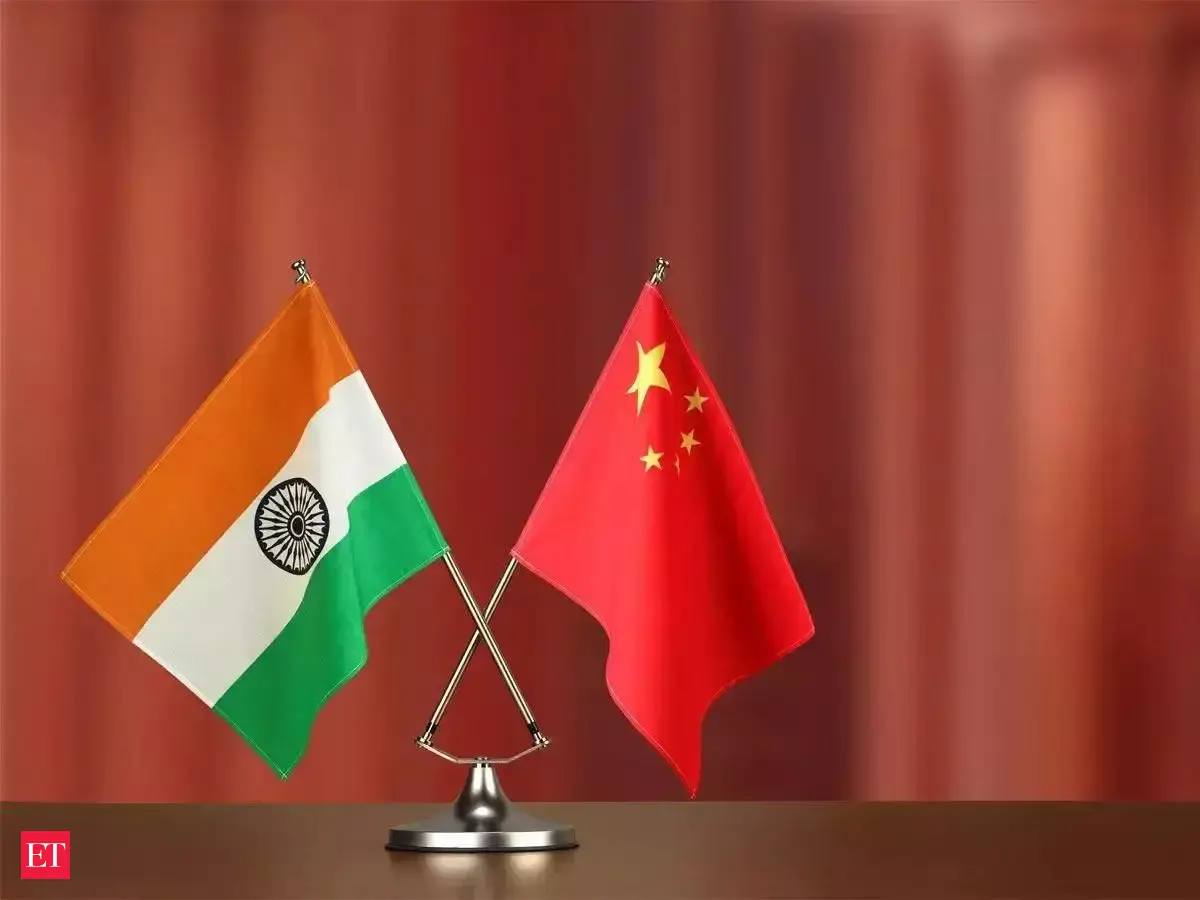
In the first half of the 2026-27 fiscal year, India-China bilateral trade surged to 91.76 billion USD, up from 71.24 billion USD in the same period the year before, marking a 29% increase. This growth highlights the potential for a stronger economic relationship between the two countries.
Goyal stated, 'We welcome suppliers to meet the growing needs of India.' This statement reflects India's openness to Chinese imports, aimed at diversifying its supply chains and meeting domestic demands. By allowing more Chinese products into its market, India hopes to secure access to goods that can bolster domestic production and maintain competitive prices for consumers.
Goyal stated, 'We welcome suppliers to meet the growing needs of India.
While China remains the focal point, Goyal expressed hope that India would become a major exporter of goods and services to both China and the ASEAN region. The minister's vision extends beyond the immediate bilateral relationship, recognizing the potential for increased trade with the ASEAN countries, which offer a vast market for Indian textiles, pharmaceuticals, and IT services.
The next steps will involve translating these high-level commitments into concrete policy measures, such as tariff adjustments and regulatory reforms, to support increased trade flows. If India can successfully navigate these challenges, it may well emerge as a major exporter of goods and services to China and the ASEAN region, reshaping the economic map of South Asia.
The journey ahead is neither simple nor guaranteed. Trade negotiations, geopolitical tensions, and domestic market dynamics will all play a role in determining how India's new strategy unfolds. However, the current trajectory, marked by record trade volumes and open invitations to foreign suppliers, signals a pragmatic approach to economic partnership and a broader ambition to become a regional trade powerhouse.