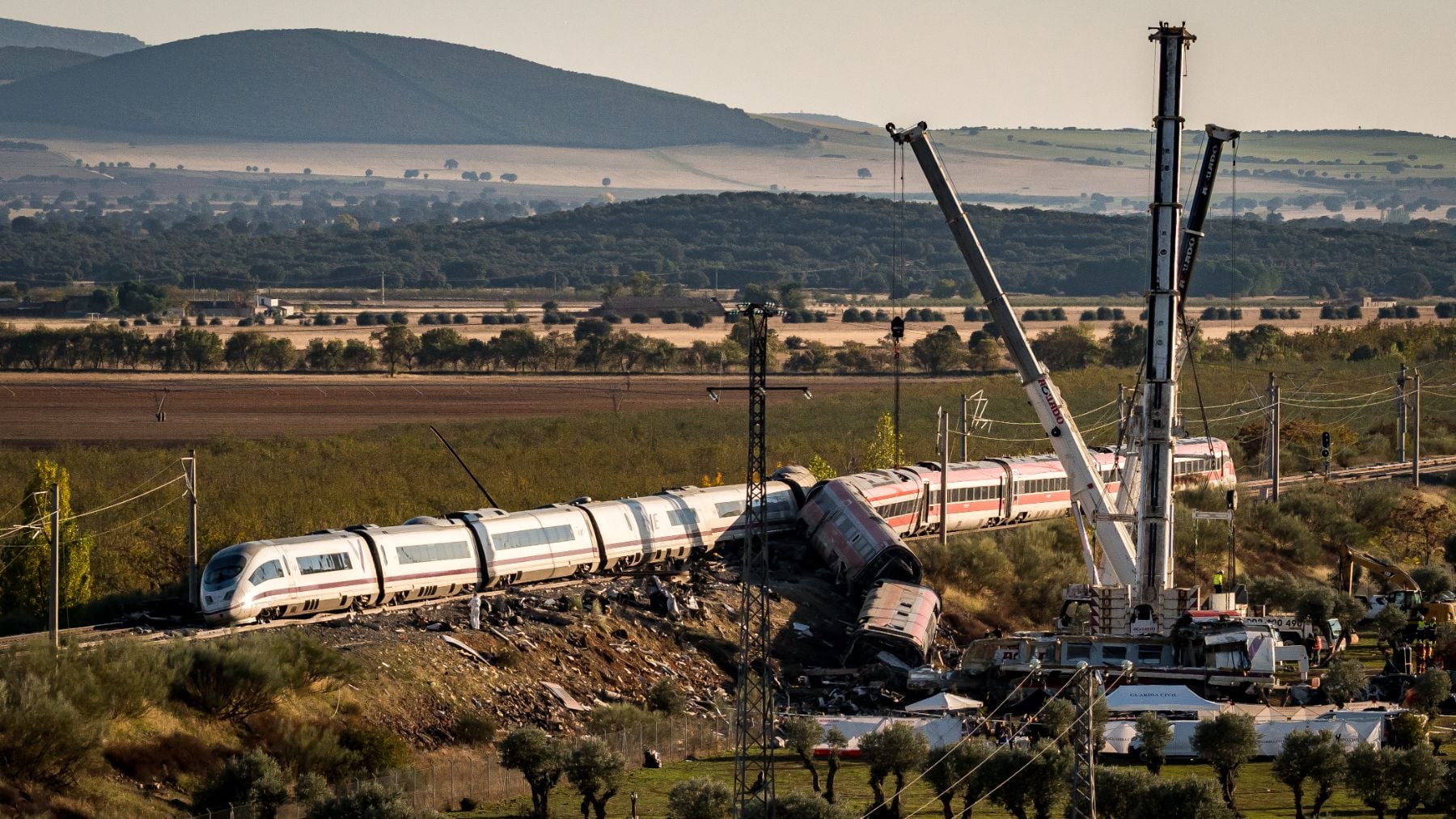
On October 30, 2026, the small Spanish town of Urda was forever changed. A train accident that claimed 69 lives sent shockwaves through the nation. The collision occurred in the early hours of the morning, when an AVE train, a high-speed train operated by Adif, resumed its journey after a system failure, colliding with a stopped Iryo train. The incident was not just a tragedy; it was a wake-up call for Spain's transportation system, sparking a debate that continues to this day.
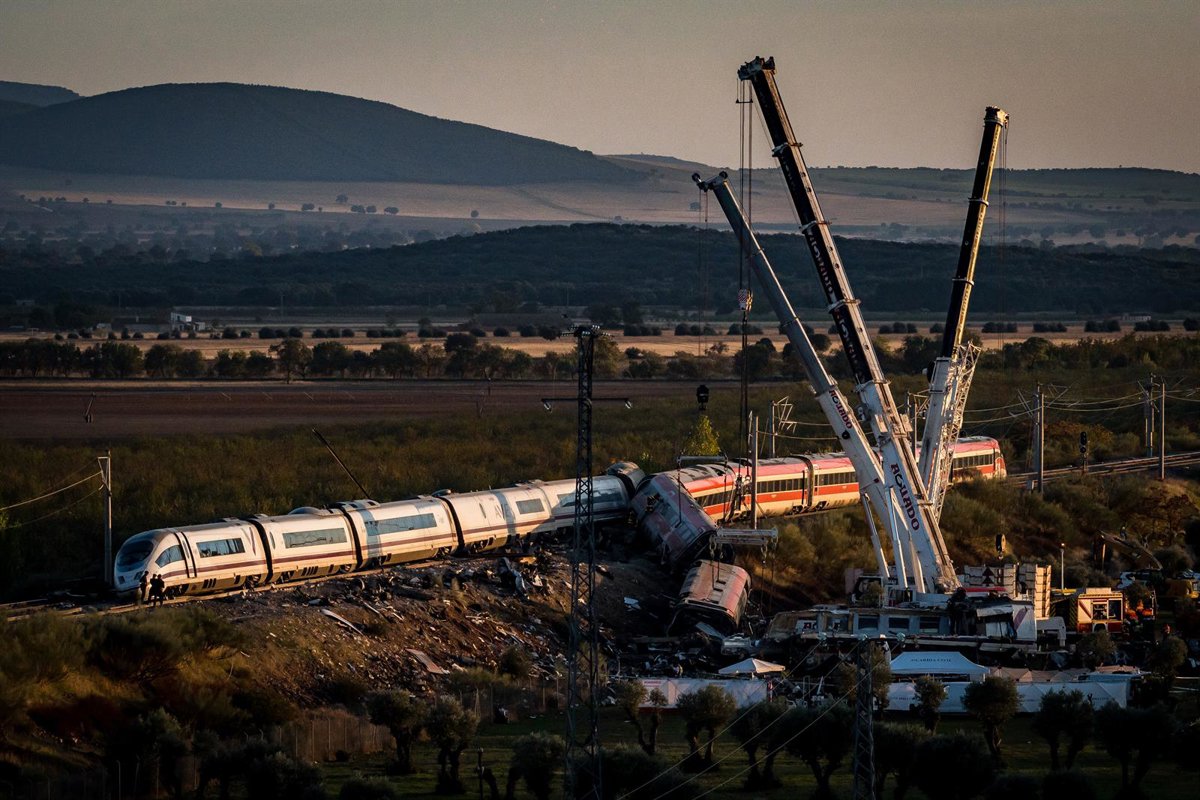
At the heart of the investigation is a worker from Adif's control center in Atocha station. This individual, whose identity remains undisclosed, gave the order for the AVE train to resume normal operations, despite the ongoing system failure. The decision led to the fatal collision. The worker, however, has refused to testify to the Guardia Civil and CIAF, complicating the investigation and raising questions about accountability.
In the immediate aftermath, the government swiftly blamed human error. In a statement, the Ministry of Transport declared that the accident was the result of a single operator's mistake. This stance was echoed by the government's spokesperson, who stated, 'We must focus on the human factor, as it is the primary cause of the accident.' However, this narrative has not gone unchallenged.
Adif consented to prolonging the old system LZB for a savings of 37 million euros.
Unions, on the other hand, have been critical of the government's approach. They argue that the accident is not just a matter of individual error but a systemic issue. José María Fernández, a spokesperson for the UGT union, said, 'We cannot ignore the conditions under which train operators work. Fatigue and pressure are real concerns that need to be addressed.' The unions have called for a thorough analysis of work organization, training, and conditions to prevent future tragedies.
In an effort to understand the technical aspects of the accident, the AITAT (Spanish Railway Safety Authority) launched a technical investigation. However, the investigation has not yet interviewed the train drivers involved. This has left many questions unanswered and has fueled the debate over the adequacy of the safety systems in place.
One of the key points of contention is the decision by Adif to extend the use of the old system LZB, which was known to be less safe than the newer systems. Adif consented to prolonging the old system LZB for a savings of 37 million euros. This decision has been criticized by unions and some safety experts, who argue that the cost of safety should not be compromised for financial savings.
The most recent development in the investigation is the refusal of the worker from the Adif control center to testify. This decision has raised concerns among both the government and the unions. The Guardia Civil has been unable to secure a statement from the worker, which has slowed the progress of the investigation. The unions are particularly critical of this development, seeing it as a sign of fatigue and pressure on train operators. José María Fernández stated, 'The worker's refusal to testify is a clear indication of the pressure and stress that train operators face. We need to ensure that they are not put in such a position.'
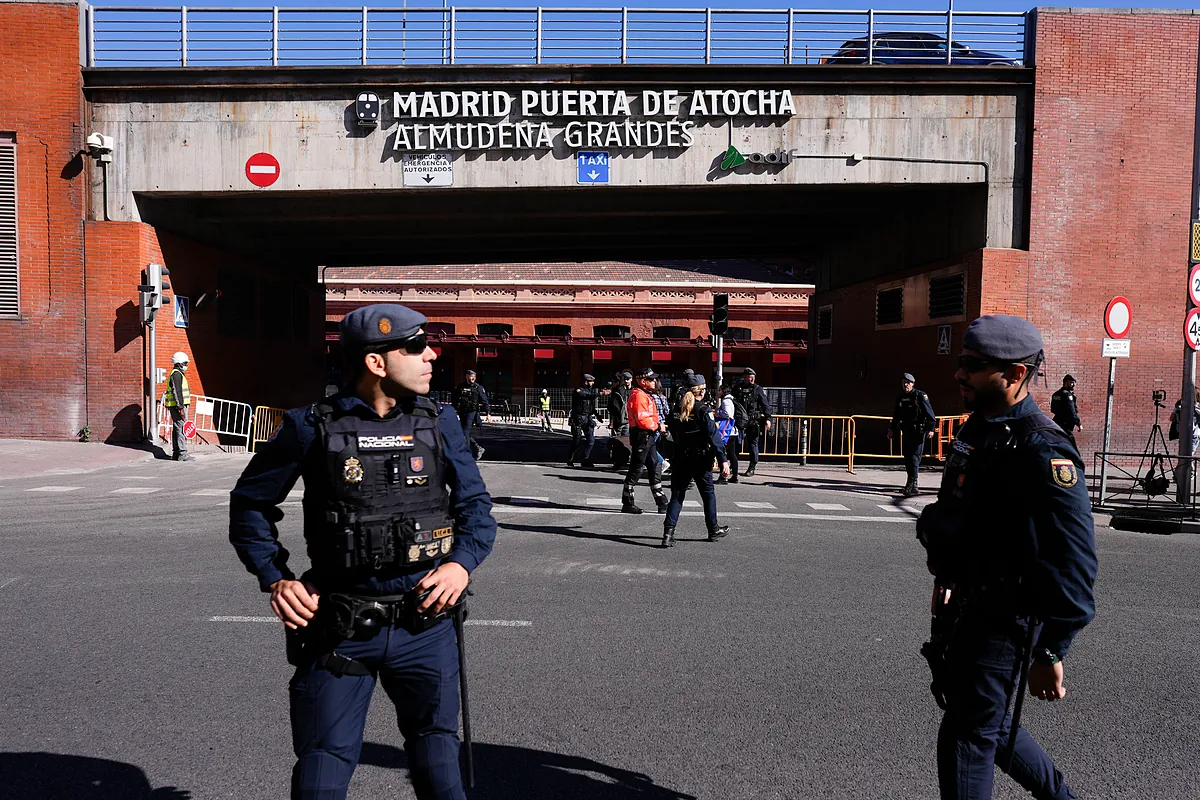
As the investigation continues, the debate over the responsibility for the accident rages on. The government maintains that the accident was a result of human error, while unions argue for a systemic evaluation. The refusal of the worker to testify has added a new layer of complexity to the investigation. The AITAT's technical investigation is ongoing, but the lack of cooperation from the key witness has left many questions unanswered.
The train accident in Urda remains a stark reminder of the challenges facing Spain's transportation system. The refusal of the worker to testify has highlighted the ongoing concerns about work conditions and the need for a thorough analysis of safety systems. As the investigation continues, the focus remains on ensuring that such a tragedy does not happen again. The story of Urda is a complex one, with no easy answers, but it serves as a powerful reminder of the importance of safety and the need for transparency in the face of tragedy.