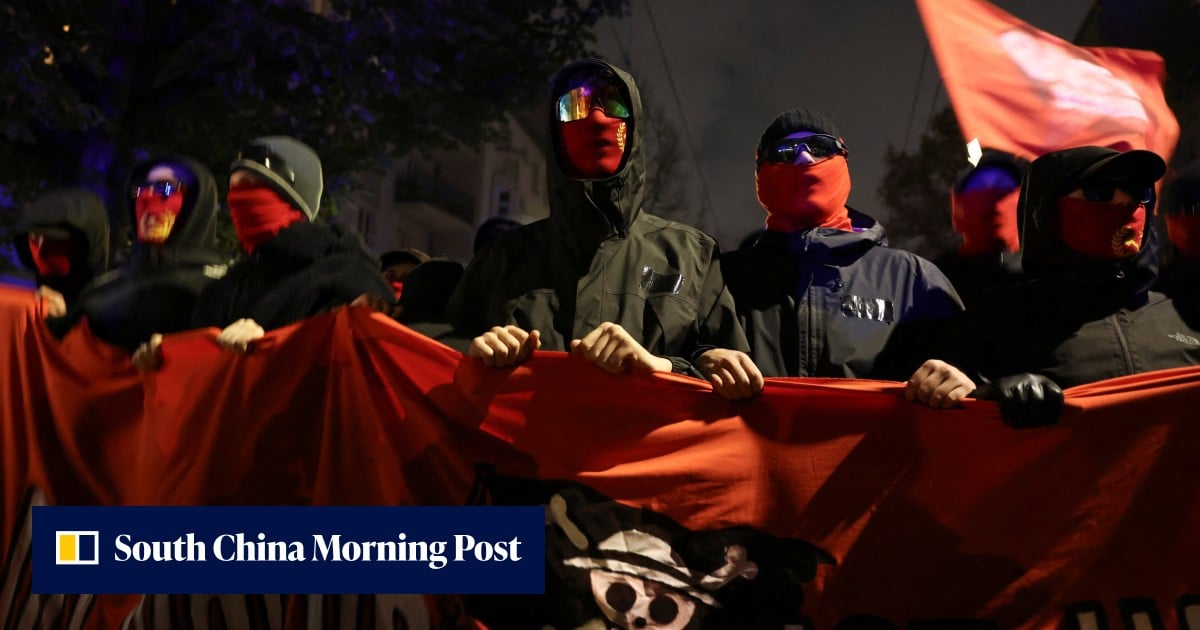
On the evening of October 31, 2026, a wave of youthful dissent surged through Germany’s urban centers. Young activists, rallying under the banner of “GenZ regelt!”, converged on streets from Berlin to Frankfurt, demanding a re‑orientation of policies they say have left their generation gasping for breath. The grievances were familiar: soaring living costs, mounting military expenditures, and a perception that the government was deaf to the concerns of its youngest citizens.
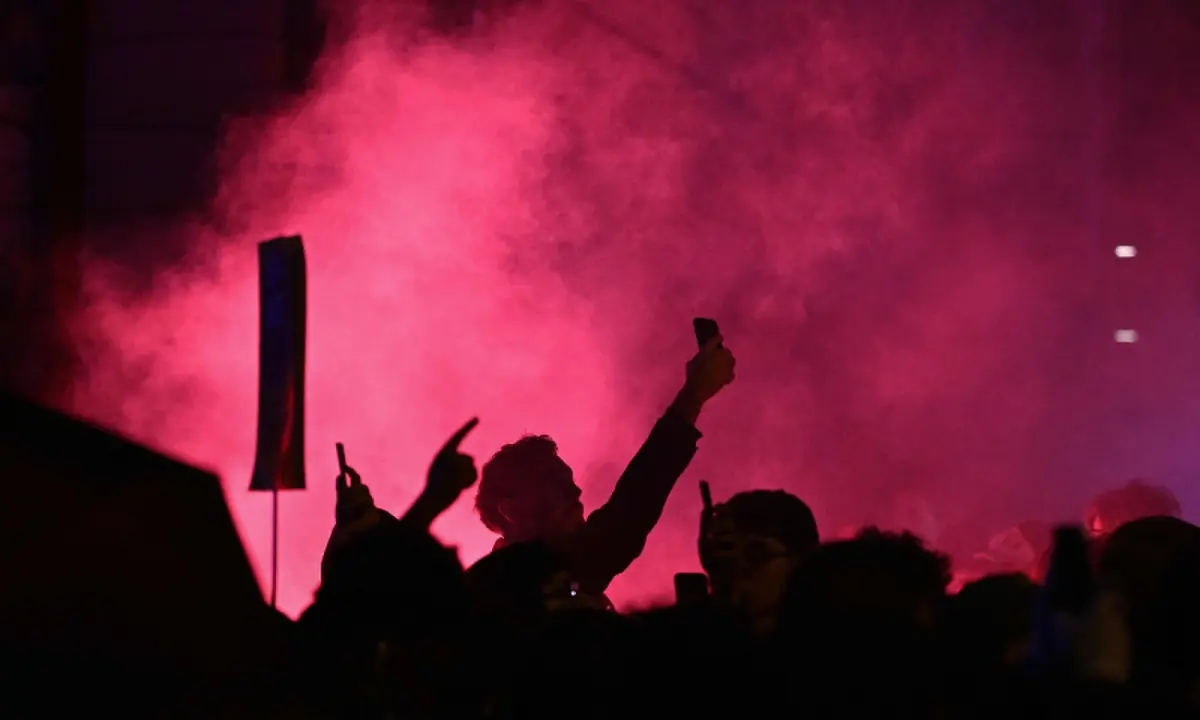
The protests began with a chorus of chants and placards, a largely peaceful tableau that mirrored similar movements sweeping across Europe. Yet, as the night deepened, the atmosphere shifted. In Frankfurt, a city that had initially hosted a calm demonstration, the crowd’s tone hardened. Demonstrators began hurling stones and bottles at police lines, and the air was punctuated by the sharp crack of fireworks. The sudden escalation underscored a widening gap between the protesters’ stated aims and the tactics some participants employed.

🇩🇪 This is Berlin, Germany. Happening tonight. Totally nuts. Writer: Oliver https://t.co/O2GMHDCPeL
Faced with a torrent of projectiles and the threat of fire, German police escalated their tactics. In multiple cities, officers turned to water cannons—high‑pressure streams capable of dispersing crowds and dousing incendiary devices.
Second, Germany’s defense budget, swelling in response to broader geopolitical tensions, was seen as diverting resources from social programs.
The GenZ regelt! movement’s platform coalesced around three core complaints. First, the cost of living—particularly housing and energy prices—had surged to levels that many young adults deemed unsustainable. Second, Germany’s defense budget, swelling in response to broader geopolitical tensions, was seen as diverting resources from social programs. Finally, a broader sense of political marginalization pervaded: young people felt that policy decisions were made without meaningful input from the generation that would inherit their outcomes. These issues resonated not only in Germany but across the continent, where parallel youth‑led protests have been gaining momentum.

This is Berlin right now. I’m exhausted of repeating the same news over and over again. But we can never accept this as our new reality. We can’t normalize it. https://t.co/h5txTPzK9I
Across the affected cities, the pattern was consistent. Demonstrators gathered in public squares, their signs emblazoned with slogans calling for economic justice and a re‑evaluation of military spending. As police lines formed, some participants began throwing stones, bottles, and other objects. In several locales, small fires were ignited—whether from improvised incendiaries or the fireworks themselves—prompting officers to respond with water cannons to both disperse the crowd and extinguish the flames. The visual of bright water jets cutting through night‑time darkness became a defining image of the October 31 unrest.
The German protests did not emerge in isolation. Activists cited movements in neighboring countries that had similarly mobilized around cost‑of‑living concerns and anti‑militarism. While each national context carried its own nuances, the shared language of generational equity and fiscal responsibility created a trans‑national chorus. German authorities, aware of this ripple effect, framed their response as a necessary measure to maintain public order, while critics warned that heavy‑handed tactics could inflame rather than quell dissent.
The episode left observers watching closely: would the government engage with the demands, or would further confrontations become the norm?
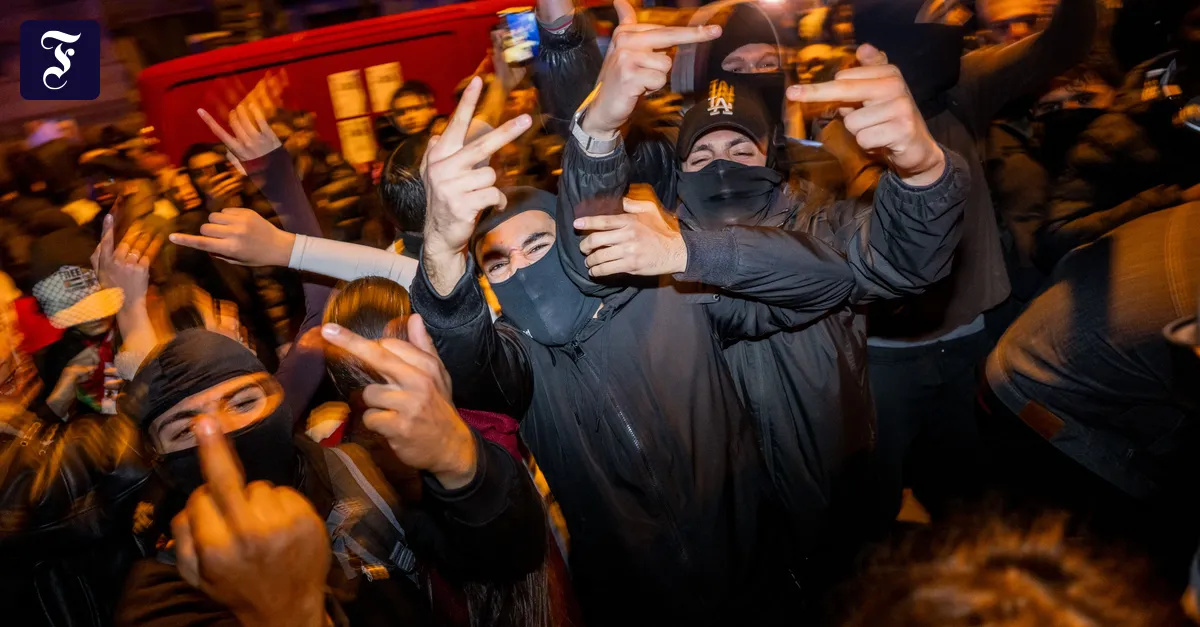
The story of October 31, 2026, thus stands as a vivid illustration of a generation demanding to be heard, and a state grappling with how to balance order and dissent in an era of heightened youthful activism.