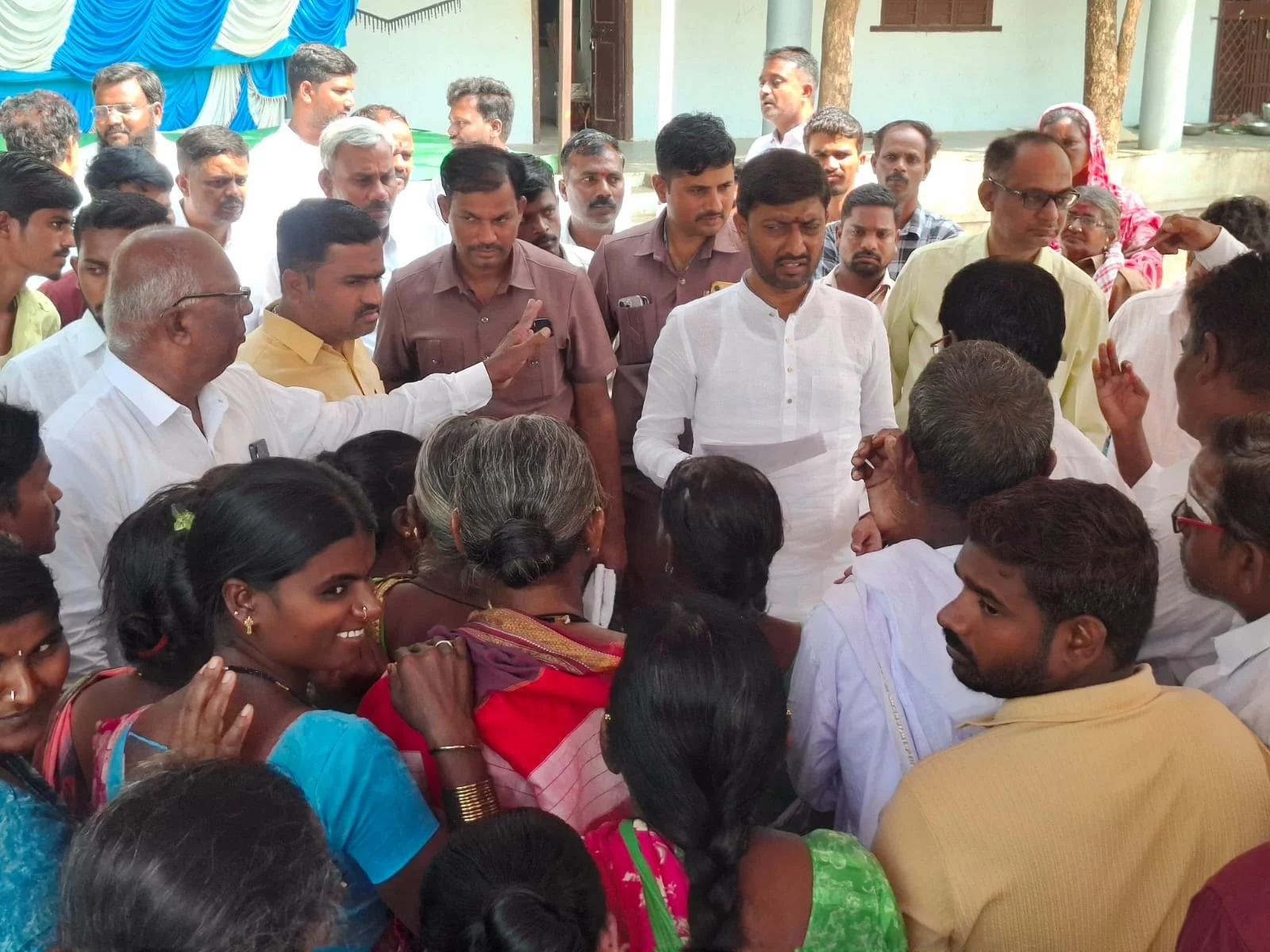
For the residents of Sadestaranali, a village nestled within Pune’s Hadapsar area, the most fundamental requirement of human life has become a daily exercise in scarcity. In an urbanizing landscape where water is often taken for granted, the people of Sadestaranali exist in a state of chronic deficit. The crisis is not merely one of convenience, but of basic survival, as the community finds itself trapped in a gap between what the municipal administration provides and what a population of this size actually requires to function.
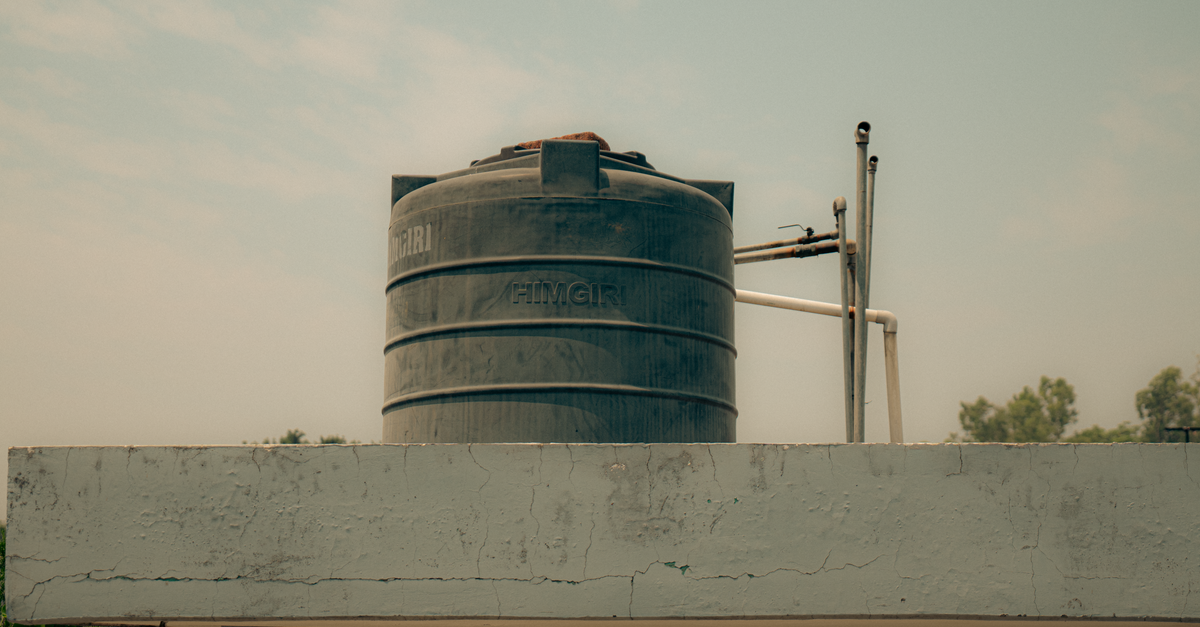
To understand the scale of the shortage is to look at the numbers, which reveal a staggering disparity. The municipal administration currently provides only a fraction of the water needed daily to the village. On the surface, that may sound like a significant volume, but when spread across the population, the math collapses. The actual daily requirement for a population of this magnitude is estimated to be significantly higher than the current supply. The current supply is not just insufficient; it is a fraction of the minimum necessary to sustain the community, leaving the vast majority of the population in a state of perpetual thirst.

Pune Water Crisis: Shiv Sena Stages ‘Handa Morcha’ at PMC Over Hadapsar Water Shortage https://t.co/CRAznNZTXx
This scarcity is compounded by a bitter irony regarding the social contract between the citizen and the state. On a recent date, as residents were voicing their desperate need for increased water supply, the municipality continued its routine collection of taxes and water charges. For the people of Sadestaranali, this creates a profound sense of injustice. They are fulfilling their obligations as taxpayers, paying into a system that they argue has fundamentally failed to provide the very service those taxes are meant to fund. The act of paying for water that does not arrive has transformed a logistical failure into a political grievance.
To secure drinking water, families must turn to private tankers, shifting the burden of procurement from the public sector to the individual's pocket.
When the municipal taps run dry, the residents are forced into a precarious reliance on the private market. To secure drinking water, families must turn to private tankers, shifting the burden of procurement from the public sector to the individual's pocket. This reliance on private vendors is not a choice but a necessity for survival. It creates a tiered system of access where water is no longer a public utility but a commodity that must be purchased at a premium, further straining the resources of a community already struggling with systemic neglect.

The Hadapsar Canal has turned into a garbage dumping spot, leaving nearby residents worried about foul smell, mosquitoes and possible health risks. People living in the area say plastic waste, stagnant water and algae have made the canal highly polluted, and they are demanding immediate action from the Pune Municipal Corporation (PMC) to clean it and stop illegal dumping. Residents, including Kunal Shirodkar and Harshal Patil, said the condition has become worse after the water flow stopped. PMC official Keshav Lathave said the reduced water level is due to the Irrigation Department stopping water supply because of the delayed monsoon and water shortage. Residents are now urging authorities to restore water flow, remove the garbage and take strict action against those dumping waste illegally. #Hadapsar #Pune #SwachhPune #Environment #Punetimesmirror
In response to this systemic failure, the community has moved from quiet desperation to organized resistance. The Sadestaranali Nagarik Kriti Samiti, a citizen action committee, has emerged as the primary voice for the village, supported by local social workers who have taken the lead in navigating the bureaucracy. The Samiti has transformed the individual struggle for water into a collective demand for dignity, arguing that the current state of affairs is unsustainable and that the municipal administration's inaction is no longer acceptable.
At the heart of the conflict is a demand for equity. Residents of Sadestaranali argue that they are being treated as second-class citizens compared to other parts of Pune city. While other neighborhoods enjoy the infrastructure and reliability of the city's water network, Sadestaranali remains an outlier of deprivation. This sense of geographic inequality has fueled the fire of the protest, as the community demands equal treatment and a standard of living that matches the rest of the municipality.

The residents of Hadapsar, Pune, India are facing a severe water shortage and have demanded that the Pune Municipal Corporation (PMC) stop charging water tax in the property tax bills. #SaudaGhar #SaudaGharScoop #newsupdate #punenews #pune #india #property #tax #water #housing https://t.co/sMjo1vpDTq
The Sadestaranali Nagarik Kriti Samiti has now issued a clear set of demands to the authorities. While the long-term goal is to reach the required daily water supply, the immediate priority is a surge in allocation to a significantly increased amount daily. Until a permanent infrastructure solution is implemented, the committee is demanding the provision of temporary water tankers to bridge the gap. The tone has shifted from request to ultimatum; the committee has hinted that if these demands are not met promptly, the community will move beyond petitions and toward active protests to force the administration's hand.