
For the farmers and foresters of the American Northeast, the weight of international trade policy is not felt in abstract economic charts, but in the literal cost of doing business. In Maine and Michigan, where the borders are porous and the economies are deeply intertwined with their northern neighbor, the recent surge in trade barriers has felt less like a policy tool and more like a direct threat to survival. Now, a sudden shift in the administration's stance suggests that the political cost of a trade war may finally be outweighing its perceived benefits.
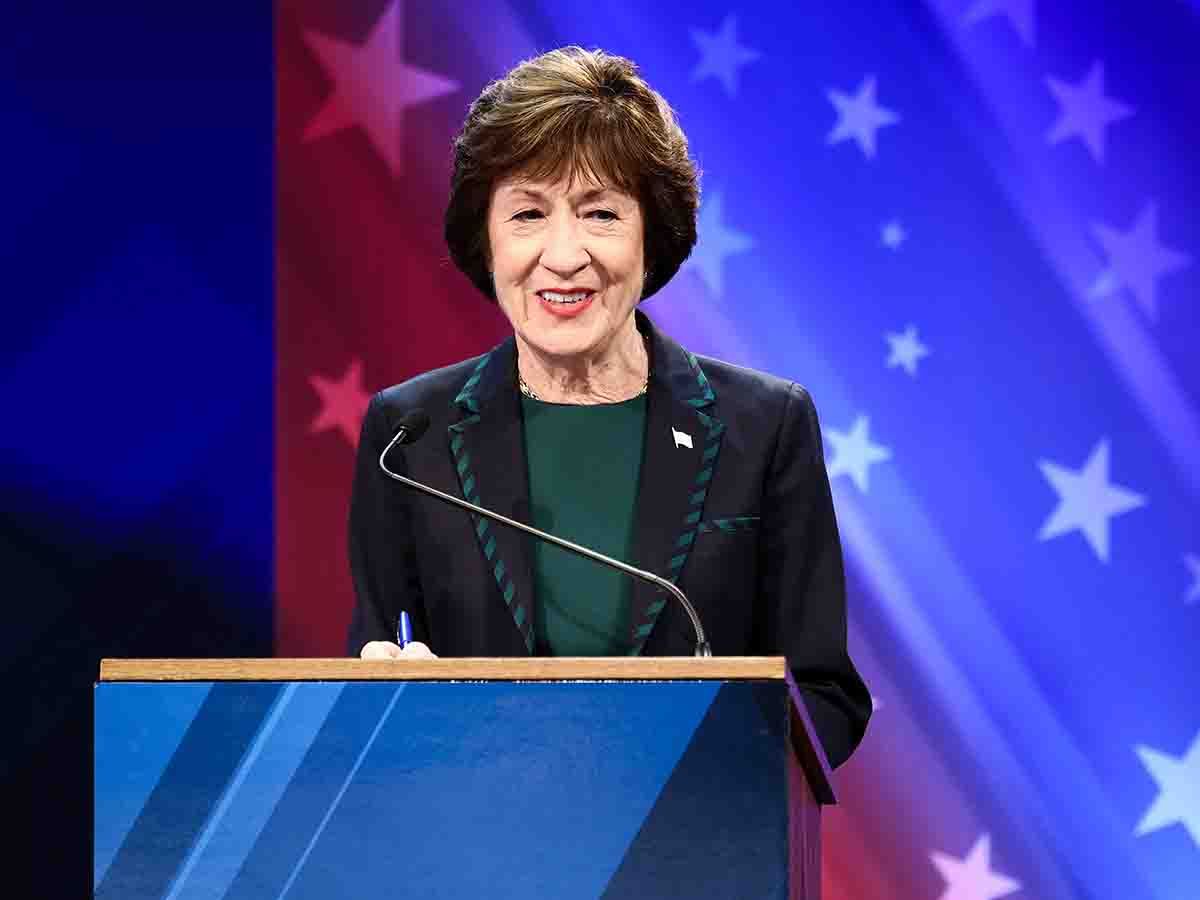
On October 23, 2026, the landscape of North American trade shifted. Senator Susan Collins announced that the Trump administration has granted tariff exemptions on a variety of Canadian products, a move that offers immediate relief to specific sectors. This decision targets the 50% duties that have been weighing heavily on certain agricultural and forestry items. The exemptions are expected to cover a range of goods, including plastic boxes, crates, and refrigeration equipment, as well as specific paper and machinery products.
For the rural and coastal economies of states like Maine, these exemptions are more than just line items in a budget; they are lifelines. The relief is specifically aimed at protecting producers who rely on the seamless flow of goods across the border. By easing the burden on these essential imports, the administration is addressing a growing outcry from local businesses that have been caught in the crossfire of a broader geopolitical struggle.
Senator Collins has been a vocal advocate for the reduction of these tariffs, noting their negative impact on Maine's businesses and consumers.
To understand the significance of this pivot, one must look back at how the relationship between the United States and Canada deteriorated. In 2025, the U.S. imposed 25% tariffs on Canadian imports, citing concerns over national security and drug trafficking. While there were periods of temporary suspensions and attempts to resolve these disputes, the tension only escalated. Later that year, the administration increased tariffs on steel and aluminum to 50%.
By late August, the scale of the friction had reached a staggering level, with the U.S. levying 50% tariffs on nearly $20 billion worth of Canadian goods. The total value of Canadian products subject to these tariffs has been estimated at $28 billion. As trade negotiations broke down following the stance taken by the U.S. Trade Representative, the economic pressure on both sides of the border became a defining feature of the regional landscape.

TRUMP EXPECTED TO REMOVE SOME TARIFFS ON CANADA: WSJ
While the administration maintains a level of official neutrality regarding the timing and intent of these moves—with a White House official stating that any formal announcement would come directly from the administration—the political subtext is difficult to ignore. The timing of these exemptions coincides with the pressure of upcoming midterm elections, where Republican senators find themselves in a delicate position.
Senator Collins has been a vocal advocate for the reduction of these tariffs, noting their negative impact on Maine's businesses and consumers. Her success in securing these exemptions is being viewed by many as an implicit acknowledgment that the administration's aggressive trade policy could potentially hurt Republican candidates in key regions. In states like Michigan and Maine, where the connection to Canada is foundational to the economy, the ability to show results on trade is a critical electoral asset.

This shift is not an isolated occurrence within the Republican party. Other lawmakers have begun to break ranks with the administration's hardline approach. Senator Mike Rogers has called for the trade war with Canada to be "wrapped up," signaling a growing appetite for stability over confrontation.
For those on the ground, the relief is palpable. Senator Collins highlighted the specific beneficiaries of this policy shift, noting the importance of the goods involved. "I am pleased to have secured additional tariff exemptions for products crucial to Maine’s agricultural industries, including blueberry, potato, apple, and seaweed producers," she stated. The exemptions are expected to apply to certain paper, plastics, machinery, and food products, providing a much-needed buffer for the state's rural and coastal sectors.
Despite the reprieve, the underlying tension of the trade relationship remains. The exemptions represent a targeted relief rather than a total resolution of the friction that began in 2025. The move addresses specific pain points—like the 50% duties on agricultural and forestry items—but the broader framework of U.S.-Canada trade remains a complex web of security concerns and economic competition.
Senator Collins has signaled that this is not the end of her advocacy. "I have asked for tariff relief for these important products and I will continue working directly with Administration officials to seek additional relief and encourage a broader trade agreement with Canada, our neighbor, ally, and largest trading partner," she said.
As the midterm elections approach, the administration's decision to lift these 50% tariffs on specific goods serves as a high-stakes balancing act. It is an attempt to mitigate domestic economic pain and protect political interests, even as the larger questions of national security and trade dominance continue to simmer across the border.