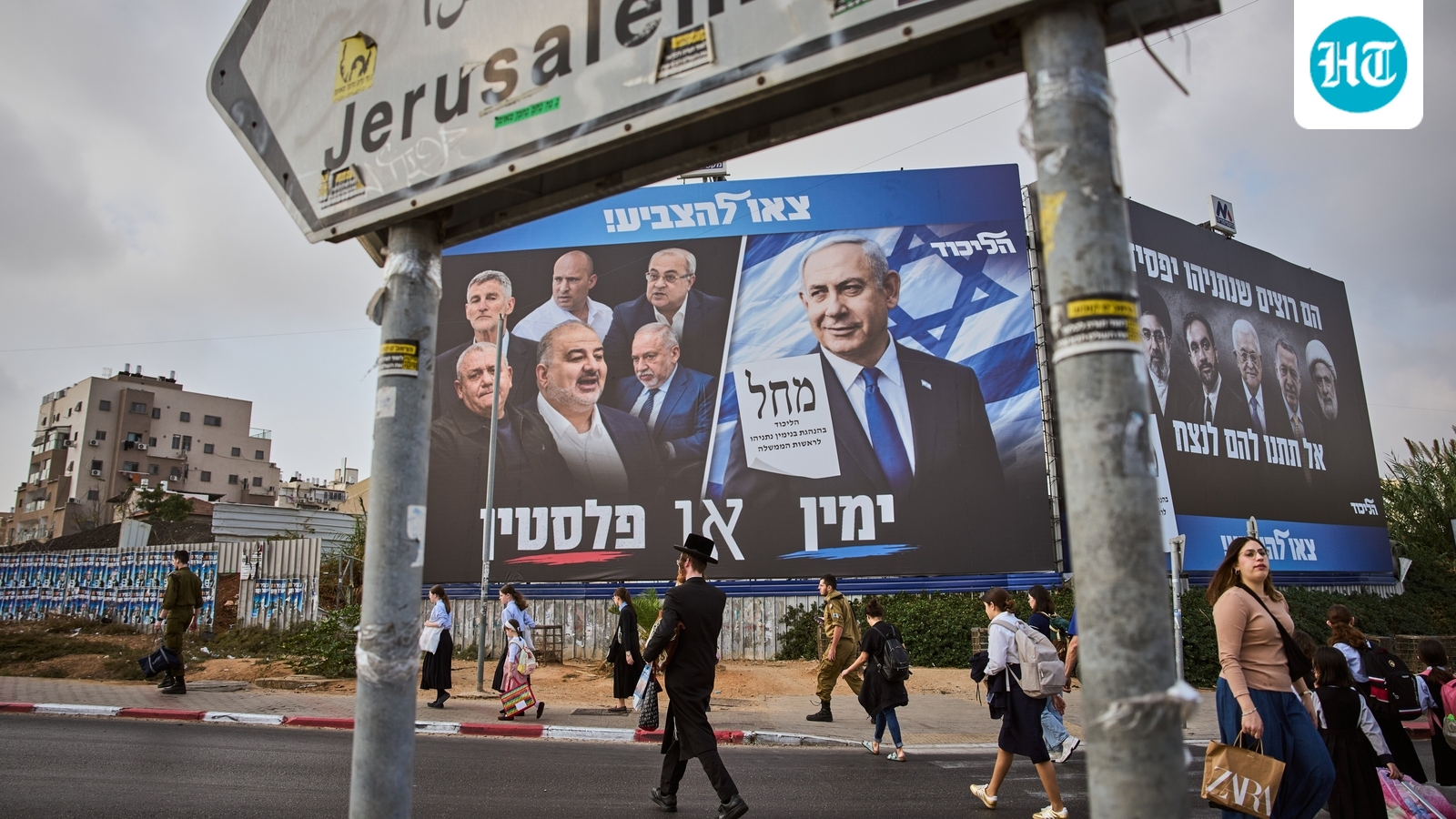
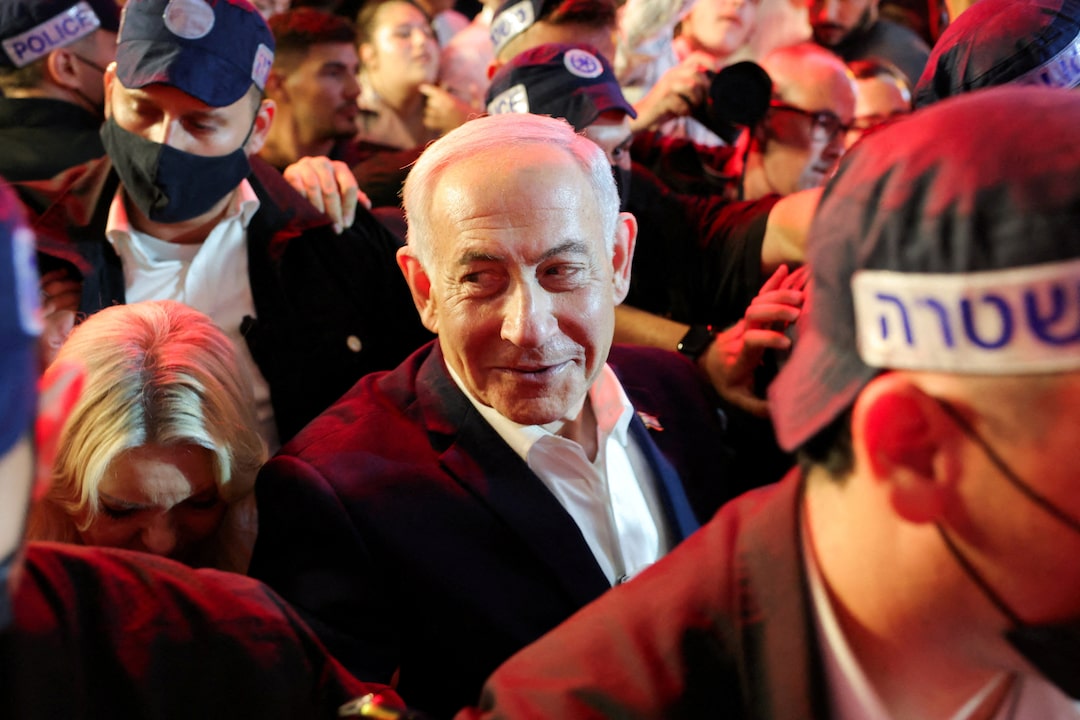
The air is thick with tension as Israelis prepare to vote in a critical election that will test Prime Minister Benjamin Netanyahu's political future. The race is tight, with Netanyahu facing off against Gadi Eisenkot, a former military chief. The election comes on the heels of a conflict with Hamas, which has left the nation reeling. The election is a direct response to the 2023 Hamas attacks, which saw the terrorist group launch a series of attacks on Israeli cities. The conflict has left the country in a state of heightened alert. The stakes are high, as the outcome could shape the direction of Israel for years to come.
The election is a direct response to the 2023 Hamas attacks, which have left a lasting impact. The conflict, which saw Hamas launch a series of attacks on Israeli cities, has raised concerns about the government's ability to protect its citizens. The attacks have highlighted the need for a stable government that can address the nation's security challenges. The election serves as a referendum on Netanyahu's leadership during this period.

Israelis vote in tense election testing Netanyahu’s grip on power https://t.co/BwfN3EuCBu
Opinion polls suggest a tight race between Netanyahu and Eisenkot. With 7.3 million eligible voters, the election committee is tasked with ensuring a fair and transparent process. The race is not just about who will win the most votes; it's about who can form a stable government. No single party is likely to win an outright majority, making coalition-building a critical part of the post-election process.
His party, Yashar, has gained traction, particularly among voters who are disillusioned with Netanyahu's leadership.
Netanyahu is campaigning vigorously for re-election, emphasizing his record on security and his ability to keep Israel safe. He faces criticism for his handling of the military conscription issue, which has led to widespread protests. Netanyahu's campaign is also focused on his judicial reform agenda, which has been a contentious issue. However, his critics see his reforms as a power grab that undermines the independence of the judiciary.

Israelis vote in tense election seen as Netanyahu referendum https://t.co/LyTQDhc3vt
Gadi Eisenkot, the former military chief, is running as a centrist candidate. His campaign is centered on a promise to bring stability and unity to Israel. Eisenkot has accused Netanyahu of fear-mongering and has called for a more balanced approach to security and foreign policy. His party, Yashar, has gained traction, particularly among voters who are disillusioned with Netanyahu's leadership. Eisenkot's campaign is a direct challenge to Netanyahu's grip on power and his ability to form a stable government.
The election is not just about who will win; it's about the challenges that could determine Netanyahu's political future. Five key issues are at play: security failures, military conscription, relations with Israel's Arab minority, judicial reform, and rising living costs. Netanyahu's critics argue that his handling of these issues has been inadequate, and that his leadership has been marked by a series of failures.

The Latest: Israelis vote in a tense election seen as a referendum on Netanyahu | LINK IN BIO https://t.co/AuHxEGCfRy
One of the most significant challenges facing Netanyahu is the perception of security failures. The 2023 Hamas attacks have left many questioning the effectiveness of Netanyahu's security policies. The attacks have highlighted the need for a more comprehensive approach to security. Eisenkot's campaign has capitalized on these concerns, promising a more balanced approach.
Another challenge is the issue of military conscription.
The election is also a referendum on Netanyahu's relationship with Israel's Arab minority. The election could be a turning point in how Israel's Arab minority is treated, with many hoping for a more inclusive and tolerant approach.
Judicial reform is another key issue. Netanyahu's controversial judicial reforms have been a source of division within the country. His critics argue that the reforms are a power grab that undermine the independence of the judiciary.
Finally, the election is about the rising cost of living. Netanyahu has faced criticism for his handling of the economy, with many arguing that his policies have failed to address the root causes of the problem.
As Israelis head to the polls, the outcome is uncertain. The election will determine not only Netanyahu's political future but also the direction of the country for years to come.