
On October 25, 2026, Brazil’s second round presidential election unfolded under a sky that seemed to hold its breath. The nation’s ballots were cast, and the numbers began to roll in: Luiz Inácio Lula da Silva, the left-wing veteran, edged past Senator Flávio Bolsonaro with 51.8% of the vote, leaving his rival with 48.2%. The margin, while not a landslide, was decisive enough to secure Lula’s return to the Brazilian presidency for a fourth term.
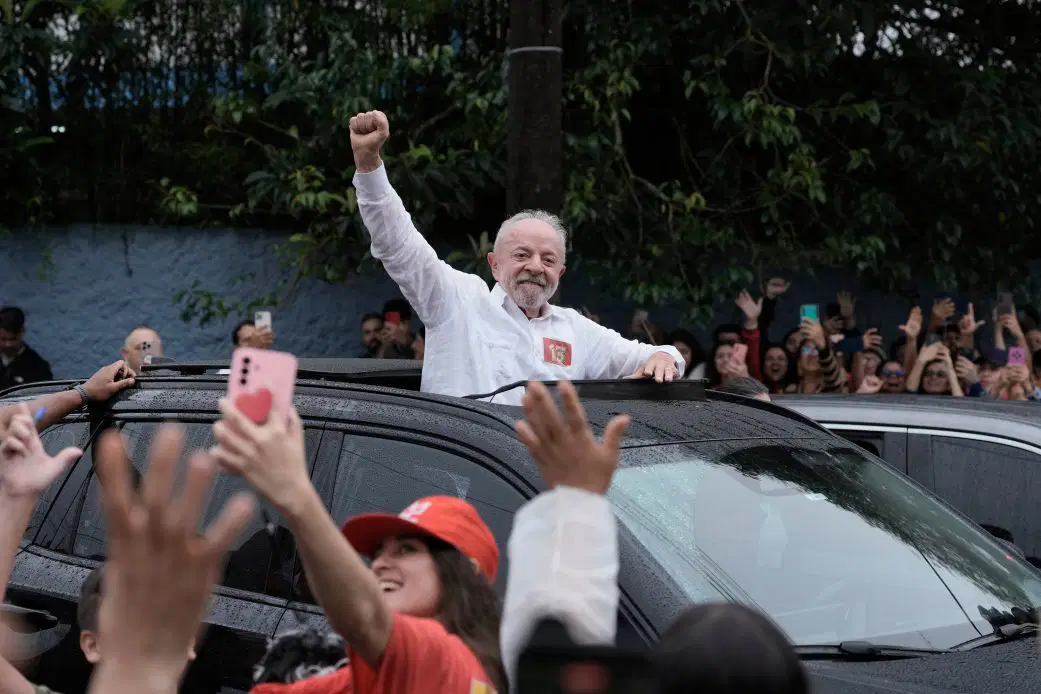
The very next day, October 26, Lula was declared the winner in a ceremony that felt both historic and fraught. In a speech that resonated across the country, he declared, "Diese Wahl war eine Niederlage für die Leugner," a stark rebuke to those who had cast doubt on his legitimacy. His words echoed in the halls of the presidential palace, a place that had witnessed the rise and fall of Brazil’s political tides.
Yet the celebration was short-lived. That same day, Bolsonaro supporters stormed the presidential palace, a dramatic flare that underscored the deep divisions still simmering beneath Brazil’s democratic surface. Meanwhile, Flávio Bolsonaro announced plans to challenge the official results through legal channels, a move that would keep the courtrooms buzzing for months.
The sentence, a stark reminder of the country’s ongoing struggle with corruption and accountability, added a layer of complexity to the nation’s political landscape.
Amid the chaos, another chapter of Brazil’s political saga closed: ex-president Jair Bolsonaro was sentenced to 27 years in prison. The sentence, a stark reminder of the country’s ongoing struggle with corruption and accountability, added a layer of complexity to the nation’s political landscape.
Lula’s return is not merely a personal triumph; it is a reclamation of a legacy that began in 2003. Now, as he steps back into the presidency for the fourth time, the weight of those earlier years presses on his shoulders.
The assembly of Brazil’s political future now listens to a new chorus. The election result has divided the country, with jubilant supporters of Lula celebrating and disappointed Bolsonaro supporters expressing anger. As the country moves forward, the echoes of the 2026 election will reverberate through policy debates, economic strategies, and the very fabric of Brazilian democracy.