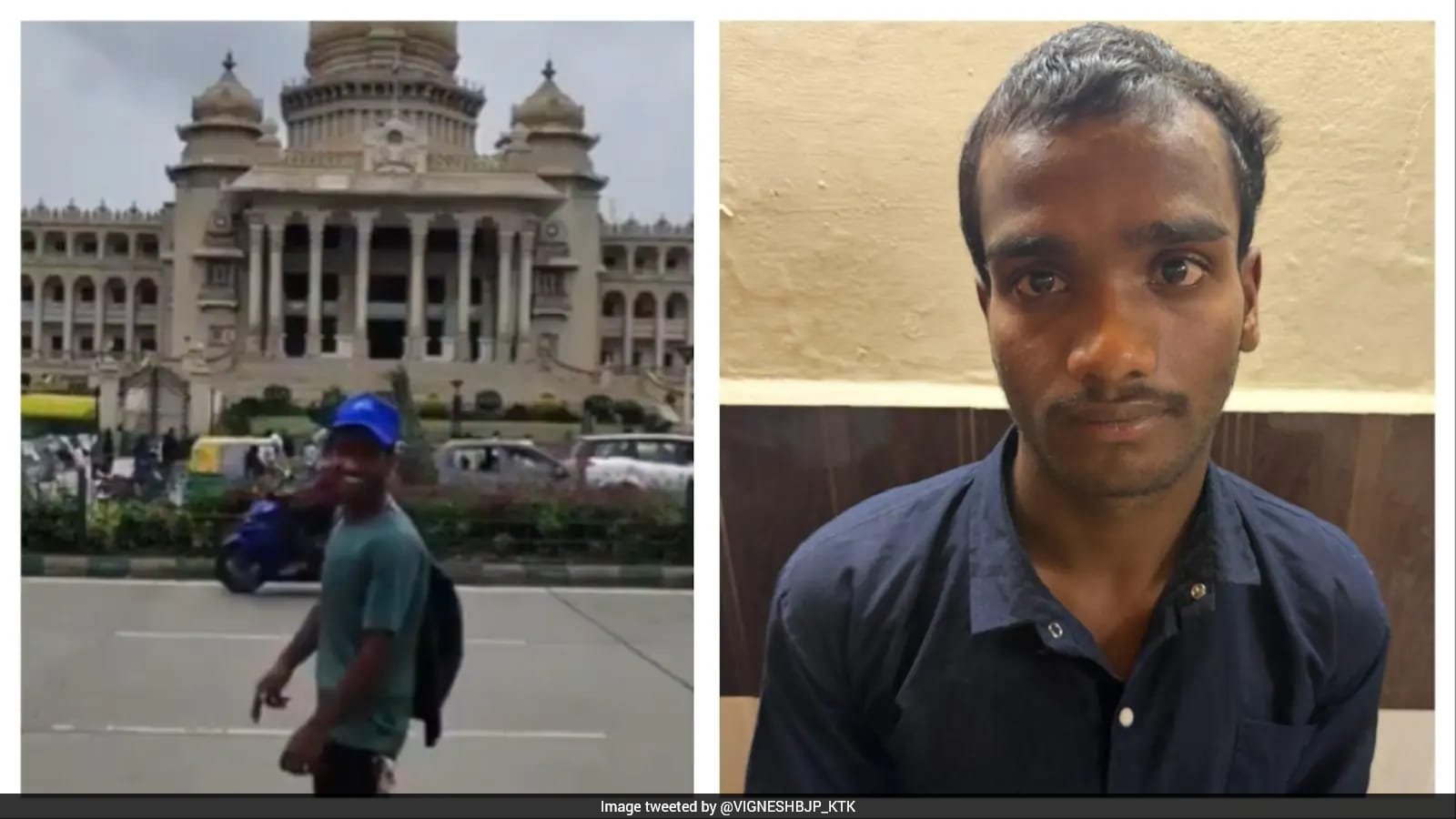
In the modern era, the line between reality and digital artifice has become dangerously porous. For most, social media is a tool for connection, but for a 25-year-old migrant worker from Bihar named Hazarat Ali, it became the stage for a high-stakes experiment in deception. On October 22, 2026, the digital landscape of Bengaluru was disrupted by a visceral, terrifying sight: a video circulating on Instagram that appeared to show a massive bomb blast tearing through the Vidhana Soudha, the iconic seat of the state legislature. The footage, while entirely fabricated, possessed the uncanny realism that only modern artificial intelligence can provide, turning a landmark of governance into a scene of simulated carnage.
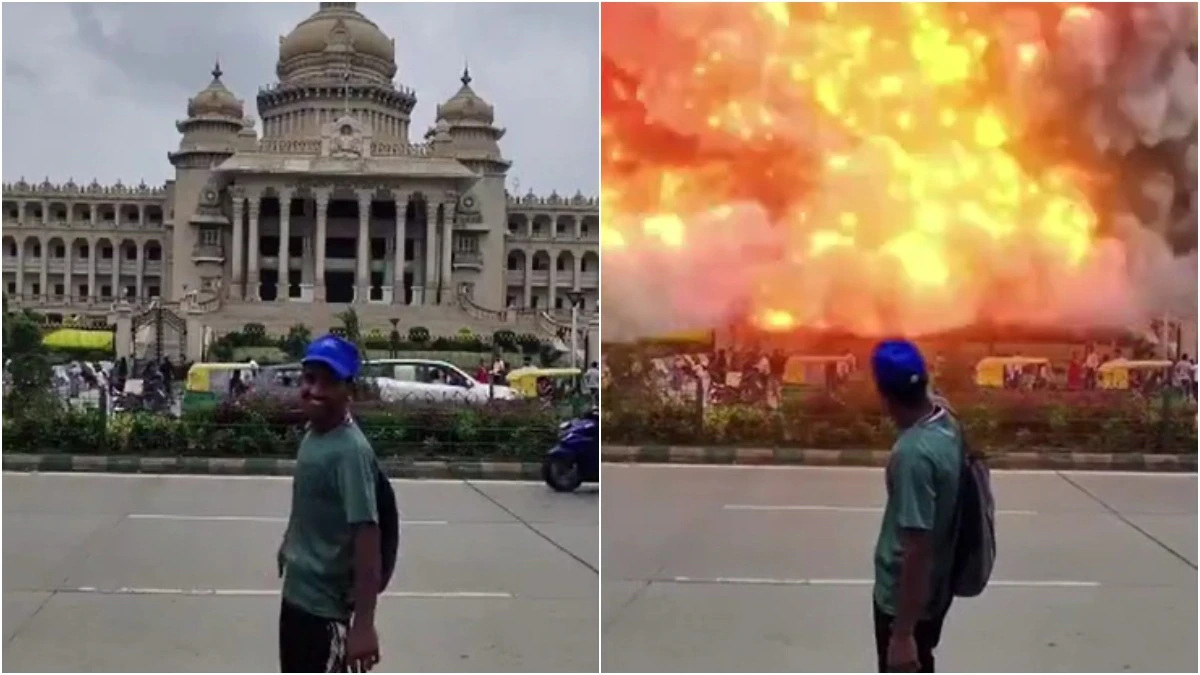
As the video began to gain traction, it triggered immediate alarm. The Vidhana Soudha is not merely a building; it is the administrative heart of Karnataka, a symbol of stability and order. To see it engulfed in flames—even in a digital rendering—is to invite panic. The speed with which the video spread across social media platforms underscored the unique threat posed by AI-generated media, where the barrier to entry for creating high-fidelity, inflammatory content has been lowered to almost nothing. While the account responsible for the upload was quickly deactivated, the damage had already been done, prompting authorities to treat the incident with the gravity of a genuine security breach.

Hazrat Ali from Bihar is arrested for posting AI video showing explosion of Vidhan Soudha. https://t.co/5omfGzLYTx
By the time the digital dust had begun to settle, the Bengaluru Police were already deep into an investigation. The anonymity that the internet promises is often an illusion, and in this case, it proved to be a fragile one. Investigators moved rapidly to identify the source of the upload, tracing the digital footprints back to Hazarat Ali. On October 21, 2026, the police initiated the process that would lead to his apprehension, and by October 22, 2026, a formal First Information Report (FIR) had been registered. The arrest of Ali was not just a response to a single video; it was a firm statement from law enforcement regarding the weaponization of technology to incite fear.
Investigators moved rapidly to identify the source of the upload, tracing the digital footprints back to Hazarat Ali.
Following the arrest, the Bengaluru Police have been forced to confront the evolving nature of public safety in the age of generative AI. The incident serves as a stark warning about the potential for malicious actors to manipulate public perception through synthetic media. Authorities have since issued a public caution, urging citizens to be wary of the misuse of AI to create threatening or misleading content. As the investigation continues, the focus has shifted toward understanding the full reach of the video and the underlying motivations that led a worker to turn his digital tools toward the destruction of public peace. The case of Hazarat Ali is likely only the beginning of a broader, more complex conversation about how societies will police the boundary between creative expression and criminal disruption in a world where seeing is no longer believing.

🚨Man identified as Hazrat Ali from Bihar arrested for sharing an AI-generated video falsely showing an explosion at Bengaluru's Vidhana Soudha https://t.co/F86Bt7YCAD