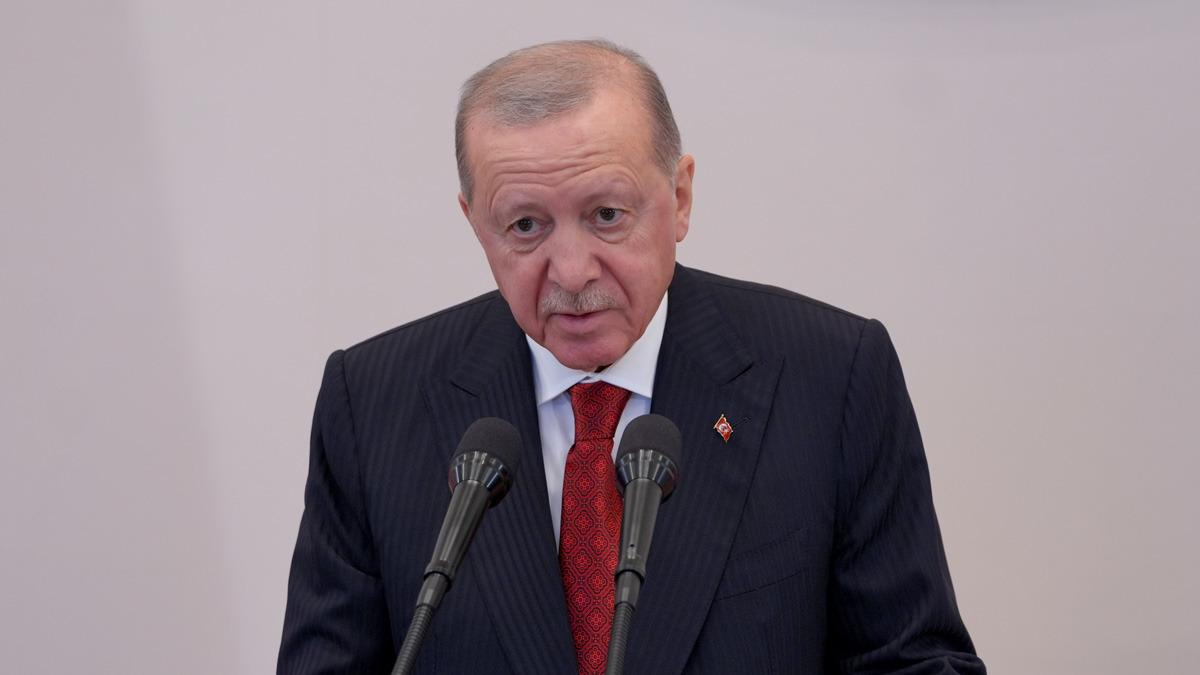
For the international community, the aftermath of the U.S. midterm elections is often a moment of uncertainty, a time to gauge how the shifting winds in Washington will impact global stability. On November 5, 2026, Turkish President Recep Tayyip Erdoğan offered his first assessment of these results, framing the outcome through the lens of regional peace. Rather than viewing the American political landscape as a distant concern, Erdoğan emphasized that the path to stability in his own geography is inextricably linked to the strength of the relationship between Ankara and Washington. He signaled a commitment to maintaining a close, constructive dialogue with both the American administration and the legislative branches—the Senate and the House of Representatives—to ensure that the two nations remain aligned on the issues that define the modern era.
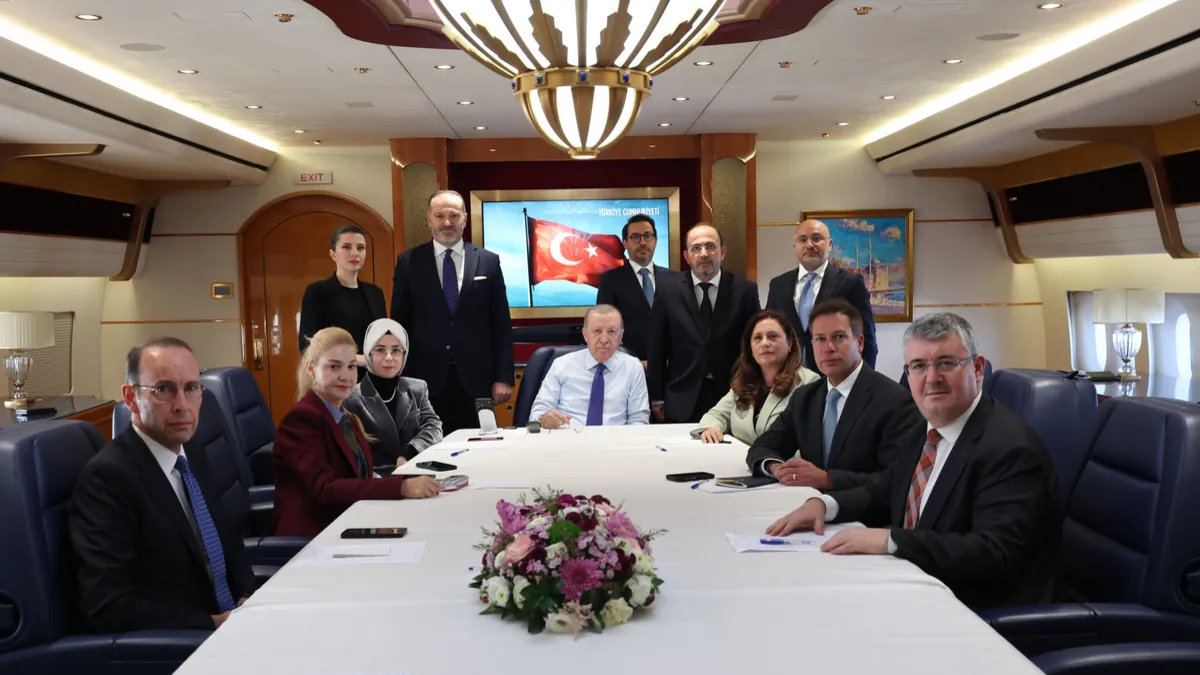
While the eyes of the world were fixed on the U.S. ballot count, President Erdoğan was physically engaged in a high-stakes diplomatic mission in South Korea. The visit served as more than just a formal exchange; it was a strategic effort to deepen the industrial and technological ties between the two nations. Central to these discussions were ambitious plans for a nuclear power plant agreement and a robust expansion of defense industry cooperation. The negotiations covered a wide spectrum of military hardware, with a particular focus on unmanned aerial vehicles (UAVs) and advanced submarine technology. This partnership is not merely about procurement; it is about integrating the industrial capacities of Turkey and South Korea to create a more resilient defense posture for both.
Beyond the hardware of defense, the visit to South Korea highlighted a clear economic objective: the expansion of trade. President Erdoğan noted that the current trade volume between Turkey and South Korea has already surpassed 11 billion dollars. However, he articulated a vision to push this figure to 15 billion dollars, grounded in a “win-win” philosophy. By prioritizing investment and trade, Erdoğan aims to transform the bilateral relationship into a cornerstone of Turkey’s broader economic strategy, ensuring that the partnership benefits both the Turkish and South Korean economies in equal measure.
On November 5, 2026, as he returned from his trip, the President addressed the ongoing efforts to find a diplomatic off-ramp for the conflict.
Perhaps the most delicate aspect of Erdoğan’s recent diplomatic activity involves his role in the Russia-Ukraine war. On November 5, 2026, as he returned from his trip, the President addressed the ongoing efforts to find a diplomatic off-ramp for the conflict. During a recent visit, Ukrainian President Volodymyr Zelensky expressed confidence in Turkey’s unique position as a mediator. Zelensky suggested that a trilateral summit, organized under the auspices of Turkey, could provide the necessary framework to move the war into a diplomatic phase. Erdoğan reaffirmed Turkey’s commitment to this cause, stating that his government is doing everything in its power to open the road to peace.
As the diplomatic calendar moves forward, the focus shifts toward the Caucasus. President Erdoğan announced a planned visit to Azerbaijan on November 8, a trip that underscores the singular nature of the relationship between the two nations. Erdoğan described the connection as transcending traditional diplomacy, rooted instead in a shared history, culture, and destiny. To prepare for this visit, he has already dispatched his intelligence chief and his Foreign Minister to Baku, ensuring that the groundwork for the discussions is laid with precision. This visit is intended to solidify the strategic steps the two nations will take together in the coming period, reinforcing a bond that Erdoğan describes as an “unbreakable” product of their joint future.
As these various threads of foreign policy converge, the underlying theme remains a desire for a world defined by order rather than chaos. Whether navigating the complexities of U.S. domestic politics, fostering industrial synergy in East Asia, or mediating the most significant conflict in Europe, President Erdoğan is positioning Turkey as a central node in the global diplomatic network. The message is clear: Turkey is not merely a spectator in the unfolding events of the 21st century, but an active participant, leveraging its influence to secure its own interests while striving for a more stable and peaceful international order.