
In the vast, complex machinery of global commodity markets, there are moments when a single nation's appetite shifts so dramatically that it sends ripples across the oceans. In October, that shift was felt in India. The country, one of the world's largest consumers of cooking oils, saw its edible oil imports surge to 1.74 million metric tons, marking the highest level of intake in more than two years. This wasn't a gradual climb; it was a sudden, decisive movement driven by a hunger for palm oil, soyoil, and sunflower oil that has caught the attention of global traders.
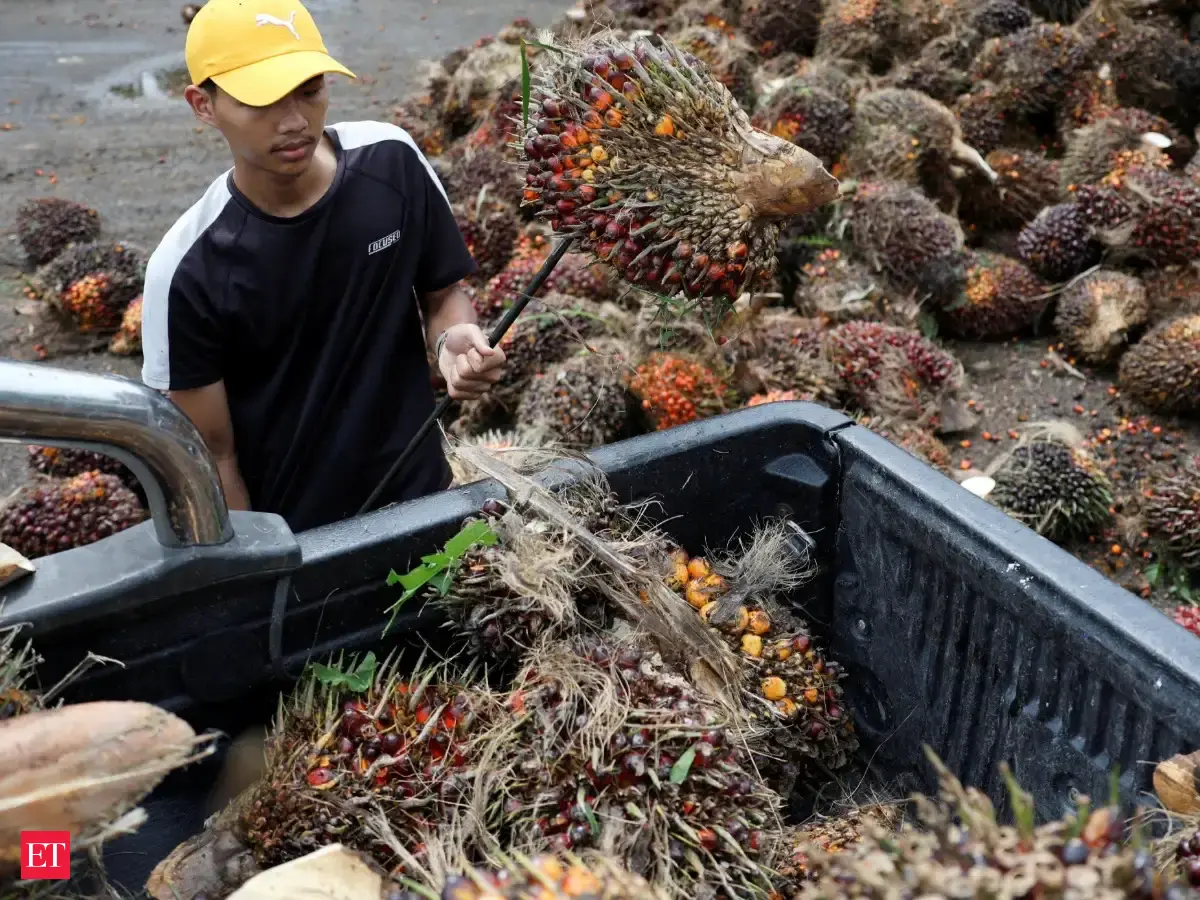
At the heart of this surge is palm oil, the most widely used vegetable oil in the world, primarily sourced from the massive plantations of Indonesia and Malaysia. In October, India's palm oil imports climbed 6% from the previous month, reaching 866,000 metric tons. This sudden influx is fueled by a combination of factors: lower prices making the commodity more attractive and a looming festive season that traditionally drives up domestic demand for cooking essentials.

“Edible oil imports rose 3% to 166.51 lakh tonnes in the 2025-26 fiscal year, driven largely by a sharp jump in duty-free imports from Nepal,” said industry body Solvent Extractors' Association of India. Imports had stood at 161.82 lakh tonnes in the prior fiscal year. https://t.co/G5ZiAm31hH
While palm oil took center stage, soyoil—an oil derived from soybeans—achieved something even more significant. In a historic move for the market, soyoil imports rose 6% month-on-month to reach an all-time peak of 653,000 metric tons. This record-breaking volume underscores a massive pivot in how Indian kitchens and food manufacturers are sourcing their fats, as the country leans heavily into soybean-based products to meet its growing needs.
The recent record highs in imports were driven significantly by lower prices.
Not all the movement was about breaking records; some was about a dramatic recovery. Sunflower oil, which had recently languished at a more than four-year low, saw its shipments undergo a sudden transformation. In October, sunflower oil shipments doubled from the previous month, climbing to 223,000 metric tons. This resurgence, alongside the rises in palm and soyoil, contributed to the overall 13% jump in total edible oil imports, creating a comprehensive upward trend across the entire sector.

STORY | India's edible oil imports rise 3 pc in FY26 on Nepal duty-free surge, industry body says India's edible oil imports rose 3 per cent to 166.51 lakh tonnes in the 2025-26 fiscal year, driven largely by a sharp jump in duty-free imports from Nepal, industry body Solvent Extractors' Association of India (SEA) said on Tuesday. READ: https://t.co/v7IzliIZU4
To understand why this surge happened so abruptly, one must look at the economics of the market. The recent record highs in imports were driven significantly by lower prices. In the world of commodities, when the cost of a vital resource drops, large-scale buyers often move to secure as much as possible. This stockpiling behavior is a rational response to the prospect of upcoming demand, particularly as the festive season approaches, a period when domestic supplies are under constant pressure.
The implications of India's massive buying spree extend far beyond its own borders. Because India is such a significant player in the global market, this surge in demand has the potential to impact global supply dynamics. Specifically, the increased appetite for palm oil could provide support for benchmark palm oil futures, as the sheer volume of shipments from Indonesia and Malaysia to India creates a tightening effect on available supply for other buyers.

Agri Business | The Solvent Extractors Association warns of potential volatility in the global edible oil market due to various geopolitical factors. https://t.co/vGNZtRzUYU
While the current data paints a clear picture of a massive import spike, the industry is now waiting for the formal verification of these trends. The Solvent Extractors' Association of India is expected to release official data soon, which will provide the definitive accounting of these October movements. For now, the numbers tell a story of a nation rapidly replenishing its reserves in anticipation of a busy season ahead.
As it stands, the landscape of Indian edible oil consumption is one of heightened activity and record-breaking volumes. With palm oil at a 14-month high and soyoil at an all-time peak, the country's reliance on international shipments from diverse origins remains a cornerstone of its food security strategy. The surge in October serves as a potent reminder of how quickly global trade flows can react to the intersection of price, season, and necessity.